Civilian casualties mount as Malian forces and allied militias strike in Ségou
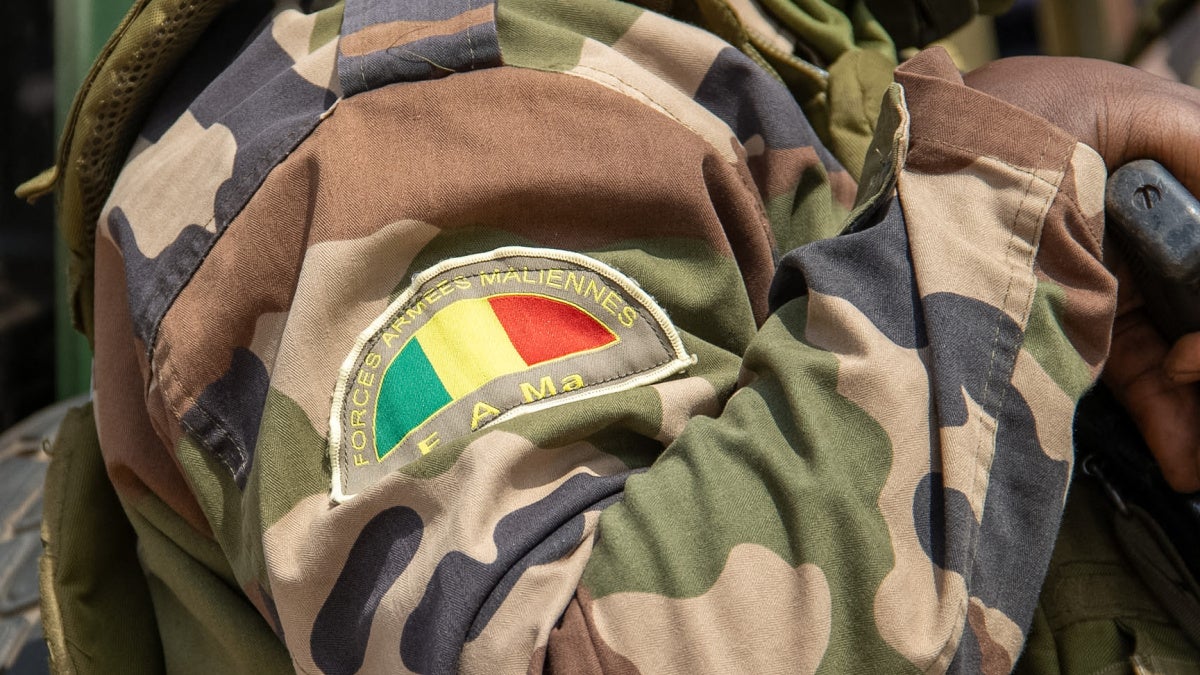
At least 31 civilians were killed and homes torched in coordinated attacks on two villages in Mali’s Ségou region earlier this month, according to local reports. The incidents occurred on October 2 and October 13, with witnesses pointing to Malian army troops and allied dozos militias as the perpetrators.
October 2 attack on Kamona: execution of villagers and property destruction
On the morning of October 2, soldiers in at least seven pickup trucks and three armored vehicles, accompanied by dozos militiamen on motorcycles, entered the village of Kamona. The dozos, predominantly from the Bambara ethnic group, have been active in counterinsurgency operations for nearly a decade. Survivors reported that Islamist militants from the Group for the Support of Islam and Muslims (GSIM) had warned villagers of the approaching forces, prompting many to flee.
Those who remained were rounded up and shot, according to one survivor who spoke to investigators. The attackers, identified by their camouflage uniforms and traditional amulets, set at least 10 homes ablaze before departing around 4 p.m. Under a tree in the village, 17 bodies were later discovered, along with four more bodies found north of Kamona. All victims were men aged 20 to 65, with some showing signs of severe trauma, including crushed skulls and multiple gunshot wounds.
A local herder, aged 40, recounted hiding in an abandoned house with his 9-year-old daughter. Upon leaving their hiding place, he found the 17 bodies, describing them as “riddled with bullets.” Another villager, aged 39, assisted in burying the dead, noting that additional victims may have been killed in nearby bushland. “We heard that at least 15 other men were killed that day,” he said. “But we didn’t go to check—we were too afraid the army would return.”
October 13 raid on Balle: civilian killings and livestock theft
Thirteen days later, Malian soldiers in five pickup trucks and dozos on at least 30 motorcycles entered the village of Balle, approximately 55 kilometers from Kamona. Witnesses described a pattern of door-to-door searches, with soldiers assaulting men and looting livestock. Ten civilians, including a 55-year-old woman, were killed, and more than 100 cattle were stolen.
A 24-year-old man recounted fleeing only after witnessing soldiers beating villagers. From his hiding place, he heard gunfire. By the time the attackers left, 10 bodies lay scattered across the village. “They were shot at close range,” he said. “Some had broken bones.” The victim’s daughter, aged 21, described her mother’s final moments. “She confronted the soldiers, accusing them of mistreating the villagers,” she said. “They took her to where the men were gathered and shot her.”
Locals stated that Balle had been under GSIM control for years, with residents paying Islamic taxes (zakat) and relying on the group to resolve disputes. “The army doesn’t distinguish between us and them,” one man explained. “They assume we’re all GSIM fighters.”
Military denies wrongdoing amid conflicting narratives
In a statement issued on October 14, Mali’s Chief of Army Staff claimed that a “defensive reconnaissance” operation near Balle had “neutralized around 20 terrorists” and seized military equipment. However, no evidence of armed clashes was found in either village, and witnesses maintained that GSIM fighters had left prior to the attacks.
The military’s claim contradicted testimonies from survivors and community leaders, who described systematic executions and property destruction.
Accountability and international response
Since 2012, Mali has been embroiled in a conflict involving government forces, Islamist militants, and allied militias. Thousands of civilians have died, and over 400,000 have been displaced. The recent escalation follows GSIM’s siege of Bamako, which cut off fuel supplies to the capital and forced authorities to temporarily close schools and universities.
International humanitarian law prohibits attacks on civilians, summary executions, and cruel treatment. Those responsible for war crimes may face prosecution under domestic or international law. While Mali withdrew from the International Criminal Court in September, it remains bound by the court’s jurisdiction until 2026. The Court has been investigating alleged war crimes in Mali since 2013.
The African Union has yet to take meaningful action despite its mandate to promote peace and security. Analysts emphasize the need for urgent regional and international coordination to address the crisis and hold perpetrators accountable.