UEMOA commits $2.2 billion to phosphate-to-fertilizer industrial revolution in Togo
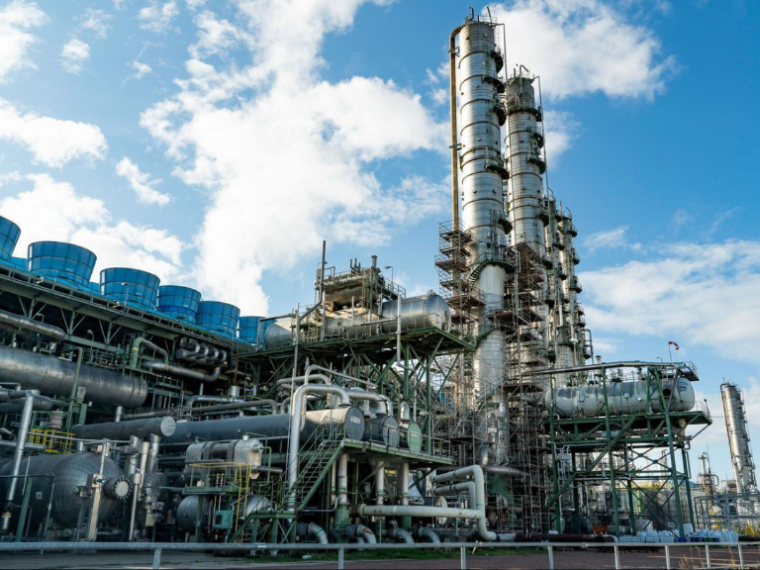
The West African Economic and Monetary Union (UEMOA) has unveiled a landmark industrialization plan worth 1,452.5 billion West African CFA francs (approximately $2.2 billion) for 2026-2030, positioning Togo as a key phosphate processing hub. This community-driven initiative aims to slash West Africa’s reliance on imported fertilizers by developing regional production capacity through strategic industrial complexes.
The program, aligned with UEMOA’s IMPACT 2030 strategic plan, represents more than just another infrastructure project—it’s a coordinated effort to transform phosphate reserves into viable economic drivers for member states. While Togo’s mineral wealth provides a natural advantage, the scheme’s success hinges on mobilizing private capital, establishing industrial ecosystems, and aligning production with regional agricultural needs.
Why Togo? Phosphate reserves meet industrial ambition
The selection of Togo as a primary site isn’t coincidental. The country boasts decades of phosphate extraction expertise and significant mineral reserves, but currently exports most of its output as raw material. This presents a major opportunity to shift toward higher-value processing and localized fertilizer manufacturing.
The transformation agenda includes:
- Value addition: Moving beyond raw phosphate exports to produce intermediate chemical components and finished fertilizers
- Industrial diversification: Building processing plants, blending units, and logistics networks
- Skills development: Training local technicians and engineers to operate new facilities
- Supply chain integration: Creating backward and forward linkages with mining, logistics, and agricultural sectors
For Togo, this represents an unprecedented chance to leverage natural resources for industrial growth rather than remaining stuck in the extractive economy trap. The ripple effects could reshape national employment patterns and stimulate supporting industries.
Funding breakdown: Public-private partnership takes center stage
The $2.2 billion investment envelope reveals a deliberate shift toward market-driven financing:
- Private sector contribution: 1,191 billion FCFA (82% of total)
- Public sector allocation: 239.5 billion FCFA (16%)
- Remaining balance: Unspecified sources (likely development partners and international financiers)
This structure signals that industrial success will depend heavily on attracting mining corporations, chemical producers, logistics firms, and financing institutions. The government’s role transforms from direct investor to facilitator, creating an enabling environment through policy frameworks, infrastructure guarantees, and investment protection mechanisms.
Regional impact: Breaking fertilizer dependence through localized production
West Africa currently faces a paradox: abundant phosphate reserves coexist with heavy fertilizer import dependency, exposing farmers to volatile global markets. UEMOA’s strategy tackles this through a dual approach:
- Geographic integration: Locating processing plants near major agricultural zones to reduce transport costs and delivery times
- Product adaptation: Developing fertilizer formulations tailored to West African soil types and crop patterns—rather than relying on generic imported products
The economic implications are substantial:
- Price stability: Reduced exposure to international market fluctuations
- Supply security: Reliable access to fertilizers during critical planting seasons
- Value retention: Keeping more of the fertilizer dollar within regional economies
- Agricultural productivity: Formulations optimized for local growing conditions
The Togo hub will serve as a template for similar projects across UEMOA’s membership, creating a network of interconnected phosphate processing centers that could eventually supply most of the region’s fertilizer needs.
From blueprint to reality: Next steps and implementation challenges
While the vision is clear, the path from concept to operational plants faces several hurdles:
1. Investment mobilization
The private sector’s expected contribution of 82% demands sophisticated financing models. Will mining companies commit to long-term processing investments? Can banks structure project finance packages for chemical plants? These questions remain open as negotiations progress.
2. Infrastructure readiness
Processing phosphate into fertilizers requires substantial infrastructure: energy supply, water access, transport links, and storage facilities. Togo’s existing ports, rail networks, and industrial zones will need upgrades to handle increased throughput.
3. Industrial ecosystem development
Creating a phosphate-to-fertilizer industry isn’t just about building one plant. It requires:
- A trained workforce across multiple technical disciplines
- Reliable suppliers of chemicals, packaging, and spare parts
- Research institutions to develop region-specific fertilizer formulations
- Regulatory frameworks for product standards and environmental compliance
4. Market development and farmer engagement
The ultimate test will be uptake among smallholder farmers. Successful regional fertilizer production must be accompanied by:
- Agronomic training programs to demonstrate product benefits
- Distribution networks reaching rural areas
- Microfinance options to help farmers access inputs
- Quality assurance systems to build trust in locally produced fertilizers
The trajectory set by UEMOA represents one of the most ambitious industrialization efforts in West Africa’s history. If successful, it could demonstrate how regional economic communities can transform natural resource endowments into sustainable industrial growth—creating jobs, reducing import dependency, and strengthening agricultural productivity across multiple countries.
Togo’s moment: Turning phosphate into economic transformation
The next five years will determine whether Togo’s phosphate reserves become a catalyst for industrialization or remain just another extractive sector success story. The difference lies in execution—creating not just another mining operation, but an entire ecosystem that processes raw materials into value-added products consumed locally and regionally.
The UEMOA program isn’t handing Togo a finished project. It’s offering an opportunity to lead a regional transformation. The country’s success will depend on its ability to:
- Attract anchor investors who can establish critical mass in processing
- Develop integrated infrastructure that serves both industrial and agricultural needs
- Build institutional capacity to manage complex industrial partnerships
- Engage stakeholders across the value chain to ensure the system works for all
One thing is certain: West Africa’s fertilizer future won’t be imported. It will be manufactured—right here in the region.