Government races to secure votes ahead of crucial budget session
With the revised budget bill facing fierce resistance from its own MPs, Senegal’s government is scrambling to salvage the legislation before a make-or-break parliamentary vote. The rejection in committee by lawmakers from the ruling party has raised alarms that the text may stall in the full chamber.
Parliamentary rebellion threatens fiscal stability
The Prime Minister, Ahmadou Al Aminou Lô, now faces a high-stakes challenge: persuading his own majority to support a budget plan amid deepening economic pressures. The loi de finances rectificative, designed to realign state finances with current realities, has hit an unexpected wall of opposition within the ruling coalition.
On October 23, the bill was rejected in committee by legislators from the Pastef party bloc, despite belonging to the same political camp as the government. The vote signals a worrying fracture that could derail the budget before it even reaches the floor for a final decision scheduled for October 27.
Why is the ruling party opposing its own budget?
Analysts point to mounting strains between political priorities and fiscal austerity. The government argues that the revised budget is essential to adapt to economic constraints, but some MPs contend that the proposed measures place an unfair burden on key social sectors.
While the exact reasons behind the committee rejection remain unclear, the episode underscores a broader tension: even majority parties cannot assume automatic support for government proposals. Lawmakers are increasingly asserting their authority to challenge executive decisions, particularly when they perceive gaps between rhetoric and policy.
Can compromise still be reached?
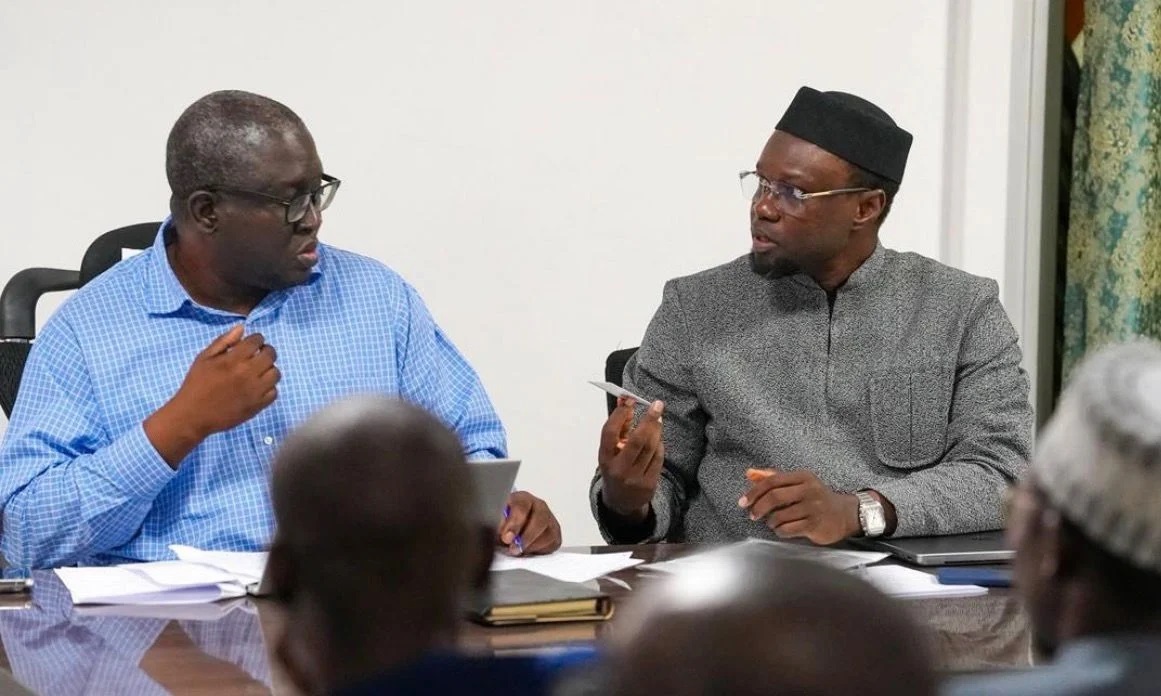
Prime Minister Lô has shifted strategy, prioritizing direct negotiations with dissenting MPs in a bid to salvage the bill. The government must now walk a delicate line—defending its financial choices while avoiding the appearance of overriding parliamentary input.
For their part, the dissident lawmakers face a strategic dilemma: oppose the bill outright and risk destabilizing fiscal planning, or negotiate amendments that could dilute the government’s core objectives. Analysts suggest that a middle ground may require concessions on non-critical allocations or revised timelines for certain reforms.
Tuesday’s vote: a test of institutional cohesion
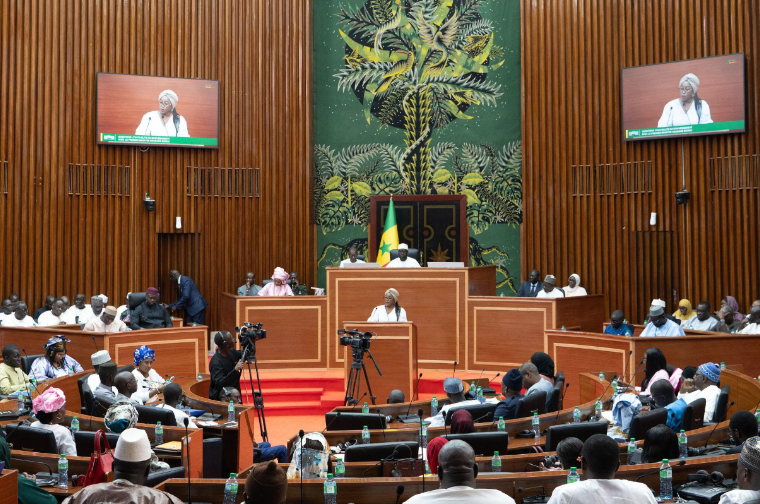
The October 27 plenary session will be the defining moment. A second rejection would signal a rare breakdown in executive-majority relations, while last-minute compromises could set a precedent for future budget negotiations.
The outcome carries broader implications beyond the current bill. It will test whether Senegal’s political institutions can reconcile majority discipline with meaningful parliamentary oversight—a balance that has grown increasingly fragile in recent months.
The road ahead: pressure mounts as deadline looms
The countdown to Tuesday’s vote has intensified pressure on all sides. The government’s survival in this budget battle may hinge less on economic arguments than on its ability to broker a political solution. Meanwhile, dissident MPs must weigh the risks of prolonged confrontation against the potential reputational damage of appearing obstructionist.
As Senegal holds its breath, one thing is clear: the revised budget’s journey through parliament has become far more than a technicality. It has become a referendum on the government’s authority—and the limits of majority loyalty.