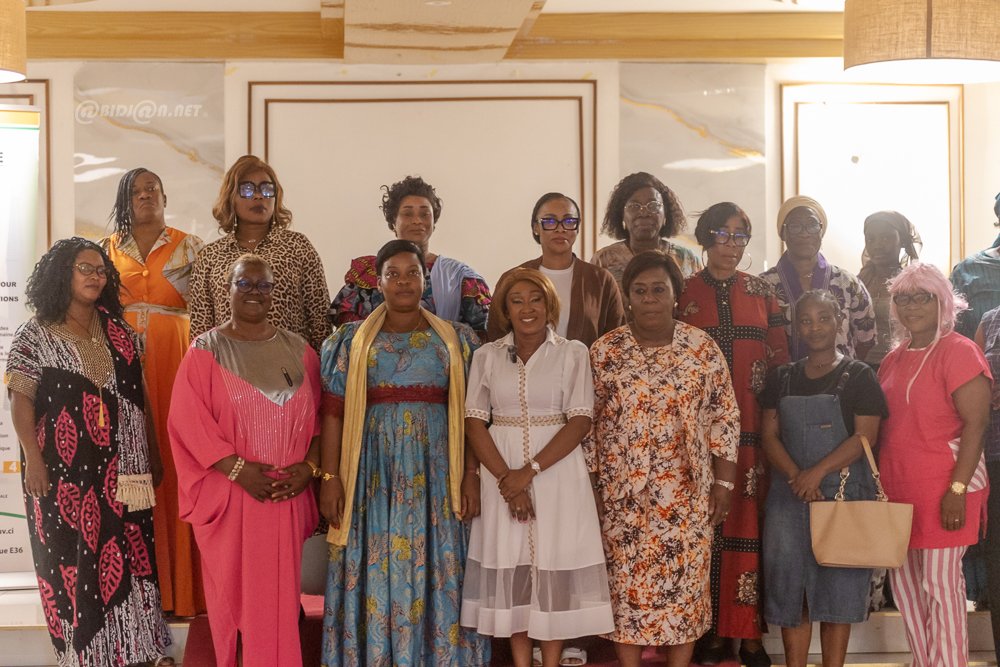
On October 24, 2026, the judicial complex in Cotonou witnessed a historic moment as 53 Afro-descendants officially received Beninese citizenship. Beyond the symbolic significance, this initiative is poised to unlock economic potential across key sectors such as tourism, investment, entrepreneurship, and trade. The challenge now lies in translating these reconnections into tangible growth for the nation.
From symbolic gesture to economic catalyst
The Beninese government’s decision to grant citizenship to Afro-descendants marks a strategic step in strengthening ties with the global African diaspora. Historically tied to the transatlantic slave trade, these communities now have a renewed opportunity to reconnect with their ancestral homeland. Yet the true value of this initiative extends beyond identity—it presents a pathway to economic revitalization.
Investment potential unlocked
A primary economic benefit lies in the diaspora’s capacity to invest. Afro-descendants residing in the United States, Canada, the Caribbean, and Europe often possess financial resources, professional expertise, and international networks. By fostering a deeper sense of belonging through citizenship, Benin could see increased capital flow into sectors such as:
- Agriculture and agro-industry
- Renewable energy
- Real estate and infrastructure
- Technology and digital innovation
- Raw material processing
Job creation, local production growth, and expanded tax revenues are realistic outcomes—provided Benin maintains a business environment that is transparent, secure, and conducive to investment.
Tourism rooted in heritage
Benin’s historical sites, particularly those tied to the slave trade in Ouidah, Abomey, and Porto-Novo, hold immense appeal for Afro-descendants seeking cultural reconnection. These tourism hotspots could witness a surge in visitors, benefiting local businesses such as:
- Hotels and guesthouses
- Guided heritage tours
- Artisan markets and craft cooperatives
- Local transportation and hospitality services
To fully capitalize on this potential, Benin must develop structured tourism packages, infrastructure, and promotional campaigns tailored to diaspora travelers. Sustainable results will require more than symbolic gestures—it demands a coordinated strategy.
Knowledge transfer and youth employment
Citizenship grants access to more than just land and resources—it opens doors for professional collaboration. Afro-descendants with expertise in healthcare, engineering, finance, or education could partner with Beninese institutions to:
- Facilitate skills training and internships for young professionals
- Launch joint ventures in high-growth sectors
- Strengthen cross-border trade connections
- Support local entrepreneurs through mentorship
For Beninese youth, these alliances could translate into better career prospects, innovation hubs, and grassroots economic empowerment.
Diplomatic and cultural dividends
The move also bolsters Benin’s international standing as a hub for African diaspora engagement. By positioning itself as a bridge between history and modernity, the country could attract:
- Cultural exchange programs
- University partnerships focused on African studies
- Collaborative research on slavery and repatriation
- Artistic and film industry co-productions
Over time, these connections could translate into stronger trade agreements, foreign direct investment, and academic alliances.
From recognition to tangible results
While the potential is clear, success hinges on proactive measures. The Beninese government must:
- Create investor-friendly policies for diaspora entrepreneurs
- Establish mentorship programs linking Afro-descendants with local startups
- Monitor and evaluate investment flows to ensure equitable benefits
- Ensure local communities directly benefit from economic spillovers
Citizenship alone does not guarantee economic transformation. It is the follow-through—strategic planning, inclusive growth, and sustained effort—that will determine whether this initiative becomes a catalyst for lasting development.
Final outlook: a bridge between past and future
The granting of citizenship to 53 Afro-descendants is more than a historical milestone—it is a test of Benin’s ability to turn cultural ties into economic momentum. By leveraging the diaspora’s skills, capital, and networks, the country stands to unlock new growth drivers. Yet the real work begins now: transforming symbolic gestures into measurable progress that uplifts every segment of society.