Civilian deaths and destruction reported in two villages amid ongoing conflict
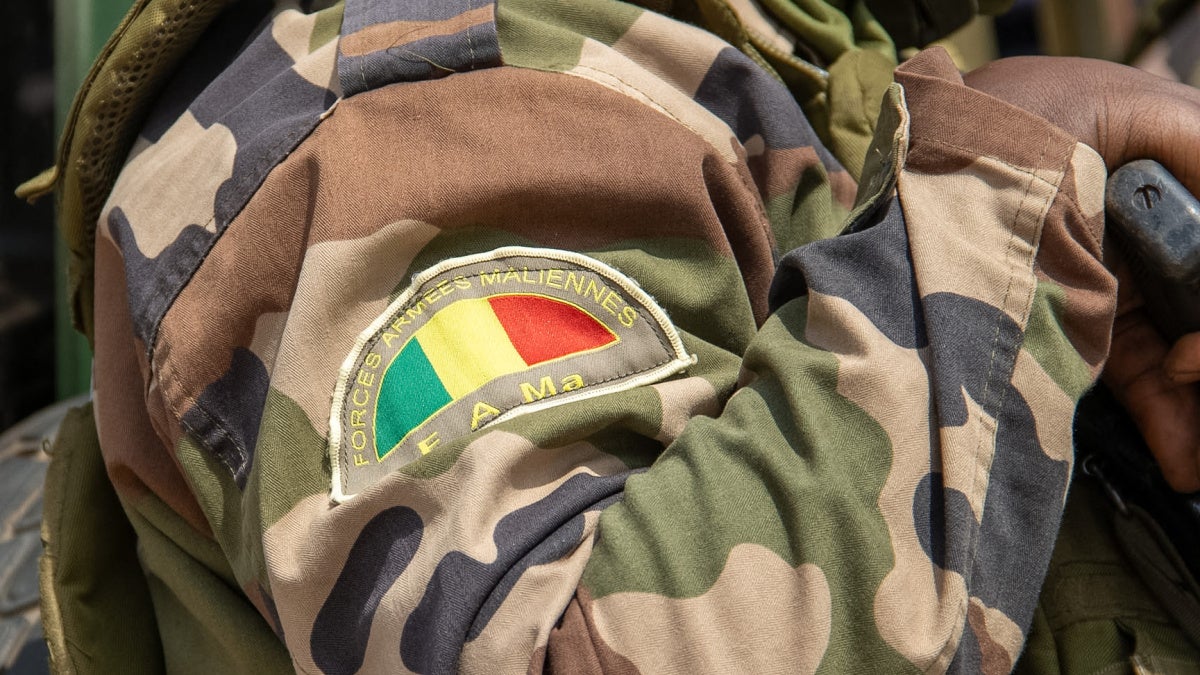
In the heart of central Mali’s embattled Ségou region, a grim pattern of violence has unfolded. Government forces and allied militias stand accused of executing at least 31 civilians and torching homes during raids on two villages in early October. The incidents, occurring on October 2 and October 13, have intensified scrutiny over the conduct of Mali’s military operations in areas under the sway of Islamist armed groups.
On the morning of October 2, uniformed soldiers and armed men in traditional Dozos attire—local militias with a decade-long history of counterinsurgency support—arrived in Kamona village. Witnesses reported that the soldiers, arriving in seven pickup trucks and three armored vehicles, along with Dozos on motorcycles, systematically hunted down male residents. Survivors described how those unable to flee were rounded up and executed in cold blood. At least 21 men were killed, and 10 homes reduced to ashes. The attack followed warnings from Islamist fighters, prompting many villagers to flee before the soldiers’ arrival.
« The ones who couldn’t escape were captured and shot, » recounted a local survivor who spoke on condition of anonymity. The soldiers, identified by their camouflage uniforms, and the Dozos, distinguished by traditional clothing and protective amulets, showed no restraint. Evidence later revealed 17 bodies beneath a large tree in the village, with four more discovered north of the settlement. All victims were men aged 20 to 65, their bodies riddled with gunfire. Some showed signs of severe head trauma. A 40-year-old herder, who hid in an abandoned building with his nine-year-old daughter, described finding the corpses upon the attackers’ departure. « The bodies were perforated with bullets. One man’s skull was shattered, » he said. « Spent casings littered the ground. »
Community leaders confirmed that the Islamist Group to Support Islam and Muslims (JNIM), affiliated with Al-Qaeda, had warned villagers of the impending military raid. There were no reports of clashes between the two factions. Residents believe the killings were a retaliatory measure following recent JNIM attacks, including a strike on the Siribala sugar refinery in August.
By the evening of October 2, 21 names were added to a grim tally of the dead, though villagers suspect the actual toll may be higher. « We heard at least 15 more men were killed in the bush that day, » said one resident. « But we dared not go look—we feared the soldiers would return. »
Second attack leaves more casualties in Balle village
Ten days later, the violence spread to Balle, located roughly 55 kilometers from Kamona. Around 1 p.m. on October 13, soldiers in five pickup trucks, accompanied by at least 30 Dozos on motorcycles, swept into the village. Some residents fled immediately, while others, like a 24-year-old man, hesitated—only to witness soldiers door-knocking and assaulting men with batons and kicks. Gunfire soon echoed through the streets. In total, nine men aged 22 to 67 and a 55-year-old woman were killed. Over 100 cattle were also seized during the raid.
A 33-year-old resident recounted discovering the bodies scattered in the village center. « They lay side by side, riddled with bullets. Some had broken limbs, » he said. The slain woman’s 21-year-old daughter tearfully described her mother’s final moments. « She confronted the soldiers, screaming at them for their brutality, » she said. « They dragged her to where the men were held and shot her. »
Local accounts paint a picture of long-standing control by JNIM in Balle. « We’ve paid zakat for years. If disputes arise, the jihadists settle them. There are no soldiers, gendarmes, or police here, » explained a villager. « So when the army comes, they see no difference between us and the fighters. They don’t distinguish. »
Calls for accountability amid escalating violence
Human rights advocates are demanding urgent investigations into the killings, with Ilaria Allegrozzi, Senior Sahel Researcher at Human Rights Watch, emphasizing the need for credible and impartial inquiries. « The October massacres in Ségou are the latest in a string of atrocities linked to Mali’s armed forces and their allied militias, » she stated. « Authorities must ensure perpetrators face justice through fair trials. »
Despite repeated attempts to solicit responses from Mali’s Justice and Defense ministries via written inquiries, no official reply has been received as of this report. The silence underscores a broader pattern of impunity that has plagued the nation since the 2012 conflict erupted. Over 402,000 people have been displaced, and civilian casualties continue to mount as armed groups and state-backed forces clash in a cycle of retribution and violence.
The latest attacks coincide with a tightening siege by JNIM on Bamako in early September, which disrupted fuel supplies to the capital and forced the military junta to shutter schools and universities nationwide. All parties to the conflict are bound by international humanitarian law, including Common Article 3 of the 1949 Geneva Conventions and customary laws of war. These prohibit attacks on civilians, murder, cruel treatment, and torture. Those found responsible for war crimes may face prosecution under national or international jurisdictions.
Though Mali withdrew from the International Criminal Court (ICC) in September, the country remains a State Party to the Rome Statute until September 2026. The ICC has been investigating alleged war crimes in Mali since 2013. Meanwhile, regional bodies like the African Union (AU) have been criticized for their limited response to the worsening crisis. Despite the AU’s mandate to uphold peace and security, its Peace and Security Council has yet to move beyond issuing statements of concern.
« The AU must prioritize this conflict, » Allegrozzi urged. « Regular briefings, strengthened diplomatic efforts, and coordinated regional and international actions are essential to ensure accountability for abuses committed by all parties. »