
Experts condemn democratic elections of coup leaders in africa
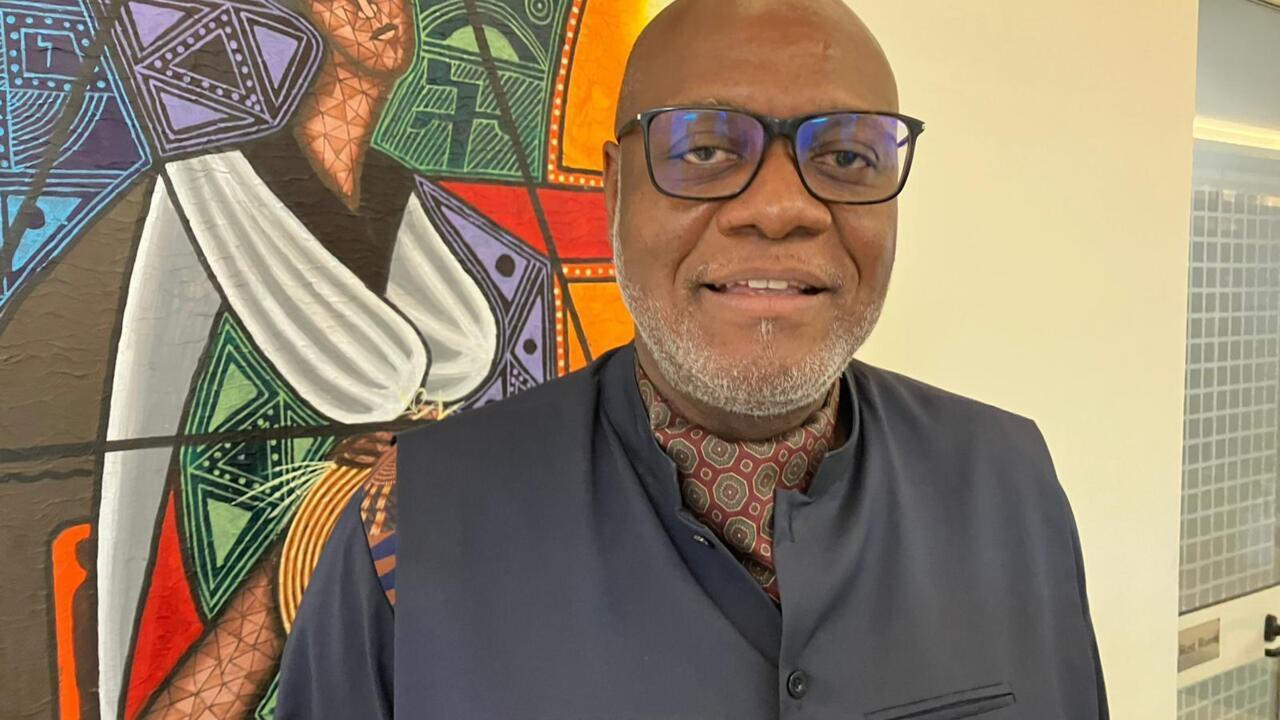
The 39th African Union summit concluded with a bold declaration: “silencing the guns” and vowing an end to unconstitutional power changes. But can this commitment hold weight? Paul-Simon Handy, a Cameroonian researcher and regional director of the Institute for Security Studies (ISS) for Eastern Africa, shared his insights from Addis Ababa as a featured guest on Africa Midi.
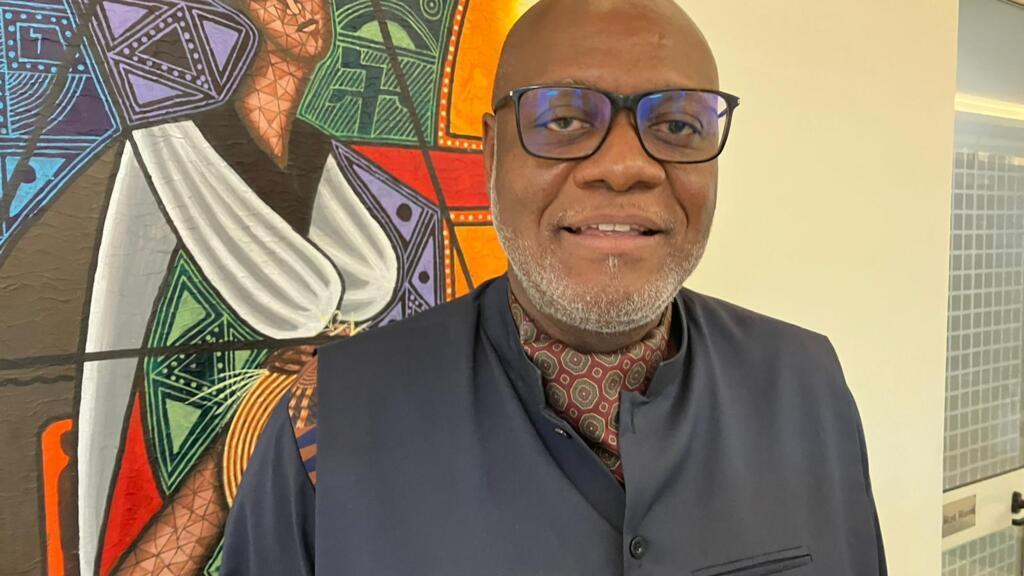
undermining democracy: the paradox of electing coup leaders
Paul-Simon Handy delivered a scathing critique of the growing trend where leaders who seized power through unconstitutional means are later legitimized by democratic elections. “It is unacceptable that individuals responsible for coups should be allowed to run for office and win elections,” he stated. This practice, he argued, erodes trust in democratic institutions and sets a dangerous precedent for governance across the continent.
During his appearance on Africa Midi, Handy emphasized that such elections send mixed signals about the African Union’s commitment to its own declarations. “If we tolerate these transitions, we send a message that constitutional order is not a priority,” he noted. The ISS regional director called for stricter enforcement of AU guidelines to prevent unconstitutional changes of power.
the african union’s stance on unconstitutional power changes
The AU’s latest summit in Addis Ababa reaffirmed its zero-tolerance policy for coups and unconstitutional transitions. Yet, the practical challenges of implementing this stance remain significant. Handy pointed out that while the political will may exist at the leadership level, enforcement at the national and regional levels often falls short. He cited recent cases where coup leaders have later participated in elections, raising doubts about the AU’s ability to hold member states accountable.
“The African Union must move beyond declarations and take concrete actions,” Handy urged. This includes suspending countries that violate constitutional order and supporting democratic transitions through transparent electoral processes. Without these measures, he warned, the AU’s credibility risks further decline.
experts warn of long-term consequences
Handy’s remarks resonate with growing concerns among political analysts and civil society groups. The normalization of elected coup leaders not only weakens democratic norms but also fuels instability. Countries that experience such transitions often face prolonged political crises, economic decline, and social unrest. “Democracy cannot thrive when its foundational principles are repeatedly violated,” Handy asserted.
He also highlighted the role of international partners in either condoning or challenging these transitions. “External actors must align their support with democratic principles rather than short-term political gains,” he added. This call for consistency underscores the need for a unified approach to governance and accountability in Africa.
The discussion on Africa Midi served as a stark reminder of the uphill battle facing the continent in its quest for stable and democratic governance. As the AU continues to grapple with these challenges, the voices of experts like Paul-Simon Handy remain critical in shaping a future where democratic values are upheld.