From scholarships to battlefield: the untold story of a Beninese student in Ukraine
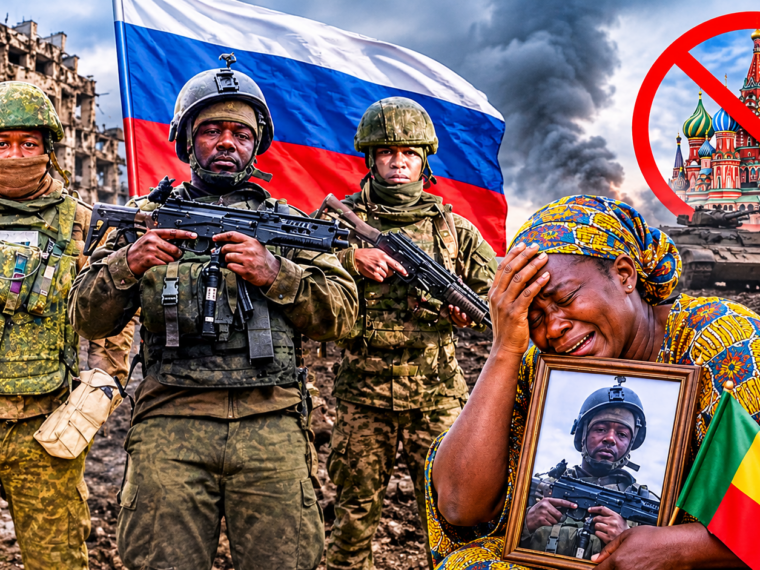
A Beninese student pursuing higher education in Russia has died while fighting in Ukraine, exposing the hidden dangers facing African youth who seek opportunities abroad. The incident raises urgent questions about how students can become entangled in conflicts far from home, transforming academic aspirations into a tragic reality.
How a study abroad program led to war
The young man’s journey began with the promise of education scholarships, technical training, and exposure to international academic environments. Yet his dream of a brighter future ended prematurely when he was reportedly drawn into the conflict in Ukraine, where he ultimately lost his life.
This case highlights a troubling pattern: students lured by the appeal of foreign degrees sometimes face unforeseen risks, including exploitation and coercion into military service. The intersection of education, employment, and war has created a dangerous environment for some African nationals in Russia.
Unverified promises and the cost of desperation
Many African students travel to Russia with limited financial resources, hoping that education will lead to better career prospects. However, vulnerability arises when intermediaries offer lucrative jobs, financial support, or simplified immigration processes only to later reveal hidden military obligations.
In this student’s case, reports suggest that what began as an academic endeavor may have been distorted into a wartime role. Once engaged in such activities, foreign students face grave consequences: battlefield injuries, captivity, or death. Families left behind often receive no prior warnings, leaving them unaware of the true nature of their child’s circumstances.
The Kremlin’s role in student recruitment: fact or misconception?
Rumors persist that Russian authorities actively recruit foreign students into military service, exploiting their economic vulnerabilities. While not all students are targeted, the existence of documented cases demands scrutiny. Universities in Russia that host international students must clarify their policies regarding student contracts, visas, and the potential for military obligations.
The student’s death underscores the need for transparency. Families investing in overseas education deserve to know whether their children are enrolling in academic programs or unknowingly signing up for combat. Without clear disclosures, the line between education and militarization remains dangerously blurred.
A call for consular protection and informed decisions
African governments must prioritize the safety of their citizens studying abroad. Consular services should issue warnings about recruitment practices, verify student statuses, and provide emergency support when individuals face coercion. Prospective students and their families, in turn, must conduct thorough research before committing to programs in Russia, seeking official documentation and verifying claims made by recruiters.
No amount of financial promise or career opportunity justifies risking a young life in war. The tragic fate of this Beninese student serves as a stark reminder: academic ambition should not be a pathway to battlefield sacrifice.
Learning from tragedy: safeguarding the future for African students
The death of this young man necessitates systemic changes to protect African students abroad. Universities, recruitment agencies, and governments must work together to:
Ensure all student contracts disclose potential military obligations;
Provide clear warnings about risks in conflict zones;
Establish emergency protocols for students in distress;
Strengthen consular oversight and family communication.
Until these measures are implemented, the promise of foreign education remains fragile too often shattered by the harsh realities of war.
By Thomas Nkoulou — Journalist