
Democratic elections for coup leaders spark controversy at african union summit
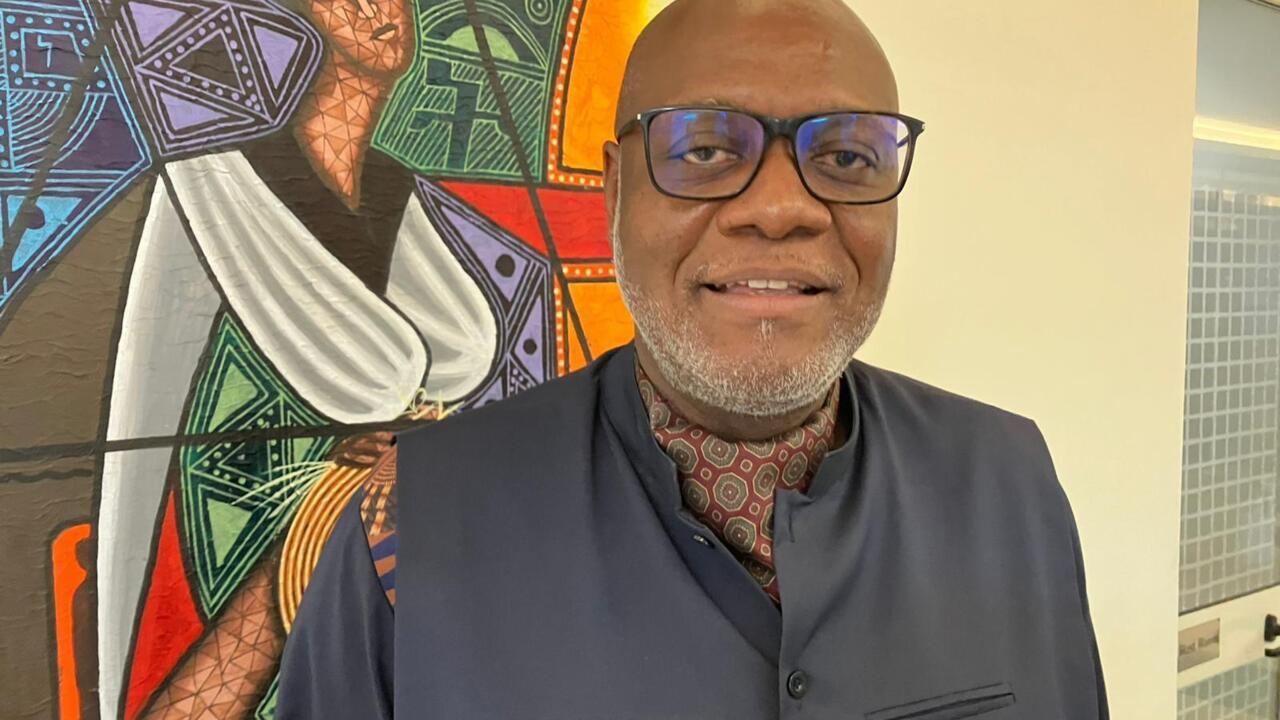
The 39th African Union summit concluded with a bold declaration: to “silence the guns” and firmly reject unconstitutional power transfers. Yet skepticism lingers. Can these promises hold weight when leaders with military backgrounds take office through the ballot box? Paul-Simon Handy, a Cameroonian researcher and Regional Director for the Institute for Security Studies (ISS) in East Africa, shared his insights from Addis Ababa during a live discussion on Africa Midi.
a dilemma for african democracy
At the heart of the debate is a growing trend: former coup leaders running in elections and winning. This phenomenon, once unthinkable, now challenges the continent’s commitment to democratic norms. Handy emphasized the urgency of addressing this issue, stating that it is “unacceptable for architects of coups to be democratically elected.”
the union’s stance and regional reactions
The AU’s latest summit produced a strong message against unconstitutional changes of government. However, implementation remains a hurdle. African nations must now decide whether to enforce these principles strictly or risk undermining their own declarations. Handy highlighted the need for clearer policies to prevent such outcomes, warning that inaction could embolden future putschists.
the path forward: accountability and reform
For real change to occur, Handy argued, Africa must prioritize accountability. This includes revisiting electoral processes to ensure they are not exploited by those seeking legitimacy after seizing power. Strengthening regional institutions and fostering transparency in governance could serve as critical steps toward restoring trust in democratic systems.