The France-Chad defense partnership reached a decisive milestone on October 13, 2026, as both nations signed a landmark declaration of intent in Paris. This agreement signals a strategic reset, marking a clear departure from past military arrangements and setting the stage for a renewed bilateral cooperation focused on defense, economic growth, and regional security.
Paris and N’Djamena break new ground in Sahel diplomacy
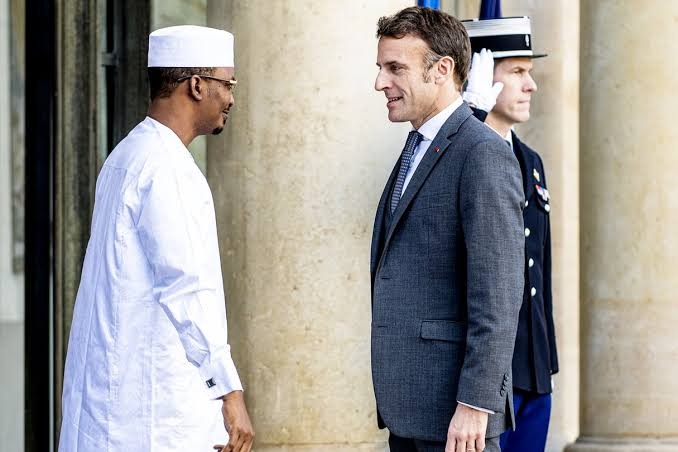
French President Emmanuel Macron hosted Chad’s President Mahamat Idriss Déby at the Élysée Palace, where the two leaders finalized a mutual commitment to rebuild their defense ties. The signing ceremony, attended by defense ministers from both nations, formalized a structured framework for cooperation—one that emphasizes training, technical expertise, industrial collaboration, and technological exchange. This initiative comes nearly two years after Chad terminated its military cooperation agreement with France, effectively ending the decades-long presence of French troops in the country.
A shift away from permanent military presence
The October 13 declaration represents more than just a formal reset—it embodies a new model of defense partnership. Unlike the previous structure that relied on permanent military installations, this agreement prioritizes tailored support based on Chad’s evolving security needs. With French forces having withdrawn from Chad by early 2025, Paris is redefining its engagement model across the Sahel, adapting to the geopolitical realities of a region where anti-French sentiment has reshaped alliances.
Why Chad remains essential to Sahel security
Chad’s strategic location—bordering war-torn Sudan, Libya, and the Lake Chad Basin—positions it as a linchpin in regional security. The renewed cooperation focuses on three core priorities:
- Border surveillance and counter-terrorism: enhancing Chad’s capacity to monitor and secure its porous frontiers.
- Armed group deterrence: strengthening intelligence-sharing and joint operations to curb insurgent activities.
- Operational capacity building: equipping and training Chad’s armed forces to take a leading role in regional stabilization efforts.
This renewed focus reflects France’s pivot toward partnerships that emphasize sovereignty and local ownership, a response to the shifting tides of public opinion and political autonomy sweeping across the Sahel.
Navigating regional tensions with Niger
The timing of this agreement is critical, as it comes amid heightened tensions between France and Niger. Following an alleged destabilization attempt in Niamey on August 28–29, 2026, Niger’s government implicated both foreign actors and neighboring states, including Chad. While Paris dismissed these claims, the incident underscored the fragility of regional relations and the delicate balance required in rebuilding trust.
Chad and Niger, though sharing security concerns, have pursued distinct diplomatic paths. Chad’s alignment with France in this new defense pact could further complicate relations with Niamey, which has adopted a more confrontational stance toward Western powers. For Paris, this underscores the need for cautious, bilateral engagement that avoids escalating subregional rivalries.
Beyond defense: economic and cultural ties take center stage
The October 13 meetings transcended security, with Macron and Déby charting a course for deeper economic and cultural integration. Key sectors identified for collaboration include:
- Infrastructure development: roads, energy grids, and digital networks to improve connectivity and trade.
- Healthcare and education: expanding access to essential services and vocational training programs.
- Renewable energy and agriculture: investments to boost food security and reduce dependence on imports.
This broader agenda reflects a shared recognition that sustainable stability in the Sahel requires more than military partnerships—it demands tangible improvements in livelihoods and governance.
A fresh chapter for French diplomacy in Africa
For France, the Chad agreement is a litmus test for its post-military engagement strategy in the Sahel. By prioritizing non-permanent, needs-based cooperation, Paris aims to rebuild its influence while respecting partner countries’ sovereignty. For Chad, the agreement offers a pathway to modernize its armed forces and diversify its international partnerships without sacrificing strategic autonomy.
As both nations move forward, the defense declaration stands as a symbol of adaptability amid adversity. It signals a willingness to confront the region’s complex challenges with a blend of realism, flexibility, and forward-looking collaboration—one that could redefine the future of Sahel security.