French asylum rejection for Centrafrican whistleblower exposing Wagner group
The French authorities have denied asylum to Centrafrican journalist Ephrem Yalike-Ngonzo, despite his groundbreaking revelations about Wagner Group operations in his homeland. His case highlights the growing risks faced by those exposing foreign influence campaigns in Africa.
Ephrem Yalike-Ngonzo’s asylum application was formally rejected on July 10, 2026, a decision his legal team calls a ‘dangerous precedent’ that will discourage others from uncovering similar operations. The journalist had been living in France since 2024 under a special travel document personally authorized by President Emmanuel Macron, after fleeing death threats linked to his explosive 2024 disclosures about Russian disinformation networks in the Central African Republic.
From paid propagandist to target of Putin’s proxy forces
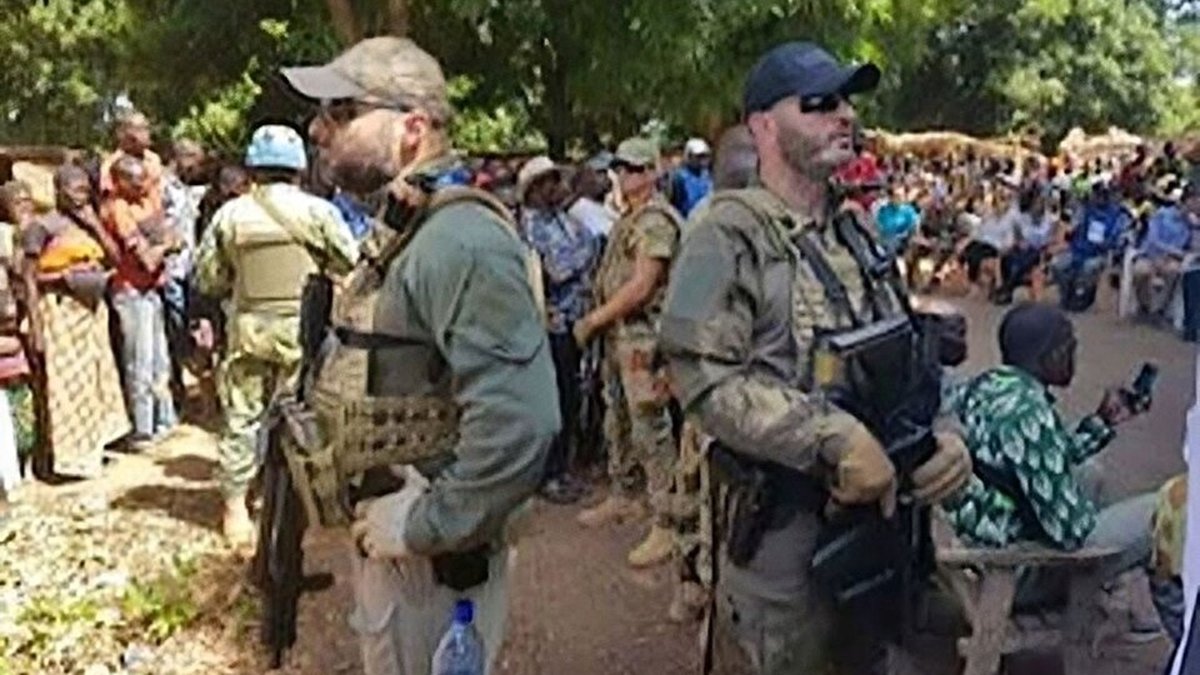
Yalike-Ngonzo’s relationship with Wagner-linked operations began in late 2019 when he was approached by Russian operatives while working for multiple local publications. The arrangement paid between €15-30 per published article—barely a quarter of his monthly salary—at the time promoting the Central African army and its Russian partners. His eventual decision to expose these operations came after surviving multiple assassination attempts orchestrated by Wagner operatives in Bangui.
His testimony became a cornerstone of an international investigation into Russian influence campaigns across Africa, directly contributing to the European Union’s decision to sanction Mikhaïl Prudnikov, identified as a key architect of Moscow’s propaganda machine in the region.
Legal limbo and continued threats
With his asylum appeal now before France’s National Asylum Court, Yalike-Ngonzo remains in hiding with his family in France while awaiting a decision that could take up to a year. Meanwhile, his relatives in the Central African Republic face regular interrogations and pressure to reveal his whereabouts. His lawyer warns that this rejection sends ‘a chilling message to all who dare challenge Moscow’s expanding footprint in Africa through covert operations.’