Gabon and Monaco strengthen green partnership for sustainable future
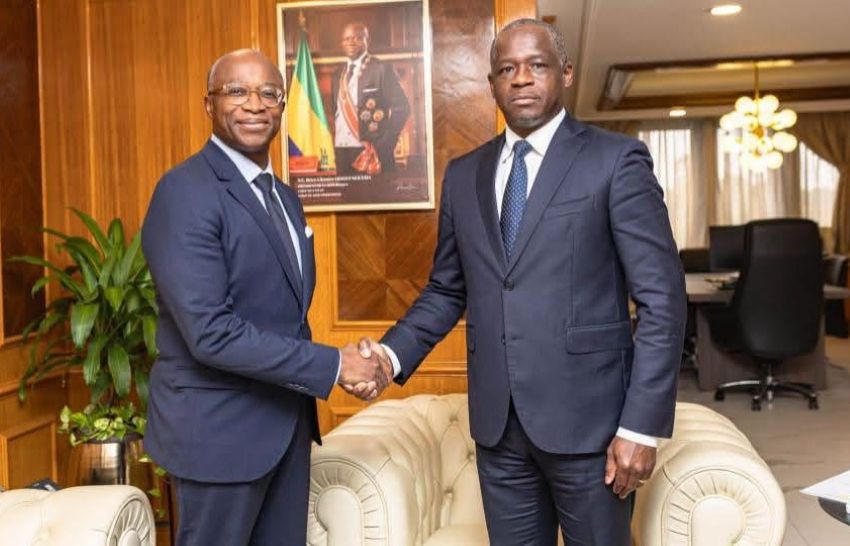
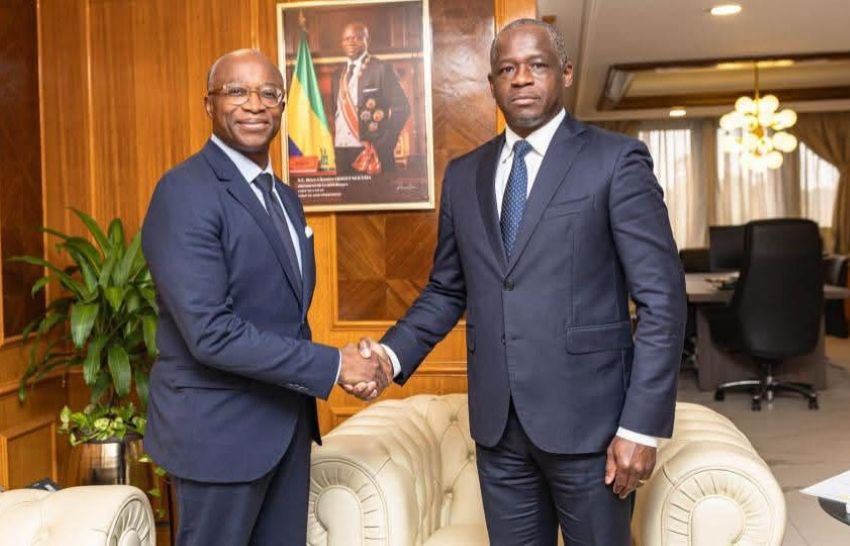
Libreville, August 9, 2026 – Gabon is redefining its environmental assets as a cornerstone of diplomatic influence, climate resilience, and economic growth. The high-level meeting between Vice-President Hermann Immongault and Monaco’s Prince Albert II Foundation delegation on August 5 symbolizes a bold new chapter in this vision.
The discussions, led by Charles Oula Siehe, Special Advisor for Africa at the Foundation, focused on transforming Gabon’s natural wealth—its vast forests, diverse ecosystems, and marine resources—into sustainable development opportunities through international partnerships.
Joining Immongault were Aimé Martial Massamba, Minister of Fisheries, Sea, and Blue Economy, underscoring the comprehensive approach to environmental stewardship. The talks explored expanding Monaco’s footprint in Gabon and deepening collaboration across conservation, carbon financing, and ocean preservation.
The Congo Basin: A global priority
Monaco’s renewed interest arrives ahead of the Foundation’s 20th anniversary in September, with plans to intensify efforts in the Congo Basin—a critical carbon sink and biodiversity hotspot. For Gabon, aligning this international ambition with domestic priorities could unlock transformative projects in forest protection, biodiversity conservation, and sustainable blue economy initiatives.
Blue economy development stands out as a key opportunity. With over 800 kilometers of coastline, Gabon can leverage marine resources while ensuring ecological balance. Sustainable fisheries, protected marine zones, and eco-tourism could diversify the economy while generating jobs and revenue.
Similarly, forests are no longer just ecological assets but economic catalysts. Gabon’s carbon financing mechanisms, if designed with transparency and equity, could reward conservation efforts while attracting global climate funds. The challenge lies in ensuring these systems deliver measurable benefits to local communities and ecosystems.
From conservation to geopolitical leverage
This partnership signals Gabon’s strategic pivot: moving beyond passive environmental protection to active climate diplomacy. By positioning its natural capital as a geopolitical tool, Libreville aims to secure funding, expertise, and influence on the world stage.
The success of this alliance hinges on turning commitments into actionable programs—projects with clear funding streams, skill transfers, and measurable outcomes. Monaco brings expertise and global networks; Gabon offers a unparalleled natural laboratory for climate solutions.
As global demand for nature-based solutions grows, Gabon’s strategy could redefine its role in international climate negotiations. The August 5 meeting wasn’t just a diplomatic formality—it was a declaration of intent to harness environmental stewardship as a driver of sovereignty and sustainable prosperity.