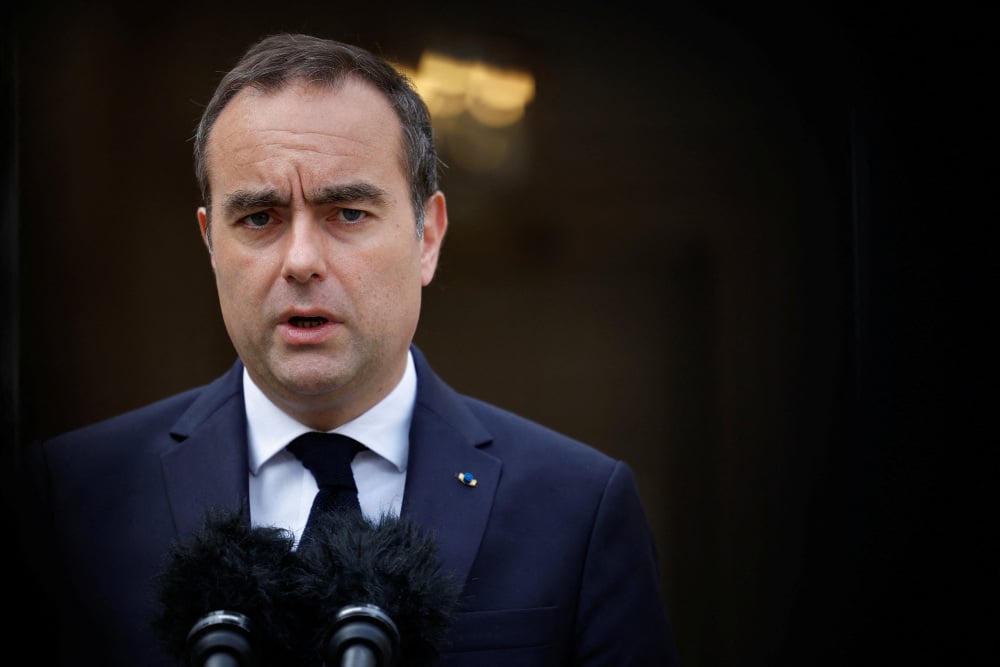
Libreville – President Brice Clotaire Oligui Nguema on Wednesday inspected the major waterfront construction sites in the capital, reaffirming his commitment to turning the coastline into a driver of growth, attractiveness, and urban renewal.
A nation’s progress is often measured by how well its leaders turn promises into tangible results. In Libreville, the coastline is becoming the most concrete symbol of that ambition.
Just hours after handing over 200 new vehicles under the Taxi Gab programme, the head of state conducted a field visit focused on the large-scale waterfront projects. This highly symbolic move reflects a governance style centred on continuous monitoring of strategic initiatives and regular engagement with on-the-ground realities.
The tour allowed the president to assess the progress of several infrastructure projects that will permanently reshape Libreville’s urban landscape and boost its economic appeal.
Coastline at the heart of the new urban strategy
The first stop was at the Gué-Gué bridge, where a modern building is being constructed to house offices and apartments. Built by Mika Service, a company led by Alain-Claude Kouakoua, this real estate project is part of a broader drive to modernise the capital.
Beyond its architectural significance, this infrastructure reflects a profound shift in how the city is conceived. Libreville is no longer just meeting immediate needs; it is now planning ahead by developing spaces that can attract investors, businesses, and new service activities.
The president chose to travel to the site in a Taxi Gab driven by a woman—a deliberate gesture that underscores the authorities’ aim to link major urban projects with economic inclusion and citizen empowerment.
Waterfront designed as an economic lever
The visit continued on the vast redevelopment site stretching from the Gué-Gué bridge to Baie des Rois. This is one of the most ambitious projects currently underway in the Gabonese capital.
The objective goes well beyond urban beautification. Authorities want to create a multifunctional space combining leisure, tourism, economic activities, and natural heritage enhancement. In major cities around the world, waterfronts often become growth engines that generate significant private investment, boost employment, and improve a city’s international image.
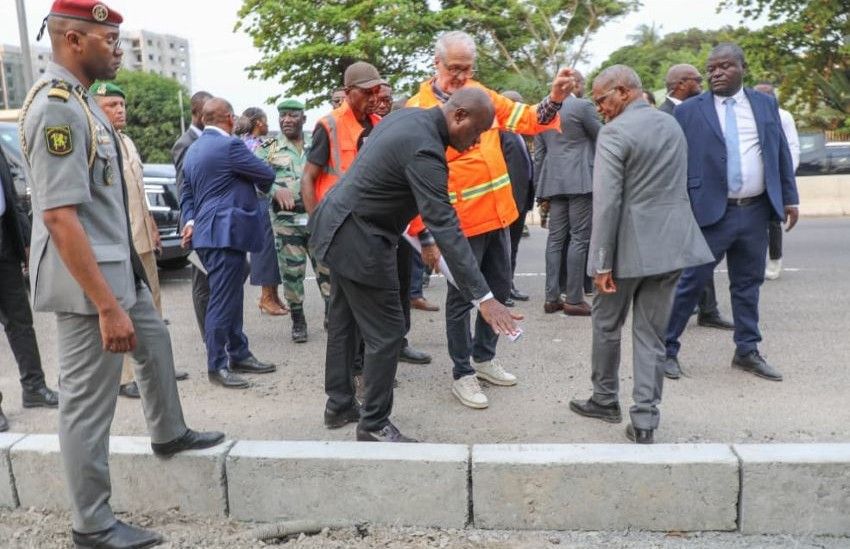
By issuing several directives to optimise the future use of this strategic space, the head of state reaffirmed his determination to place Libreville in this competitive urban framework.
However, this ambition comes with a major imperative. The president stressed the need to sustainably maintain the completed developments. He specifically called on municipal authorities to step up awareness campaigns on cleanliness, waste management, and respect for public spaces.
Local entrepreneurship as a development partner
One of the highlights of the visit was the attention given to an initiative by a Gabonese entrepreneur involving equipment and services for users of the waterfront sports areas.
This move signals an important shift in public policy. Infrastructure is no longer seen solely as state projects—it also becomes an opportunity for national economic players to develop new services, create jobs, and participate in the growth dynamic.
The exchanges between the president and the many citizens who came to meet him further underscored this vision: a development model based on enhancing public spaces, improving the living environment, and generating shared prosperity.
Through this field visit, Brice Clotaire Oligui Nguema confirms an approach that has become a hallmark of his public action. Rigorous project monitoring is no longer a mere protocol exercise—it is a tool for steering national transformation.
On the shores of Libreville, more than a waterfront is being built today. It is a new projection of Gabon toward its economic, tourist, and urban future.