Ghana’s Salomay Awiti case: can national security justify a secret detention?
What happens when a state’s national security apparatus is turned against an ordinary citizen? In Ghana, the violent arrest and secret detention of nurse Salomay Bafoh Awiti have ignited a political and legal firestorm, forcing the country to confront uncomfortable questions about the limits of state power and the erosion of democratic safeguards.
The night that changed everything: armed raid and abandoned children
It was around 11 p.m. on a recent Saturday when heavily armed security agents stormed the home of Salomay Bafoh Awiti, a registered nurse stationed at Abetifi Hospital in Techiman. Handcuffed in front of her relatives under the vague pretext of suspicious Mobile Money transactions and the circulation of videos deemed “offensive,” she was taken to an undisclosed location.
The human toll was immediate and devastating. The agents seized the mother of three, leaving behind her minor children—aged 4 and 15—without any assistance or care. For more than 48 hours, exceeding the constitutional limit for detention without charge, her family and legal team hit a wall of silence. From the Ghana Police Service to the National Security Secretariat and the Bureau of National Investigations (BNI), no institution would confirm where she was being held.
Accusations of treason and trampled rights
Only after a grueling ordeal did her lawyer, Enoch Afoakwa, finally locate his client at the Criminal Investigations Department (CID) in Accra. He denounced abusive interrogation methods, revealing that the nurse had been subjected to repeated pressure to testify without legal counsel present.
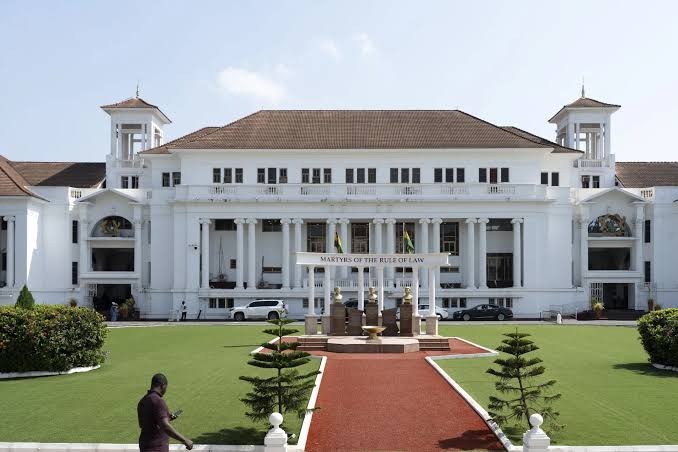
When she was brought before Circuit Court One, the case took a sharply political turn. Prosecutors alleged a conspiracy to “overthrow the government” in collusion with a virtual intermediary—a charge the defense dismissed as outlandish. They pointed out that the prosecution had failed to provide even a basic charge sheet before the hearing. “We are back to the darkest hours of our history,” Afoakwa declared, condemning what he called a systematic violation of constitutional guarantees.
The majority’s awkward silence and institutional stakes
The shockwaves have reached Parliament, where the ruling New Patriotic Party (NPP) majority and its legal figures—such as MP and lawyer Nana Agyei Baffour Awuah—are feeling the heat from civil society and human rights organizations. While some lawmakers defend the institutions’ firmness on national security, the public is increasingly questioning the blurred line between fighting crime and weaponizing the justice system for political intimidation.
As protests grow from the medical community and civil liberties groups, the court has adjourned proceedings, forcing the prosecution to formalize its charges. This case has transcended the individual fate of Ms. Awiti to become the ultimate test of Ghanaian democracy’s resilience against the temptations of state arbitrariness.