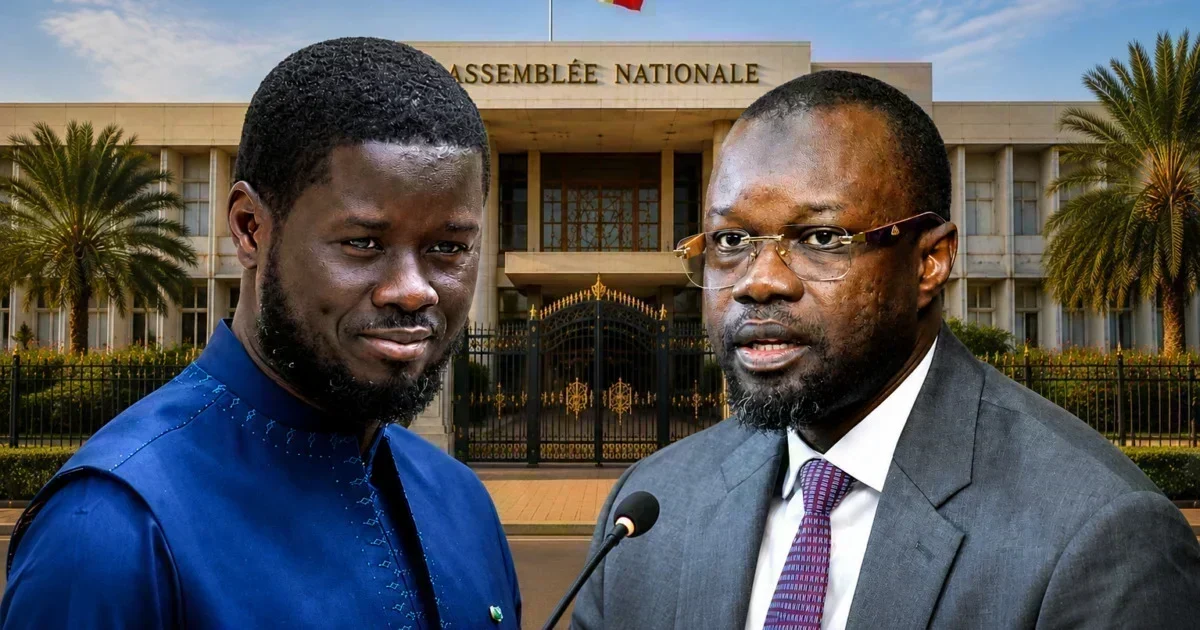
The recent enactment of the revised Electoral Code in Sénégal has ignited a significant political controversy across the nation. Deputy Tafsir Thioye, a prominent independent parliamentarian known for his critical stance against the incumbent administration, convened a press conference this Tuesday. He aimed to articulate his perspective on the newly adopted legislation, which is now officially in effect. This public address comes at a pivotal moment when the Senegalese political landscape is grappling with questions concerning the country’s institutional equilibrium, with potential local and legislative elections on the horizon.
Sénégal’s electoral code reform sparks opposition backlash
The amendments to the Electoral Code reform, pushed through by the parliamentary majority, impact several critical aspects of Senegalese democratic processes. Critics, with Tafsir Thioye emerging as a leading voice, contend that the new provisions fundamentally alter the rules governing electoral disputes and eligibility criteria, potentially skewing them to benefit the ruling coalition. The official promulgation, the final stage of the legislative journey, has been interpreted by a segment of the opposition as a potent political maneuver, even signaling a departure from the long-standing traditions of consensus in Dakar.
As an independent parliamentarian, Tafsir Thioye holds a unique position, unaligned with either of the two dominant blocs within the legislative assembly. He asserts an independent voice, neither fully endorsing traditional opposition parties nor showing complacency towards the presidential majority. His recent press briefing was strategically designed to leverage this autonomy, offering a detailed technical and political critique of the newly enacted legislation.
Tafsir Thioye: an independent voice in Senegalese politics
Tafsir Thioye’s presence in Sénégal’s fourteenth legislature underscores a subtle yet significant evolution within the parliamentary landscape. Independent deputies, positioned outside the major coalitions, frequently act as catalysts in crucial debates. Their influence on electoral matters is particularly scrutinized, as every vote carries weight when topics concern election regulations and the integrity of the democratic process.
By engaging with media outlets, the parliamentarian aims to elevate the discussion beyond the confines of the legislative chamber, bringing the Senegalese politics debate directly to the public sphere. This approach is a common tactic in Sénégal, where print media, private radio stations, and digital platforms serve as vital channels for influencing the political agenda. The key question remains whether this intervention will galvanize other elected officials into a united front or potentially trigger legal challenges before the Constitutional Council.
Dakar faces institutional sovereignty challenge
Beyond Deputy Thioye’s specific concerns, the stability of Sénégal’s entire electoral framework is now under intense scrutiny. The nation, historically lauded as a democratic beacon in West Africa, is currently navigating a period where legislative decisions are meticulously analyzed in anticipation of upcoming Sénégal elections. The ability of its institutions to manage dissent without fracturing is crucial for maintaining Sénégal’s credibility among its international partners, including the Economic Community of West African States (ECOWAS) and various multilateral donors.
Diplomatic and economic circles are closely monitoring these developments. Any sustained uncertainty regarding the institutional direction inevitably impacts the country’s risk perception, especially as Dakar strives to solidify its role as a regional hub and attract investment in key sectors like hydrocarbons, telecommunications, and infrastructure. The current phase, initiated by the contested Electoral Code reform promulgation, is thus part of a broader calculation where political and economic considerations are inextricably linked.
In practical terms, the independent deputy’s media appearance could either spark a more organized campaign against the reform or dissipate without further momentum. The coming weeks will reveal whether this parliamentary opposition extends to street protests, legal battles before the judiciary, or ultimately influences the ballot box during future Sénégal elections.