Traoré’s three-day mission to Mali: A turning point for West African security
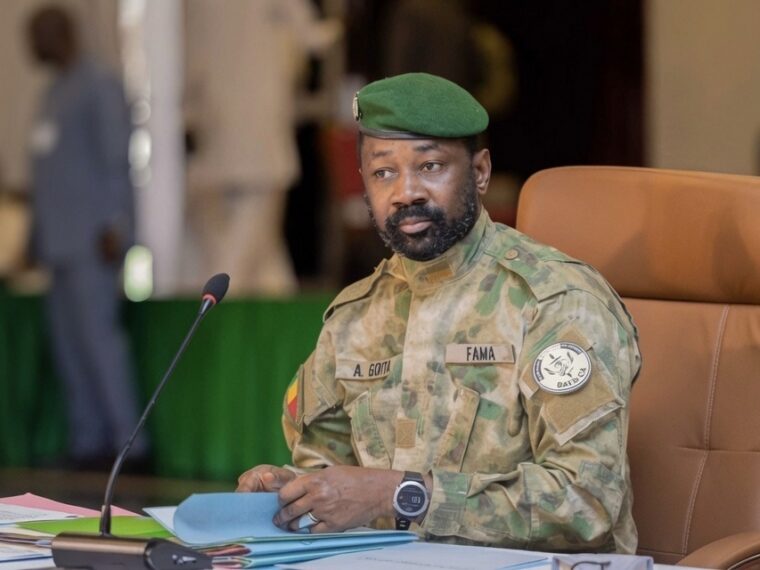
The head of Ivory Coast’s intelligence services, Vassiriki Traoré, is set to arrive in Bamako on October 15, 2026, for a landmark three-day working visit at the invitation of Mali’s national security chief, General Modibo Koné. This high-stakes trip comes amid mounting regional security pressures and a growing recognition that fractured intelligence ties between Abidjan and Bamako must be repaired to counter escalating terrorist threats.
From diplomatic rift to security reset: What’s driving this breakthrough
The deteriorating relations between the two nations—once regional allies—have reached a critical juncture. Since Mali’s military leadership took power in 2020, cooperation has frayed over divergent foreign policy stances, military alliances, and a series of explosive disputes, including the contentious case of 49 Ivorian soldiers detained in Bamako in 2022. While Bamako labeled them mercenaries, Abidjan insisted they were part of a UN peacekeeping deployment. The incident left deep scars, but today’s urgent security landscape demands a new approach.
Shared threats, fractured responses
The rise of violent extremist groups across the Sahel has left no room for division. While Mali grapples with relentless jihadist attacks in its central and northern regions, Ivory Coast faces growing instability along its northern border, where armed factions exploit porous frontiers. Intelligence sharing and coordinated counterterrorism efforts were once pillars of their partnership—now, they stand at risk of collapsing entirely.
What to expect from the Bamako talks: Key focus areas
- Border surveillance and intelligence exchange: Re-establishing real-time data sharing on suspected militants, weapon smuggling routes, and financial flows to terror networks.
- Unified threat assessments: Harmonising evaluations of jihadist group movements to prevent cross-border spillover attacks.
- Joint counterterrorism operations: Discussions on possible coordinated raids, hostage rescues, or disruption of supply chains used by armed factions.
- Rehabilitation of diplomatic channels: Restoring direct communication lines between intelligence agencies to avoid future misunderstandings.
Can Traoré and Koné rebuild trust in a divided region?
Success hinges on whether this visit can transcend the political animosity that has simmered for years. The stakes couldn’t be higher: a failed reset could leave both nations vulnerable to further attacks, while a breakthrough could set a precedent for other West African states wrestling with similar rifts. With regional blocs like ECOWAS pushing for greater cohesion, the timing of this mission aligns with a growing consensus that fractured intelligence ties are a luxury the Sahel can no longer afford.
The road ahead: From Bamako to lasting regional stability
Even if this week’s talks yield concrete agreements, the real test will be implementation. For Traoré and Koné, the challenge is twofold: repairing trust and proving to sceptics on both sides that security cooperation can outlast political disagreements. If the mission succeeds, it may mark the first step toward a broader revival of cross-border security partnerships in a region under siege.