From denial to decisive action: Niger confronts an unprecedented oil disaster
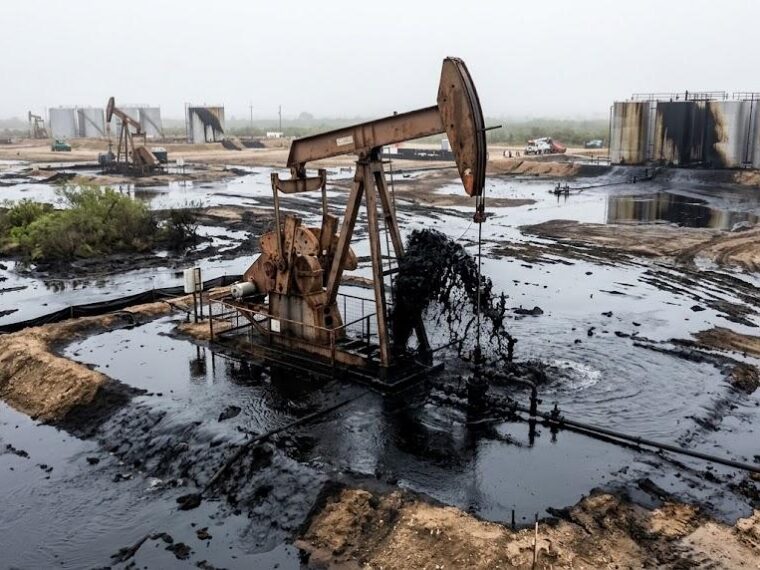
For weeks, whispers of a catastrophe at the Goumeri W-8 well echoed through the Agadem oil block. Then, on October 12, 2026, Niamey finally acknowledged what many feared: an uncontrollable oil and gas eruption had turned the CNPC-operated well into a relentless geyser, spewing crude over ten meters high since September 25. What began as a local industrial accident has now become a turning point for Niger’s energy ambitions—and exposed critical gaps in its ability to manage its own resources.
With two adjacent wells now compromised and two workers hospitalized, the government’s delayed response has intensified scrutiny. Civil society groups, including the Nigerien Renewable Energy Group (GREN), had been warning for days about the catastrophic environmental risks—contaminated farmland, poisoned groundwater—long before official acknowledgment. Yet even with emergency dikes and containment basins hastily constructed, authorities remain silent on the scale of the spill or its long-term consequences.
Sovereignty in question: can Niger control its own oil?
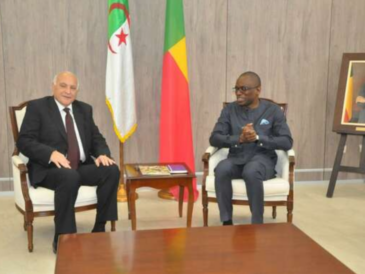
Niger’s leaders have long championed energy independence, demanding that CNPC—China’s state-owned oil giant—fill 80% of local positions. But when faced with a blowout of this magnitude, Niamey’s technical shortcomings became impossible to ignore. The damaged wellhead required specialized expertise that local engineers simply didn’t possess. In a bold pivot, the government turned to Algeria’s Sonatrach, a company with six decades of experience taming Sahara’s most treacherous oil crises. This decision marks more than an emergency response—it signals a fundamental shift in how Niger approaches its energy future.
The Algeria factor: a strategic lifeline in crisis
This collaboration isn’t happening in a vacuum. Since early 2026, Niamey and Algiers have deepened diplomatic and energy ties, from joint ventures in the Kafra field to shared marketing strategies for Agadem’s crude. Now, Sonatrach’s engineers are conducting an independent audit to determine the causes of the blowout—and establish liability. While a timeline for permanently sealing the well remains undisclosed, the alliance has already provided Niger with a glimmer of hope amid the chaos.
What’s next for Niger’s oil ambitions?
The Goumeri W-8 disaster serves as a harsh reality check. Niger’s push for energy sovereignty, while commendable, must be backed by real technical capacity. The crisis has forced a reckoning: can the nation truly control its oil, or will it always rely on external partners in moments of failure? As Sonatrach’s team works to contain the spill, one thing is certain—Niger’s energy future will never look the same again.