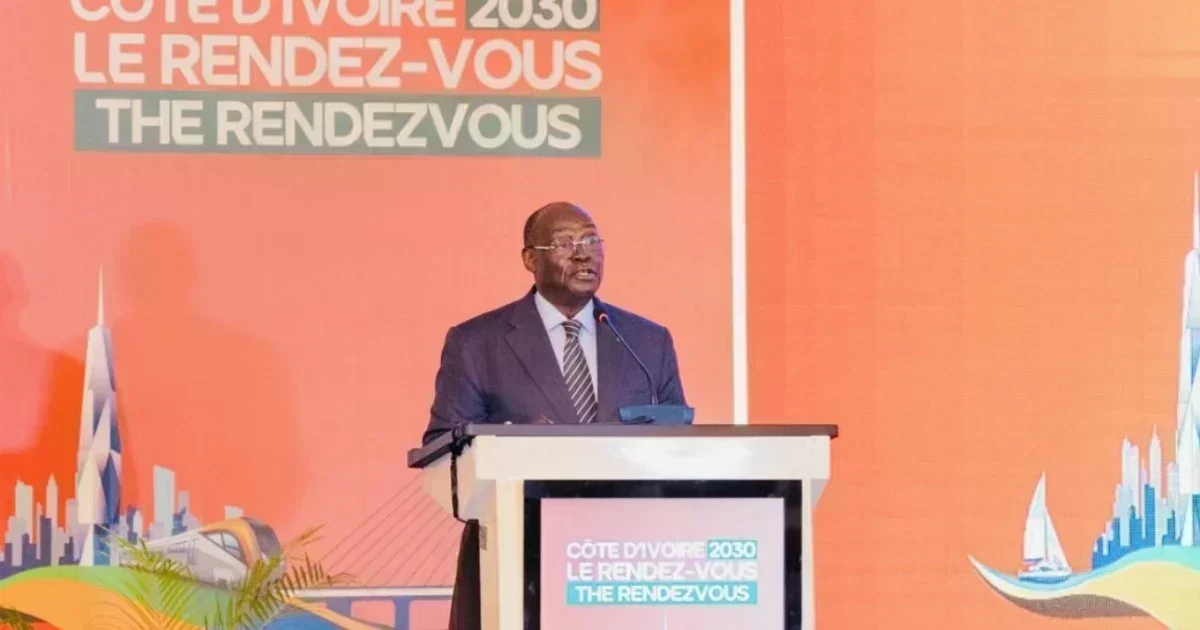
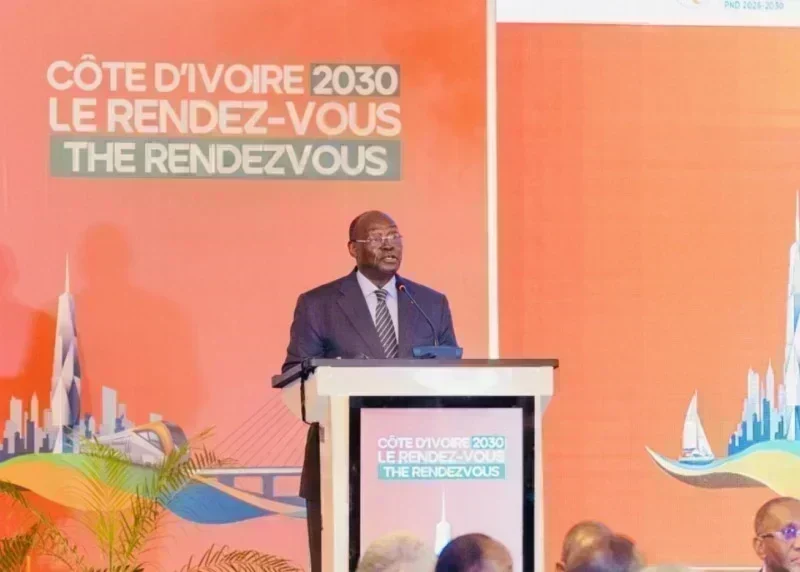
The Ivory Coast has once again demonstrated its economic resilience by securing international funding far exceeding initial projections for its National Development Plan (NDP) through 2030. The announcement came during a high-profile investor forum in Abidjan, where government officials met with public and private sector stakeholders to outline the country’s ambitious growth strategy.
unprecedented funding commitments exceed expectations
While the Ivory Coast had initially targeted approximately $20 billion in public financing for its NDP, international partners have committed more than four times that amount—over $80 billion—to support the country’s development initiatives. The announcement was made by the Minister of Planning, highlighting the overwhelming confidence from global financial institutions in the Ivory Coast’s economic prospects.
The funding commitments come from major international lenders including the World Bank, the African Development Bank, and the European Union. These institutions recognize the Ivory Coast’s strong economic indicators and its potential for sustainable growth across multiple sectors.
Over 70% of the total NDP financing is expected to come from private sector investments, amounting to more than $147 billion. This reflects growing confidence among global investors in the Ivory Coast’s business environment and long-term economic stability.
economic transformation and diversification drive investor confidence
The Ivory Coast’s economic revival has been remarkable, with consistent growth averaging 6.5% annually in recent years. This performance follows a challenging period of political and military instability in the early 2000s, during which the country laid the groundwork for recovery. Today, the Ivory Coast stands as one of West Africa’s most dynamic economies.
The NDP focuses on several key areas, including security enhancement, agricultural modernization (which contributes 20% of GDP), and the creation of national champions in various industries. Infrastructure development remains a priority, with major projects such as a high-speed rail network (TGV) underway to connect key economic zones.
The country’s economic transformation extends beyond traditional sectors. Recent discoveries in mining, natural gas, and oil have opened new avenues for investment, further bolstering the Ivory Coast’s appeal as a destination for foreign capital.
strong financial momentum ahead of 2030 targets
The Ivory Coast has already demonstrated its financial strength through successful fundraising efforts. In February, the country issued a $1.3 billion bond on international markets at highly favorable interest rates for an emerging economy. This was followed by an announcement from the International Monetary Fund, which approved a disbursement of nearly $833 million under multiple assistance programs.
The IMF has praised the Ivory Coast’s resilient economy, though it has noted expectations of a slight slowdown in growth to 6% in 2026, down from 6.5% in 2025. Inflation is projected to rise to approximately 3.3% this year, a manageable level given the country’s strong economic fundamentals.
With the latest funding commitments, the total NDP financing now stands at $209 billion. This includes significant contributions from both international partners and the Ivorian government, reflecting a shared commitment to achieving sustainable development goals by 2030.
The Ivory Coast’s ability to attract such substantial investments underscores its position as a leading economic hub in West Africa. As the country continues to diversify its economy and implement transformative projects, it is well-positioned to meet and exceed its development targets in the coming years.