The Social Democratic Front (SDF) has intensified its efforts to regain influence in Cameroon’s restive northern regions, with party leader Joshua Osih unveiling a bold new strategy. Speaking at a packed press conference in Yaoundé, Osih outlined a campaign titled “Take Back Bamenda”, signaling the SDF’s commitment to reclaiming political ground in key Anglophone strongholds.
Campaign launch in Yaoundé
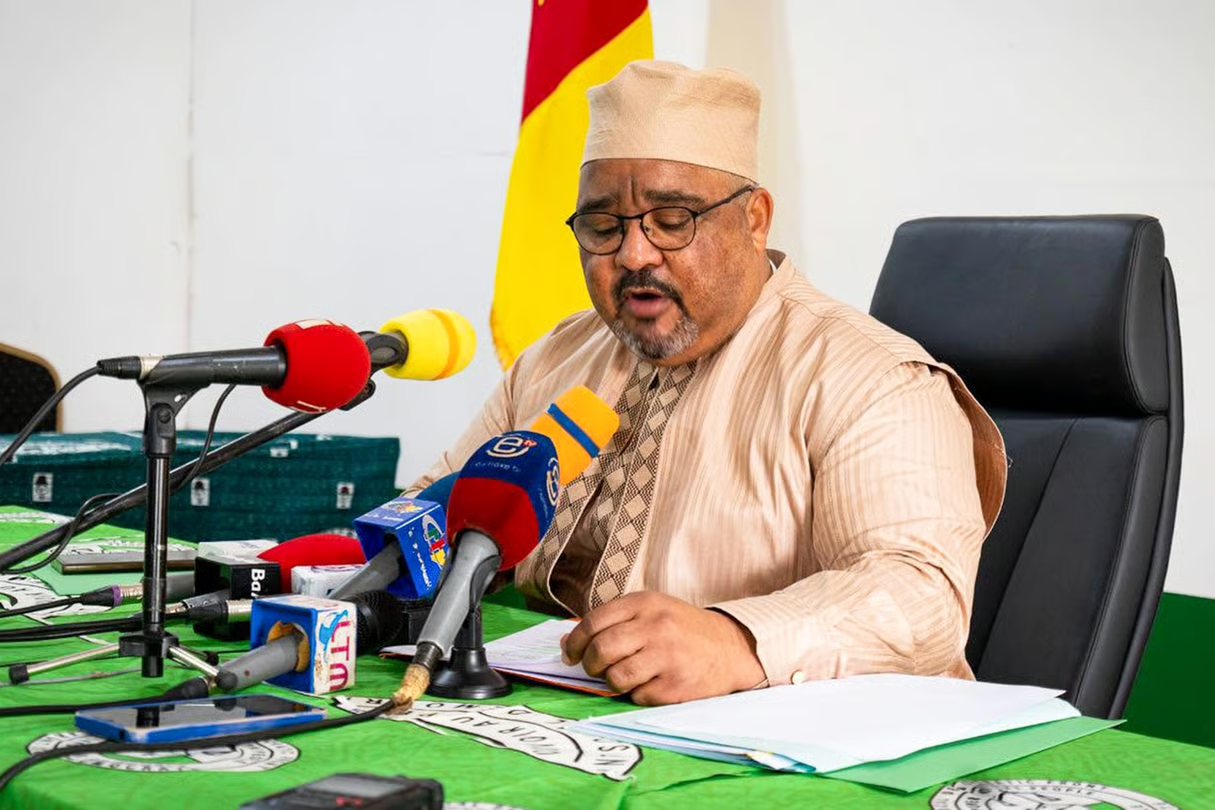
On July 23, 2026, Joshua Osih held a high-profile press briefing at the SDF headquarters, where he detailed the party’s roadmap to reassert its presence in the North West region. The event drew significant media attention, highlighting the urgency of the SDF’s renewed push to address local grievances and restore confidence among disillusioned voters.
The campaign comes at a critical juncture for the SDF, which has faced declining support in regions affected by prolonged unrest. Osih emphasized the need for inclusive dialogue and robust grassroots mobilization to bridge the gap between the party and communities grappling with socio-economic challenges.
Key objectives of the “Take Back Bamenda” initiative
The SDF’s strategy focuses on several core pillars designed to win back voter trust:
- Grassroots engagement: Door-to-door outreach programs to reconnect with voters and understand their priorities.
- Policy reforms: Proposals to address long-standing issues such as infrastructure deficits, security concerns, and economic stagnation in the Anglophone regions.
- Collaborative partnerships: Strengthening alliances with local leaders and civil society groups to amplify the party’s message.
- Youth mobilization: Targeted campaigns to engage young voters, who represent a significant portion of the electorate but have increasingly drifted away from traditional parties.
Reactions and expectations
The launch has sparked mixed reactions across the political spectrum. Supporters of the SDF see this as a necessary step to revitalize the party’s fortunes, while critics question the feasibility of regaining ground in a region where tensions remain high. Political analysts suggest that the success of the campaign will hinge on Osih’s ability to demonstrate tangible progress in addressing the root causes of discontent.
The SDF’s renewed focus on the North West reflects broader concerns about the region’s stability and the government’s handling of the crisis. With local elections on the horizon, the party’s performance in Bamenda and surrounding areas could have far-reaching implications for Cameroon’s political landscape.