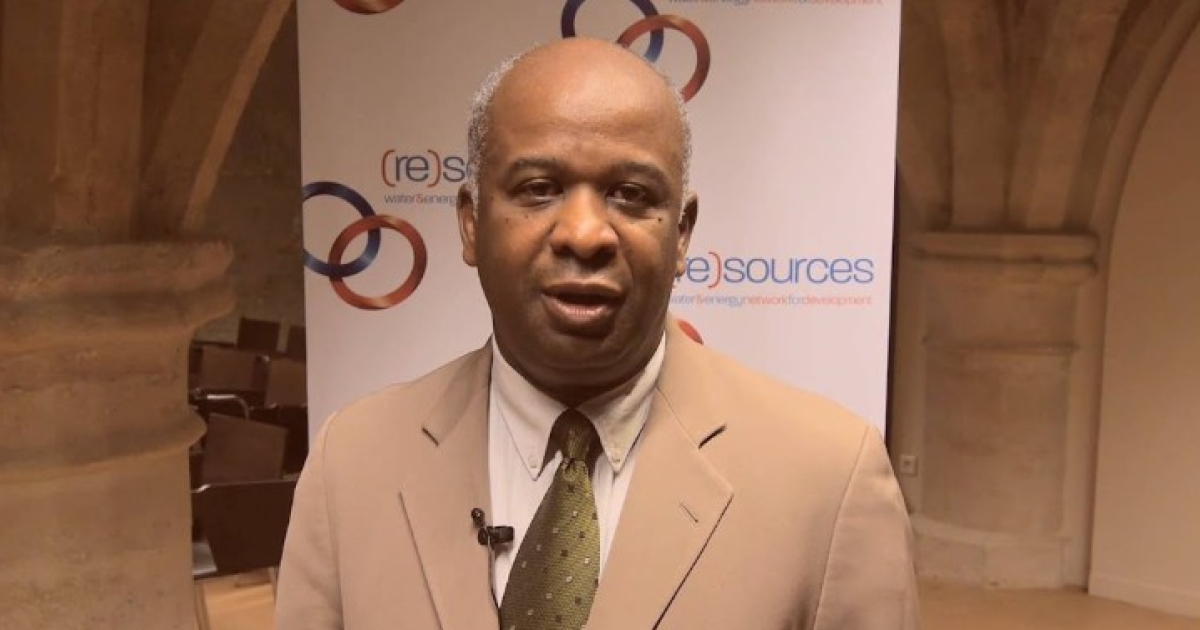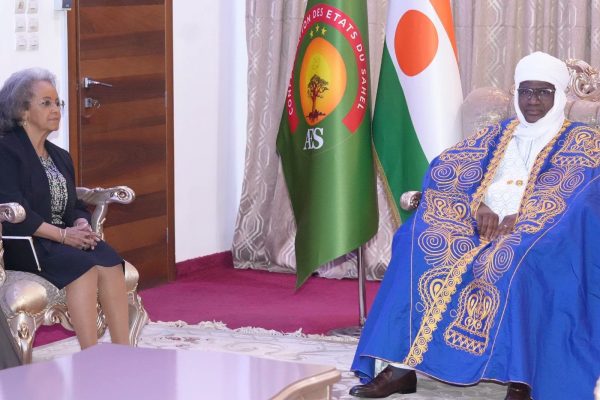
In a significant diplomatic engagement, Niger’s leadership has taken center stage in shaping the future of the United Nations Office for West Africa and the Sahel (UNOWAS). At the heart of this dialogue in Niamey was Dr. Mamoudou Harouna Djingarey, Chair of the National Advisory Council for Refoundation (CCR), who welcomed Sahle-Work Zewde, former President of Ethiopia and head of the Independent Strategic Review (ISR) mission for UNOWAS. The meeting reflects Niamey’s commitment to asserting its perspective on the evolving role of the UN body amid shifting regional dynamics.
The Nigerien agenda: sovereignty, stability, and regional cooperation
During the meeting, Dr. Djingarey outlined the CCR’s mission to support Niger’s refoundation process, emphasizing three core pillars: strengthening national sovereignty, fostering social cohesion, and advancing lasting peace. These priorities, he noted, are intrinsically linked to addressing the Sahel’s most pressing challenges—security threats, political transitions, and humanitarian crises. The discussions also explored avenues for improved governance, conflict prevention, and regional collaboration between West African and Sahelian states.
UNOWAS under scrutiny: adapting to a transformed Sahel
Sahle-Work Zewde’s visit is part of a broader evaluation to assess UNOWAS’s effectiveness and realign its mandate with the region’s new realities. The Sahel today faces escalating security risks, political upheavals, and development hurdles that demand a recalibrated response from international actors. The ISR mission aims to gather insights from national leaders to inform recommendations on how UNOWAS can better serve the subregion’s evolving needs.
Niamey’s diplomatic stance: sovereignty as a guiding principle
The engagement underscored Niger’s approach to international partnerships—one that prioritizes dialogue grounded in mutual respect and respect for national sovereignty. Abdou Moustapha, General Rapporteur of the CCR, joined the meeting, reinforcing the message that cooperation with global organizations must align with Niger’s strategic choices. The talks concluded with Sahle-Work Zewde acknowledging the quality of the exchange and the value of Niger’s contributions to the ISR’s findings.
Looking ahead: redefining UNOWAS in a changing landscape
The ISR’s conclusions, informed by consultations across the region, are expected to play a pivotal role in redefining UNOWAS’s future operations. As the Sahel navigates its most complex challenges in decades, this review could shape how the UN body adapts its strategies to support stability, development, and peace in West Africa and the Sahel.