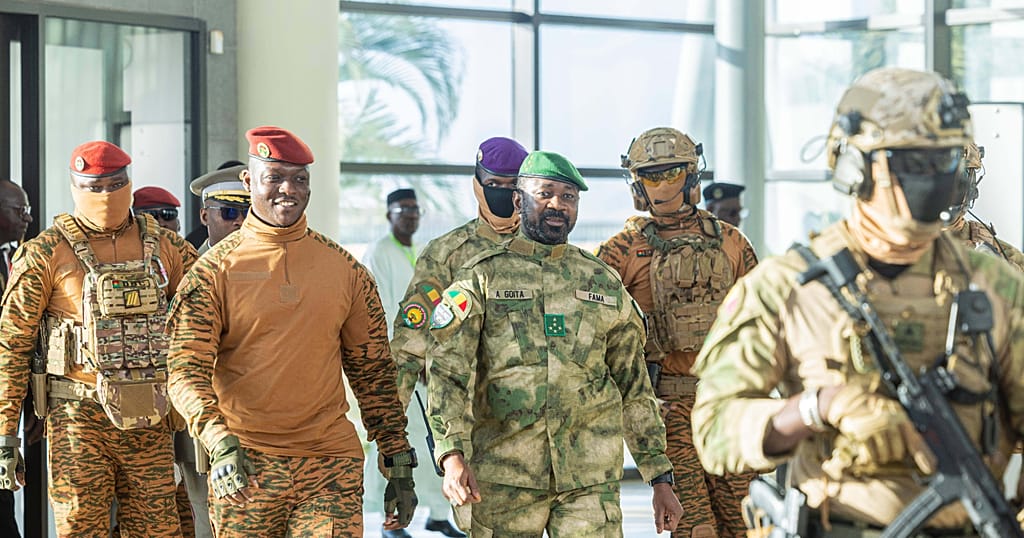
In Bamako, an uneasy calm persists following the violent incidents of April 25, which resulted in the death of General Sadio Camara, the second-highest ranking figure in Mali’s military leadership. Authorities have raised serious concerns about the security situation and the integrity of the transitional government.
The Malian Armed Forces held a press briefing to detail what they describe as a meticulously planned attempt on the lives of key national leaders, including President Assimi Goïta. According to military officials, the attack involved multiple explosive-laden vehicles deployed in a coordinated manner. Speaking on behalf of the armed forces, Deputy Director of Public Relations Commander Djibrila Maiga revealed that one of the vehicles was specifically targeted toward the presidential residence. This malicious plot was designed to eliminate our leaders and destabilize the state, he stated.
In a parallel development, Burkina Faso’s media regulatory body has taken decisive action by suspending broadcasts of TV5Monde. The move comes after allegations that the international French-language network had contributed to the glorification of terrorism and undermined Mali’s governing institutions. The decision reflects growing regional frustration with perceived foreign media bias in covering security crises across the Sahel.
Public reactions in Ouagadougou reflect a divided perspective. Some residents support the suspension, arguing that media outlets must not become platforms for terrorist propaganda. No channel that spreads extremist ideologies should be allowed to operate here, commented local resident Flore Guigma. Others criticize what they see as a pattern of condescending and distorted coverage of Sahel nations. Their reporting often lacks nuance and perpetuates stereotypes about our region, said Serge Théophile Bancé, a media observer.
International press freedom advocates have also voiced concerns. Reporters Without Borders condemned the decision, calling it arbitrary and warning that it further restricts press freedom in Burkina Faso. Since the 2022 coup led by Captain Ibrahim Traoré, several major international news organizations—including Le Monde, LCI, France 24, RFI, BBC News, and Voice of America—have faced suspensions or restrictions on broadcasting in the country.