Alleged atrocities in central Mali: what happened in Kamona and Balle
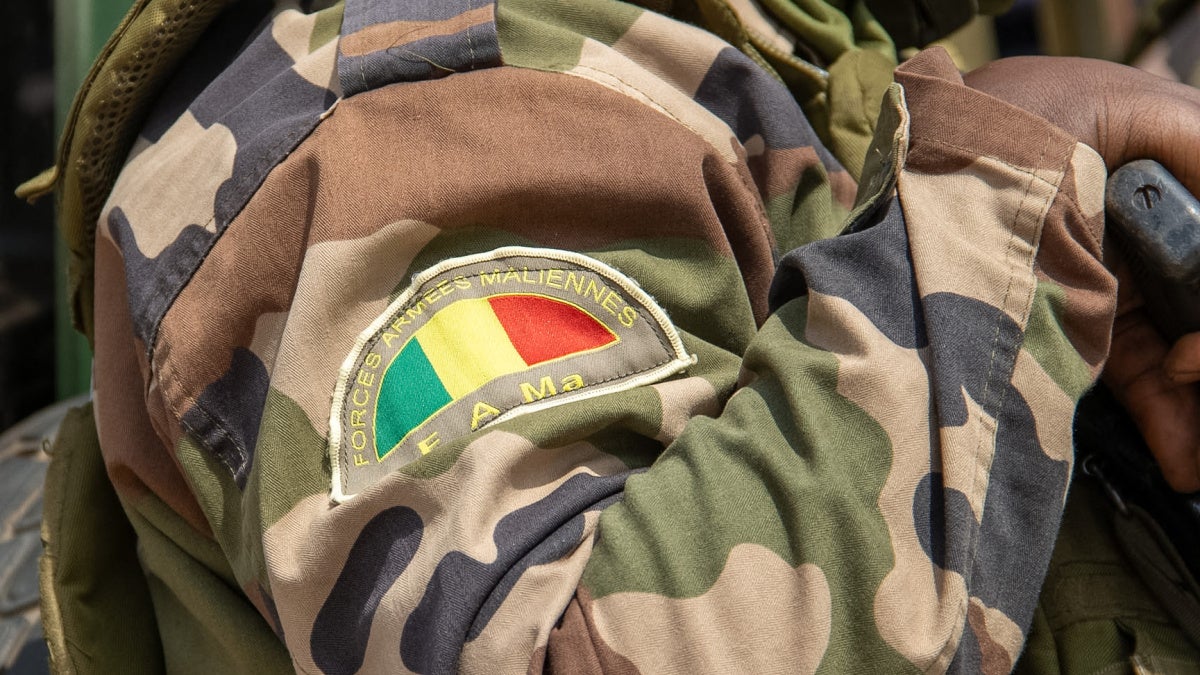
Nairobi – The Malian army and allied militias are alleged to have killed at least 31 civilians and set fire to homes during raids on two villages in the Ségou region on October 2 and 13, according to a report by Human Rights Watch.
October 2: Kamona massacre leaves 21 dead
On October 2, Malian soldiers and Dozos militiamen – traditional hunters mostly from the Bambara ethnic group – entered the village of Kamona in central Mali. Witnesses reported that the Group for the Support of Islam and Muslims (JNIM), an Al-Qaeda-linked jihadist group, had warned villagers of the army’s approach, prompting many to flee.
Those who remained were reportedly rounded up and executed. At least 10 homes were burned down. Survivors described finding 17 bodies under a tree and four others north of the village, all with gunshot wounds. A 40-year-old shepherd recounted discovering the bodies after the attackers left: “People had been riddled with bullets. One man’s head was completely crushed.”
The Malian military has denied targeting civilians, claiming its operations were aimed at neutralizing “terrorists.” However, witnesses insist no clashes occurred before the executions.
October 13: Balle village targeted, 10 more killed
Just days later, on October 13, Malian troops and Dozos militiamen entered Balle, a village reportedly under JNIM control. According to testimonies, soldiers went door-to-door, assaulting men and stealing over 100 cattle. Ten civilians, including a 55-year-old woman, were killed. A 33-year-old man found the bodies in the village center: “They were lying side by side, riddled with bullets. Some had broken limbs.”
The woman’s daughter described how soldiers shot her mother after she confronted them. The military later claimed the operation neutralized “around twenty terrorists” and seized weapons, though no independent verification supports these assertions.
Context and accountability: a cycle of violence in central Mali
Since 2012, Mali has grappled with an insurgency by Islamist armed groups, including the JNIM. The conflict has displaced over 400,000 people and claimed thousands of civilian lives. Both state forces and jihadist groups have been accused of war crimes, including extrajudicial killings and destruction of property.
Human Rights Watch investigators conducted phone interviews with 10 sources, including survivors and local leaders. The organization urged Malian authorities to conduct transparent investigations and hold perpetrators accountable. As of the report’s publication, no response had been received from Mali’s Defense or Justice ministries.
The attacks occurred amid a JNIM siege on Bamako, which cut off fuel supplies and forced the military junta to shutter schools and universities. International humanitarian law prohibits attacks on civilians, torture, and unlawful executions. While Mali withdrew from the International Criminal Court (ICC) in 2025, it remains bound by the Rome Statute until September 2026. The ICC opened an investigation into alleged war crimes in 2013.
Calls for regional action amid escalating violence
The African Union (AU) has faced criticism for its limited response to Mali’s deepening crisis. Ilaria Allegrozzi, Senior Sahel Researcher at Human Rights Watch, stated: “The AU Peace and Security Council must prioritize Mali. It should convene regular briefings, strengthen diplomatic efforts, and coordinate accountability measures for abuses by all parties.”
As the conflict intensifies, the need for urgent intervention to protect civilians and uphold justice grows ever more pressing.