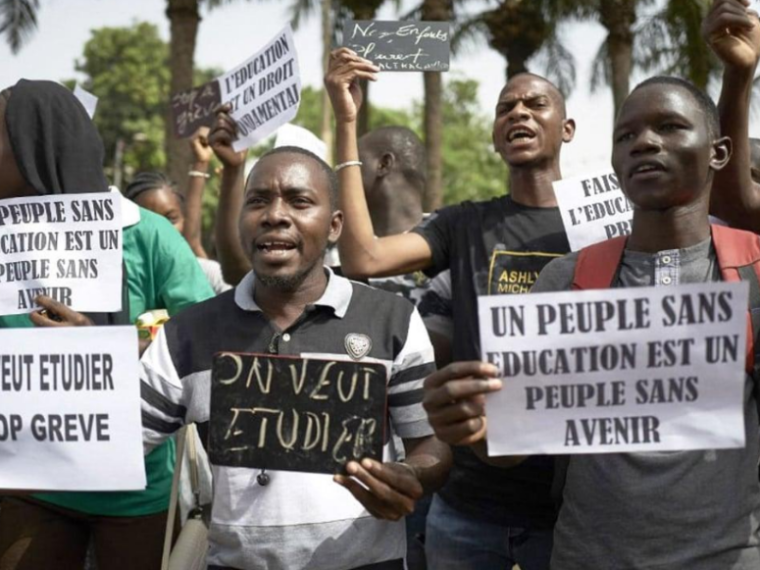
After 21 days of sustained strike action, Mali’s higher education sector faces a critical juncture as university lecturers secure a landmark meeting with top transitional leaders. The confrontation between academic staff and authorities escalated sharply after striking researchers demanded immediate payment of a long-overdue research bonus scheduled for implementation in 2017.
State-level talks resume as three-week impasse fractures
The Syndicat national de l’enseignement supérieur et de la recherche scientifique (SNESUP) confirmed late Sunday that its executive committee had been received by senior members of the transitional administration. This marks the first direct engagement at the highest government level since the dispute erupted on October 26, breaking weeks of official silence.
While the content of discussions remains undisclosed, the development signals a potential shift in how the crisis is managed. The union has committed to briefing its members before outlining next steps, with no enforcement of the bonus payment yet secured.
An unpaid promise dating back to 2017
The crux of the conflict lies in a presidential decree signed nearly nine years ago. Presidential Decree No. 2017-0850/P-RM, adopted October 9, 2017, established a structured research allowance for lecturers. Despite being legally mandated, the regulation has never been enforced, leaving university staff in limbo without access to promised supplementary income.
SNESUP’s demands focus on:
- Immediate implementation of the research bonus as outlined in the decree
- Clear guidelines on payment schedules and frequency
- Back-payment for all missed installments since 2017
The allowance was designed to support academic research, publication outputs, and knowledge dissemination—core activities central to the mission of higher education institutions.
Campus paralysis deepens student uncertainty
With each passing week, the disruption spreads beyond teaching staff. Academic calendars are suspended, final exams postponed, and student progress stalled across multiple disciplines. The prolonged work stoppage threatens to derail entire academic years for thousands of learners whose academic trajectories depend on timely completion of programs.
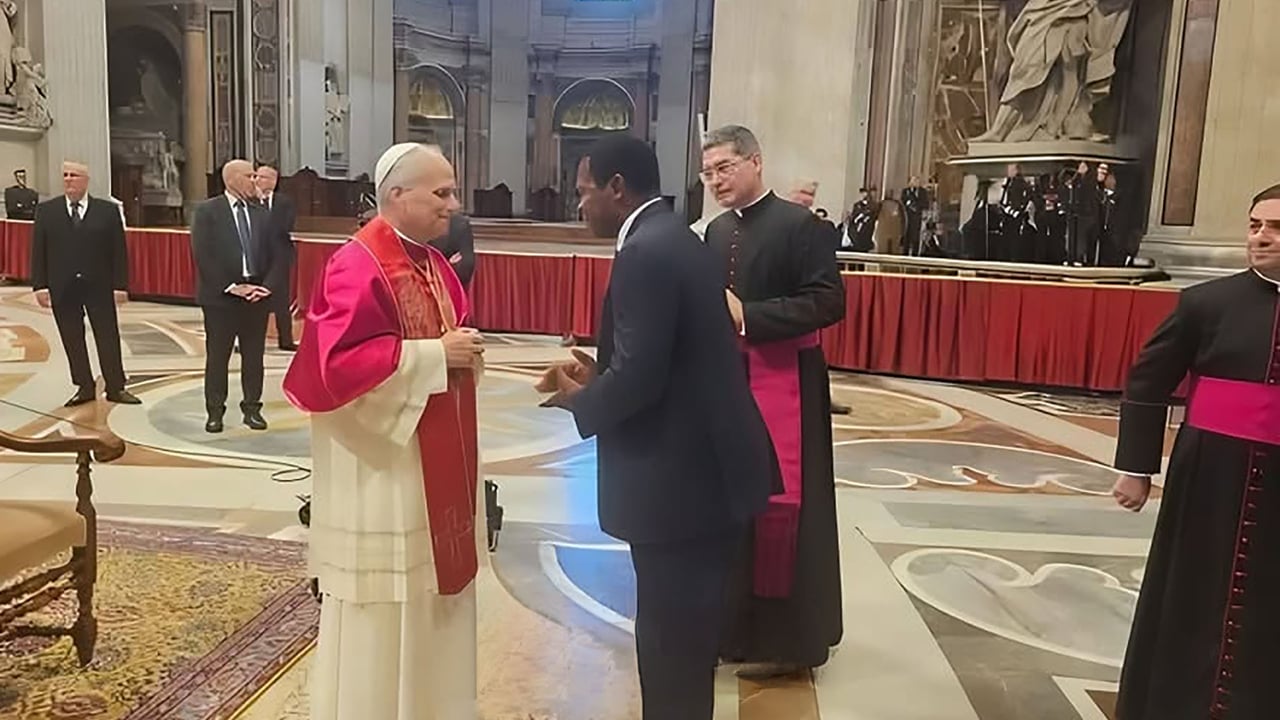
Earlier mediation efforts, including a November 7 dialogue involving religious and community leaders, failed to produce a resolution or halt the strike. The current talks at the presidential level introduce a new dimension—one that raises expectations but offers no immediate guarantee of resolution.
Strike continues despite initial dialogue
The SNESUP reaffirmed its commitment to strike action with no suspension of activities. Union leaders emphasized that preliminary discussions, while historic, do not equate to binding commitments or the resolution faculty expect.
For lecturers, the issue is no longer just about financial compensation—it symbolizes a broader failure by the state to honor legally enacted policies. The demand stems from a regulatory framework already in place, not a new or political demand.
The strike enters its fourth week with momentum gathering, but uncertainty remains. As authorities attempt to convert dialogue into actionable policy, the future of Mali’s university system hangs in the balance—caught between delayed justice and the ticking clock of an academic calendar.