China conducts unprecedented naval drill near Taiwan with over 100 ships
Beijing has escalated its military posture around Taiwan by deploying more than 100 naval vessels in a series of previously undisclosed exercises conducted in the Western Pacific. Military sources in Taipei report that these operations, which took place in early November, involved vessels from multiple Chinese naval commands, including the Liaoning carrier strike group. The scale and coordination of the deployment suggest a deliberate effort to test operational readiness across a vast maritime area, raising concerns among regional allies.
Taiwanian security official warns of missile launch from Chinese submarine
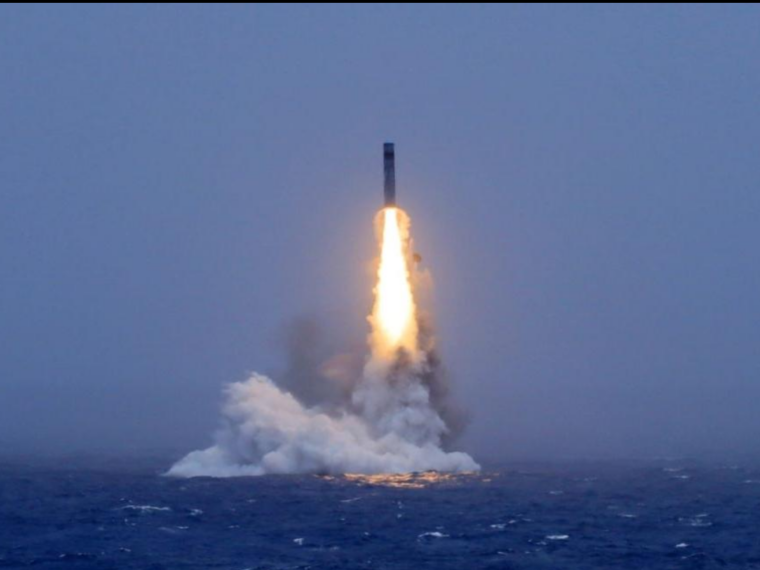
A senior Taiwanese security official disclosed that a Chinese submarine launched what was believed to be an intercontinental ballistic missile during the drills. While unconfirmed, this claim—if accurate—would mark a significant escalation in China’s strategic capabilities. Submarine-based ballistic missile launches are notoriously difficult to detect, underscoring Beijing’s growing confidence in its naval deterrence.
The alleged launch reportedly occurred in the Yellow Sea, with the projectile reportedly impacting within Chinese territorial waters. The absence of official confirmation from Beijing leaves room for skepticism, but the nature of the claim itself signals a new level of military signaling in the region.
Exercises designed to simulate blockade and regional control
The maneuvers included simulations of multiple scenarios: encircling Taiwan, securing maritime choke points, neutralizing enemy forces, and projecting power across the Western Pacific. Taiwanese officials warn that such exercises may be rehearsing the mechanics of a future blockade—one that could be enforced without triggering full-scale conflict.
As of November 13, approximately 70 Chinese ships remained within the first island chain, a strategic corridor that includes Japan’s southern islands and Taiwan’s eastern approaches. This persistent presence underscores the long-term nature of China’s military pressure.
Diplomatic reactions grow as Beijing remains silent
Despite the scale of the operations, Chinese authorities have not issued any official announcement regarding the drills. Taiwanese analysts describe this approach as “stealth intimidation”—a strategy designed to exert psychological pressure without provoking immediate international backlash. By avoiding public declarations, Beijing may be testing the limits of regional surveillance and measuring responses from Tokyo, Washington, and Western allies.
The timing of the exercises is also notable, occurring just days before the APEC summit in Shenzhen. While no direct link has been confirmed, the proximity raises questions about whether the timing was deliberate.
Regional allies brace for potential fallout
The potential consequences of a sustained Chinese naval presence extend beyond the Taiwan Strait. Japan, which sits astride key maritime trade routes, faces heightened risks to energy supplies and commercial shipping. The United States, whose forces operate from bases in the region, would also be directly impacted in the event of a blockade or conflict.
No evidence suggests that the alleged missile was aimed at Japan or allied territories. However, the broader military buildup increases the risk of miscalculation and unintended escalation, especially as foreign navies continue routine patrols in contested waters.
The G7 issues joint warning amid rising tensions
On November 11, foreign ministers of the G7 issued a strong statement expressing concern over Chinese military activities east of Taiwan. They highlighted risks to regional stability, freedom of navigation, and international maritime security. While the statement signals growing Western unease, its practical impact remains uncertain in the face of China’s expanding military posture.
Taiwan faces a new era of sustained pressure
These exercises do not indicate an imminent invasion, but they reveal a troubling shift: China now possesses the military capacity to exert simultaneous pressure on Taiwan and deter external intervention. The combination of large-scale naval deployments, simulated attacks on foreign targets, and alleged missile launches paints a picture of strategic coercion rather than symbolic posturing.
For Taipei, the challenge is clear: anticipate and counter a strategy designed to erode its autonomy over time—without the initiation of open war. In this fragile equilibrium, the question lingers: how far will Beijing go to assert control over the Taiwan Strait?