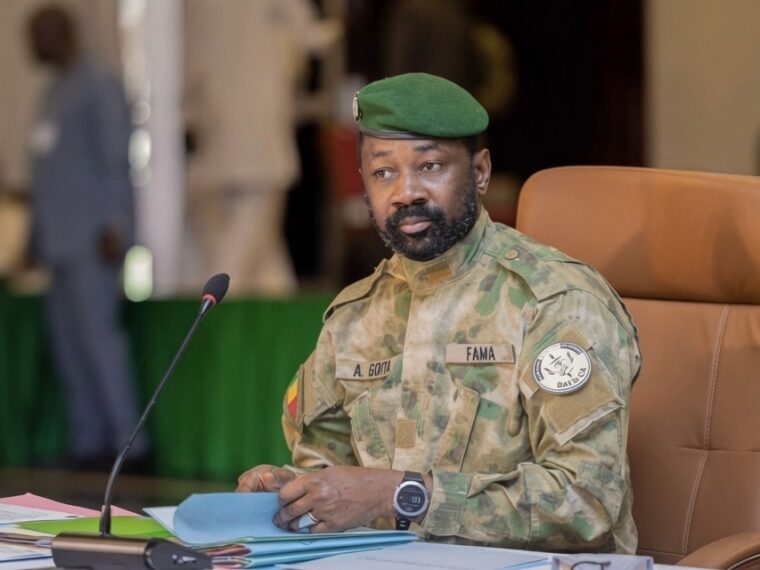
Mali’s military-led government pledged a swift return to sovereignty when it took power in 2020, but the promise of stability has given way to a grim reality. In its relentless hunt for armed groups, the Malian Armed Forces (FAMa), backed by Russian mercenaries from Africa Corps, have systematically violated international humanitarian law, turning the fight against terrorism into a nightmare for civilians.
Broken promises and ignored legal standards
The Malian state is bound by decades of international commitments. The Geneva Conventions, ratified in 1965, and their 1989 Additional Protocols for non-international armed conflicts set clear obligations: protecting civilians, prohibiting degrading treatment, and ensuring humane treatment of detainees. Past military leadership even mandated human rights training in barracks. Yet today, the gap between official doctrine and battlefield orders has never been wider. Brutality is no longer an anomaly—it’s standard procedure.
Documented carnage: the human cost of Mali’s war
Hard evidence exposes a devastating pattern of abuse. Investigations reveal summary executions, mass looting, and entire villages razed in central and northern Mali, all linked to government forces and their allied mercenaries. Records from leading human rights organizations detail arbitrary killings, torture (including waterboarding and electric shocks), and enforced disappearances. Peul communities bear the brunt, caught between jihadist violence and state repression.
After MINUSMA’s exit: justice unchecked and violence uncontrol
The forced withdrawal of the UN peacekeeping mission (MINUSMA) in late 2023 wasn’t just a nationalist move—it was a calculated step to eliminate oversight. With international monitors gone, the junta gained unchecked power in conflict zones. Remote monitoring by NGOs exposed a surge in violations the following year, confirming that impunity had become institutional policy.
Diplomatic failure leaves civilians without recourse
Accountability is vanishing as fast as rights are violated. The International Criminal Court’s exit from Mali, along with a politically compromised justice system, closes legal doors. Regional bodies offer only hollow statements: the African Union resorts to muted formalities, while ECOWAS focuses narrowly on constitutional order—leaving Bamako’s tactics unchallenged.
Losing the war by violating the rules
By replacing strategy with terror, Mali’s military leadership is making a fatal miscalculation. Heavy-handed tactics don’t quell insurgency—they fuel it. Civilians, brutalized and abandoned, increasingly see armed groups as their only protectors. When a government sacrifices its people in the name of security, it forfeits the one thing that can make it legitimate: the moral right to govern.