Between the hammer and anvil of security and unity
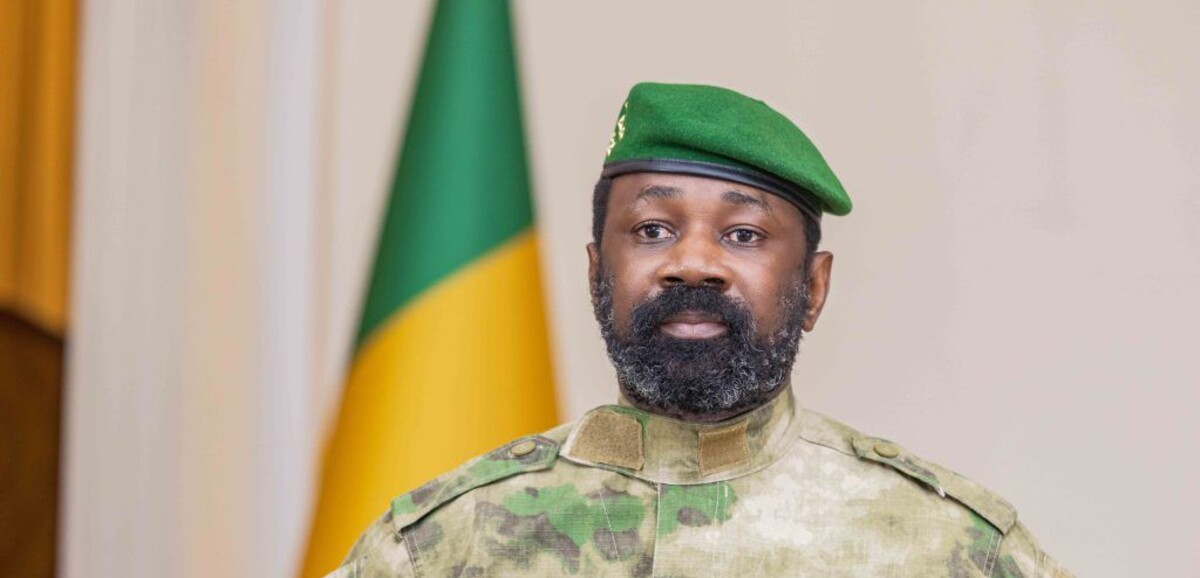
In a televised address marking Mali’s 66th Independence Day, General Assimi Goïta struck a delicate balance between two competing imperatives: waging a more aggressive campaign against armed jihadist groups while extending an olive branch to disaffected citizens. The president framed his approach as a simultaneous defense of national sovereignty and an appeal for internal reconciliation, declaring, “Our firm commitment to defending our territory’s integrity and national unity remains unwavering, even as we remain open to dialogue and reconciliation among Malians.”
The timing of this address could hardly be more critical. Recent weeks have seen a dramatic escalation in attacks against Malian military positions, culminating in one of the deadliest incidents in recent memory. On September 10th, a coordinated assault on the Dioura military camp in central Mali resulted in over 100 soldier fatalities and numerous others taken captive.
The JNIM’s expanding threat and the military’s mounting losses
The Group for the Support of Islam and Muslims (JNIM), Al-Qaeda’s West African affiliate, has claimed responsibility for multiple attacks in recent weeks. These operations have not only inflicted heavy casualties but also exposed vulnerabilities in the Malian army’s defensive capabilities. The Dioura attack, in particular, represents a significant setback for a military that has been engaged in counter-terrorism operations for several years without achieving decisive victories.
The president acknowledged these setbacks in his address, paying tribute to fallen soldiers while vowing to strengthen the armed forces. “In this context, our fight against insecurity and armed terrorist groups will intensify further,” Goïta declared, signaling a potential escalation in military operations.
International alliances and the shifting security landscape
Goïta’s security strategy appears to be evolving alongside Mali’s international partnerships. While Western forces have gradually withdrawn from the country, cooperation with Russia has intensified, with Moscow emerging as Bamako’s principal military ally. This shift reflects Mali’s broader realignment in its security alliances, though it remains unclear how this new dynamic will impact the ongoing conflict.
The president’s call for national reconciliation comes at a moment when the country’s divisions—both ethnic and political—have become more pronounced. By framing his military campaign as compatible with an appeal for national unity, Goïta is attempting to present a comprehensive strategy that addresses both immediate security concerns and the long-term stability of the nation.
As Mali celebrates its independence, the questions surrounding Goïta’s dual strategy are impossible to ignore: Can a military surge against jihadist groups coexist with meaningful reconciliation efforts? And will this approach ultimately stabilize a country that has been mired in conflict for years?