Mali’s Independence Day: Opposition Leader Fakaba Sissoko Demands Accountability from Those Who Seized Power
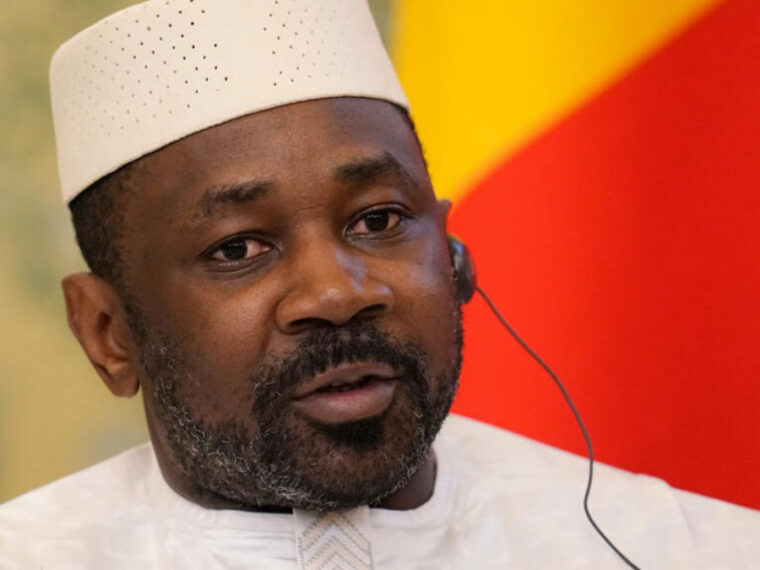
On September 22, Mali celebrated its Independence Day, a national milestone marking 66 years since gaining sovereignty. In a televised address on September 21, the transitional president, General Assimi Goïta, celebrated the state of the nation’s economy, vowed to intensify efforts against armed terrorist groups, and emphasized the need for national reconciliation. Goïta, who rose to power through a military coup over six years ago without elections, remains in office with support from the Russian-backed Africa Corps, while also promoting Mali’s progress within the Alliance of Sahel States (AES) toward greater sovereignty.
“Malians Deserve Tangible Results”
Not everyone shares General Goïta’s optimism. Opposition figures, particularly those silenced within Mali, have voiced sharp criticism. Among them is Etienne Fakaba Sissoko, a scholar turned vocal critic, now living in exile. As spokesperson for the Coalition of Forces for the Republic (CFR), led by Imam Dicko, Sissoko represents a growing movement of exiled Malian politicians and civil society leaders opposing the current regime.
Sissoko, speaking to David Baché, expressed disappointment with Goïta’s speech, which tied the nation’s 66th Independence Day celebration to the transitional government’s performance. “One can deeply love Mali, support our soldiers, and defend our sovereignty without ignoring the need to hold those in power accountable,” he stated. “The people of Mali are waiting for real results—safe mobility, jobs, reliable electricity, freedom, and a clear political future.”
He went further, questioning the regime’s reliance on Russian military support: “By omitting any mention of Russia and the outcomes of this military partnership in his speech, General Goïta effectively admits failure. The consequences are clear. Just days ago, the attack on Dioura base by Jnim terrorists—linked to al-Qaeda—resulted in over a hundred Malian soldiers killed and dozens taken captive.”
“A Nation in Decline: No Cause for Celebration”
Sissoko painted a bleak picture of Mali’s current state: “Today, Mali is a nation in mourning. The level of decay in our country has reached historic lows under this regime. I cannot celebrate Independence Day with pride. Instead, I mourn—a nation betrayed by those sworn to govern it.”
His remarks underscore the growing discontent among Malians both at home and abroad, as the transitional government faces mounting pressure to deliver on promises of security, stability, and democratic renewal.