Unprecedented mobilization in Ndélé as Russian operatives seek fresh recruits
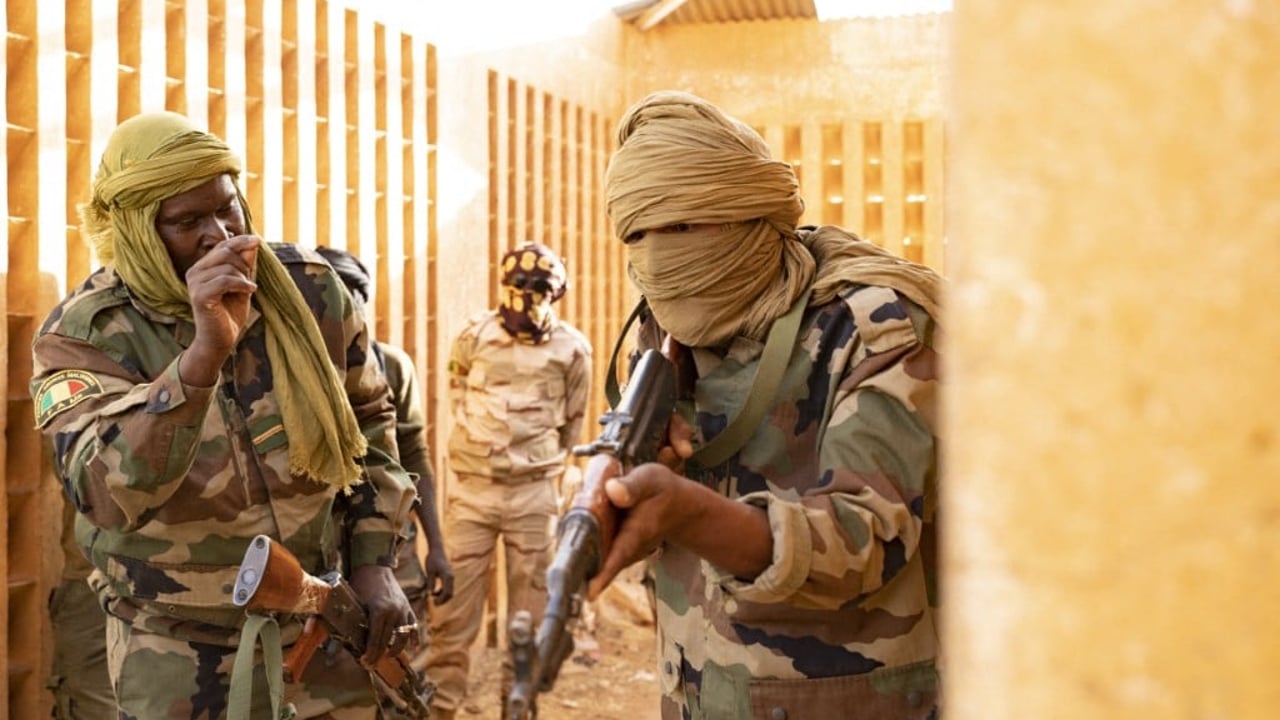
Local authorities in Ndélé, Central African Republic, have confirmed a sweeping effort by Russian-linked mercenaries to enlist over 1,000 young men from the region. The operation, unfolding over the past weeks, has raised concerns among residents and security observers about its long-term implications for local stability.
Scope of the recruitment campaign
The initiative targets individuals aged between 18 and 35, with promises of financial incentives and training in exchange for military service. Eyewitness accounts describe recruitment teams setting up temporary bases in key neighborhoods, where they conduct interviews and background checks before final selection. While some recruits cite economic necessity as their motivation, others express reservations about the nature of the group they would be joining.
The operation’s scale suggests a deliberate strategy to expand operational capacity, particularly in volatile regions where government forces face persistent challenges. The involvement of foreign mercenaries has been a contentious issue in Central African Republic’s ongoing security crisis, with critics arguing that such groups operate outside legal frameworks and accountability.
Reactions and concerns
- Local leaders have called for transparency, urging the government to clarify the legal basis for foreign military presence and the terms of engagement for recruited youth.
- Civil society representatives warn that unchecked mercenary activities could exacerbate tensions, particularly in areas already struggling with intercommunal conflicts.
- Residents report mixed reactions—some see the recruitment as an opportunity for employment, while others fear the potential for prolonged instability.
The development comes amid broader debates over the role of foreign actors in Central African Republic’s security sector. Analysts emphasize the need for oversight to ensure that any military assistance aligns with the country’s long-term stability goals, rather than serving narrow geopolitical interests.
What’s next?
As the recruitment drive continues, questions remain about the training programs, deployment timelines, and the legal status of those enlisted. Authorities have yet to issue detailed statements on how these recruits will integrate into existing security structures—or the safeguards in place to protect their rights.
The unfolding situation in Ndélé underscores the complex challenges facing Central African Republic as it navigates a precarious security landscape shaped by both internal and external forces.