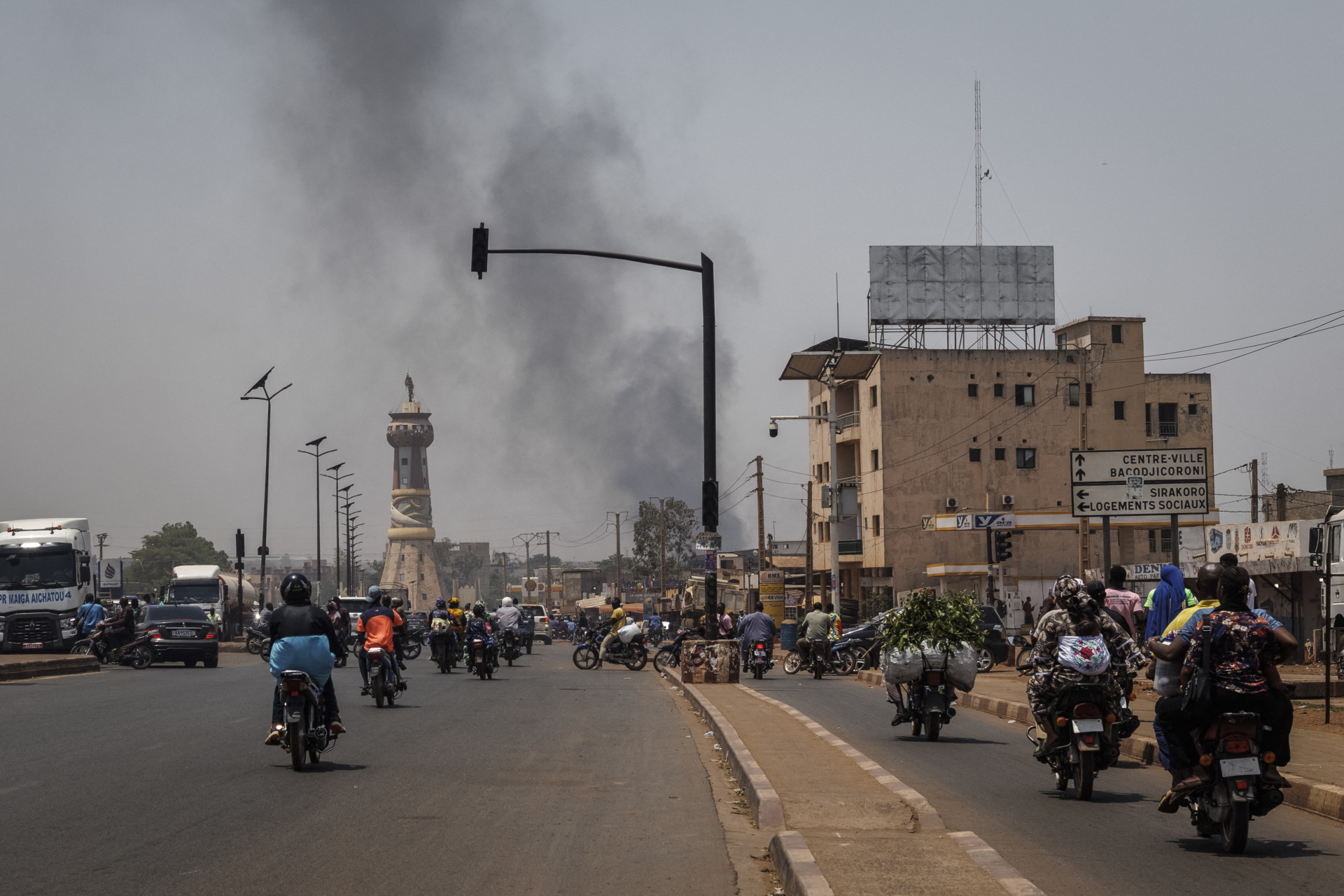
The Bénin has recently become the latest African nation to face a military takeover attempt, joining a troubling trend that has swept across the continent since 2020. This incident, which unfolded over several hours on a Sunday, underscored the fragility of democratic institutions in Afrique de l’Ouest and beyond.
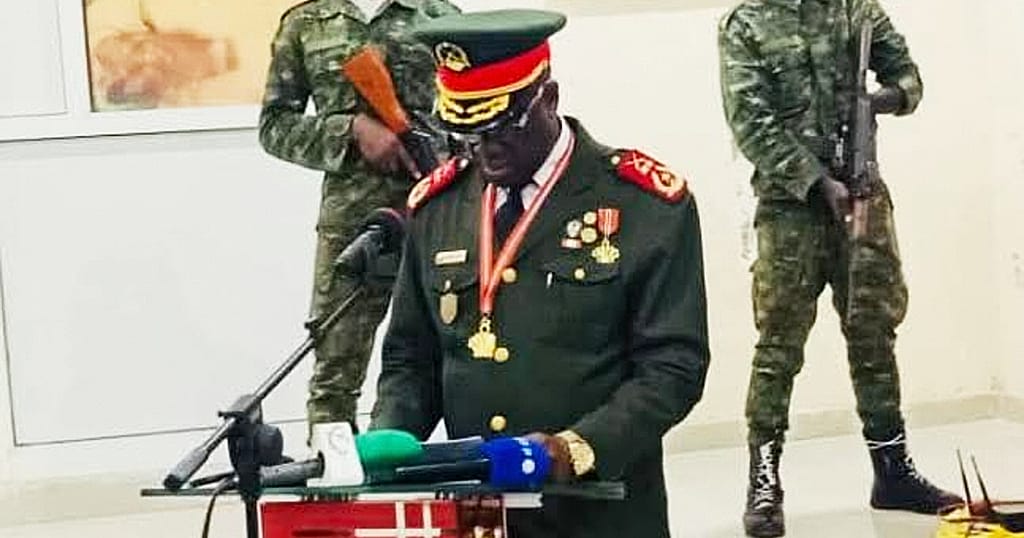
A group of soldiers broadcast their actions on state television, declaring the removal of President Patrice Talon and the dissolution of the government. However, Alassane Seidou, the Interior Minister, swiftly countered the move, stating in an online video that the coup d’État had been thwarted. The mutineers were accused of attempting to destabilize the state, while the military reaffirmed its commitment to the Republic.
The following timeline highlights the wave of military takeovers across Africa, driven by contested elections, constitutional upheavals, escalating security crises, and widespread youth discontent:
Mali: two coups in less than a year
Mali has experienced two successful military coups since August 2020. In the first, soldiers mutinied near Bamako, arresting high-ranking officers amid protests demanding the resignation of President Ibrahim Keïta, who faced accusations of corruption and failure to combat armed groups. The coup led to a power-sharing agreement between Colonel Assimi Goïta and civilian leader Bah Ndaw, with Goïta serving as vice president of the transitional government.
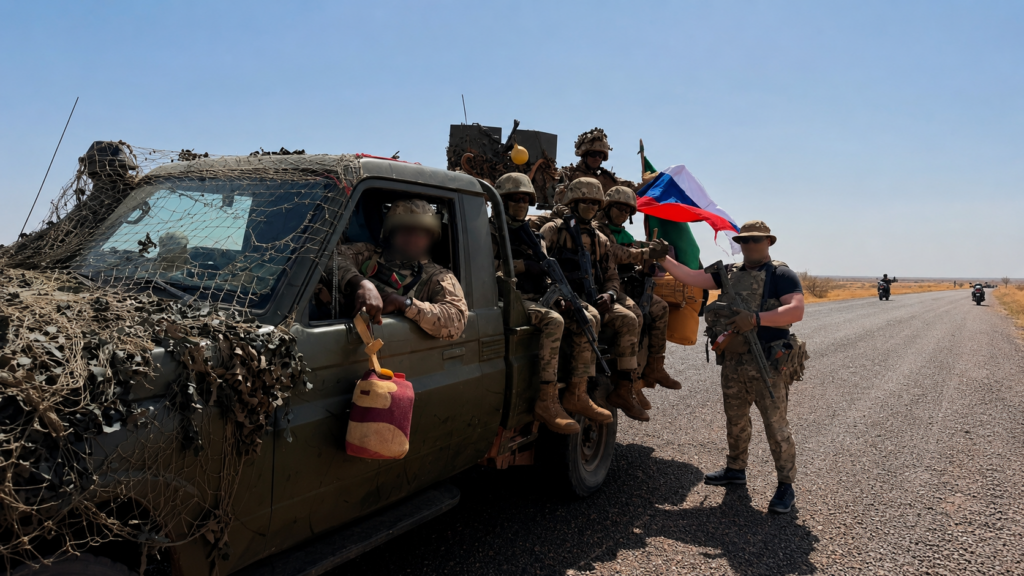
By May 2021, Goïta staged another takeover, removing Ndaw due to disagreements and installing himself as president. He further postponed elections to 2027, extending his rule. Mali, along with Burkina Faso and the Niger, has since formed a military alliance, rejecting the Economic Community of West African States (CEDEAO) and its push for a return to democratic governance.
Tchad: a dynasty’s grip on power
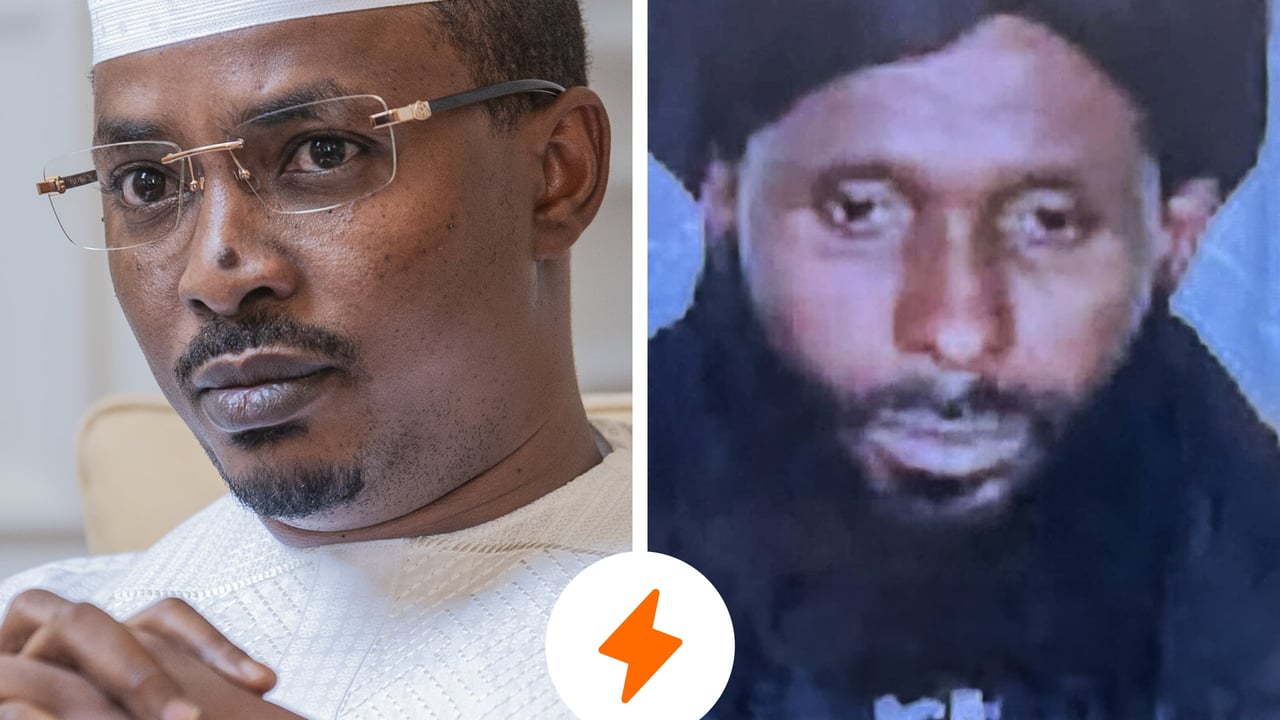
In April 2021, after the death of his father, General Mahamat Idriss Déby seized power in Tchad, continuing the decades-long rule of his family. Three years later, he organized an election—widely criticized as rigged—declaring himself the winner. Since then, Déby has intensified repression against dissent, including the imprisonment of opposition leader Succès Masra on charges carrying a 20-year sentence.
Guinée: ending a decade of rule
Alpha Condé, who had ruled Guinea for 11 years, was ousted in September 2021 by soldiers led by Mamady Doumbouya. Condé had previously altered the constitution to allow a third term. Doumbouya, now a civilian candidate in December elections, has extended the presidential mandate to seven years following a referendum, despite earlier promises of a swift transition.
Soudan: from revolution to civil war
In October 2021, General Abdel-Fattah Burhan led a coup in the Soudan, deposing Omar el-Béchir, who had ruled for 26 years. Burhan initially shared power with Muhammad Dangalo (Hemetti), leader of the Rapid Support Forces (RSF). However, their rivalry escalated into a devastating conflict in April 2023, described by the United Nations as one of the world’s most catastrophic wars—ongoing to this day.
Burkina Faso: instability fuelled by insecurity
Burkina Faso experienced two coups in 2022. In January, Roch Kaboré was overthrown by Lieutenant-Colonel Paul-Henri Damiba, who cited worsening security as the justification. By September, Captain Ibrahim Traoré removed Damiba, again citing the government’s inability to protect citizens. Traoré has since dissolved the independent electoral commission and remains in power.
Niger: a democratic setback
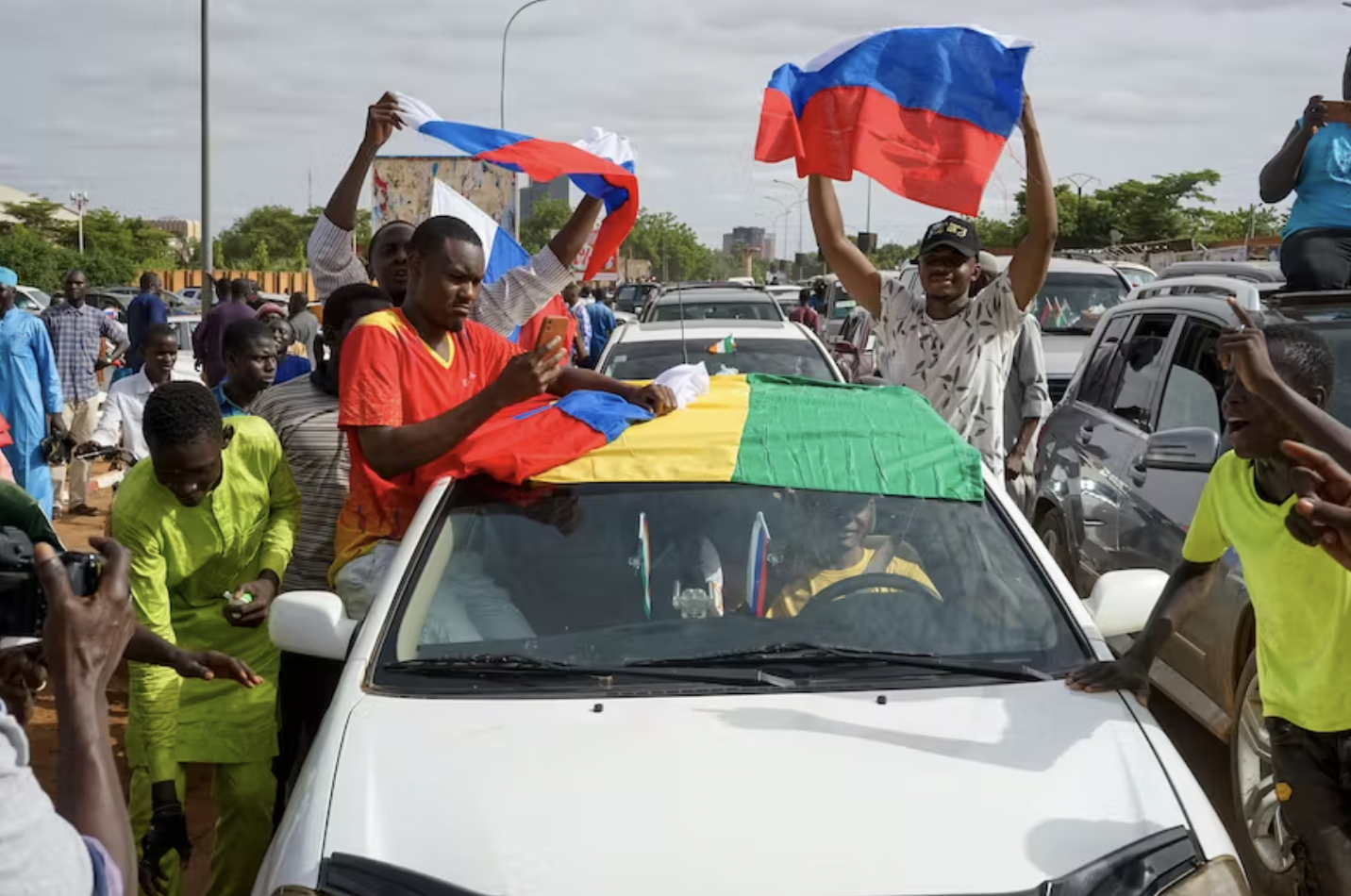
In July 2023, General Abdourahamane Tchiani overthrew President Mohamed Bazoum, ending a rare period of democratic stability in the Niger. The coup triggered a crisis within the CEDEAO, which threatened military intervention. In response, Niger allied with Burkina Faso and Mali to form the Alliance of Sahel States, further straining regional relations.
Gabon: a family’s fall from power
Just days after President Ali Bongo—in power for 14 years and running for a third term—was declared the winner of the 2023 election, soldiers announced a takeover on national television. They annulled the election and dissolved state institutions. Brice Oligui Nguema, a cousin of Bongo, assumed control and later won the presidential election in April.
Madagascar: unrest over basic services
In October 2025, frustrations over chronic water shortages and electricity blackouts led to mass protests in Madagascar, calling for the resignation of President Andry Rajoelina. Instead of stepping down, Rajoelina dissolved the government, which escalated into a military takeover in this Southern African nation.
Guinée-Bissau: an election marred by force
On November 26, 2025, soldiers in Guinée-Bissau seized power following a hotly contested presidential election three days prior. The opposition alleged the coup was staged to prevent the incumbent, Umaro Sissoco Embaló, from losing. After being freed and fleeing to neighboring Sénégal, Embaló appointed allies to key positions in the new military junta.
Bénin: thwarted coup amid growing regional tensions
Less than two weeks after the coup in Guinée-Bissau, soldiers in the Bénin attempted a similar power grab, firing shots near the presidential palace. A group calling itself the Military Committee for Rebuilding announced on state TV the removal of President Patrice Talon and the dissolution of state institutions, naming Lieutenant-Colonel Pascal Tigri as its leader. Hours later, authorities confirmed the coup had been foiled, with the military reaffirming its allegiance to the Republic.