Morocco maintains ceuta claims amid migration surge
Former Spanish ambassador warns of unresolved territorial dispute fueling tension
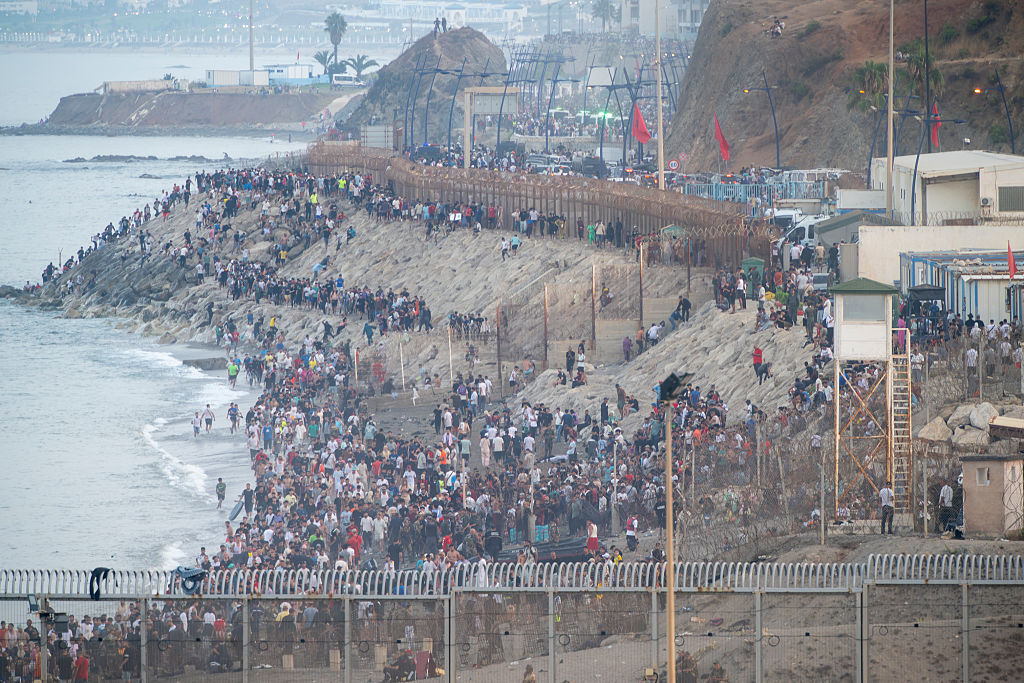
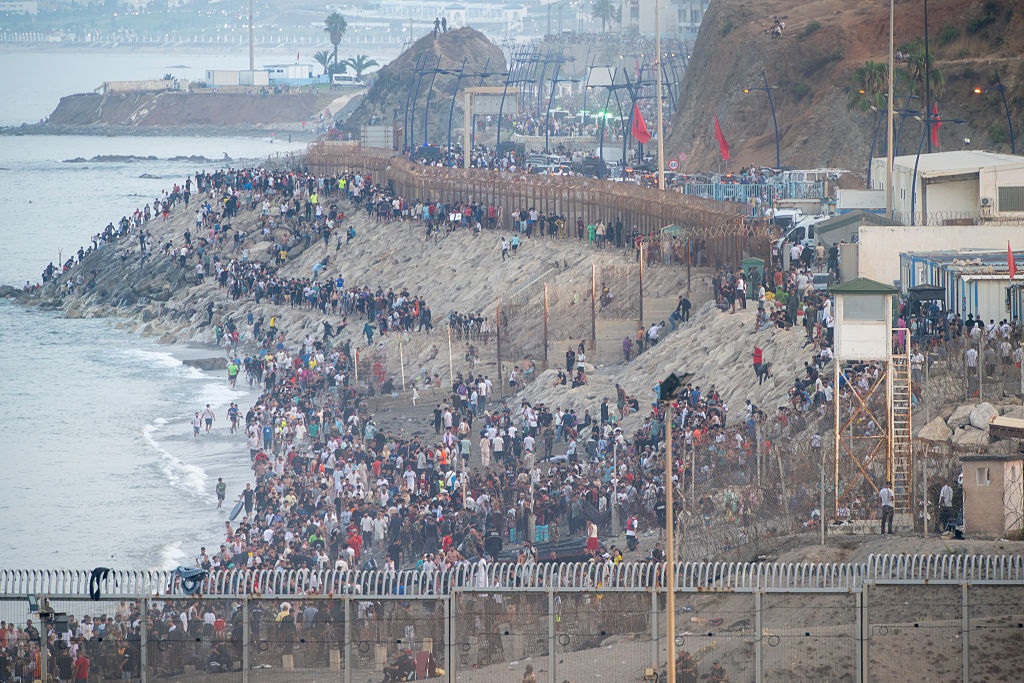
A former Spanish ambassador to Morocco has warned that the unresolved territorial dispute over Spain’s North African enclaves is a key factor behind the recent migrant surge into Ceuta. The influx of at least 72,000 people into the Spanish territory in late July has sent political shockwaves across Spain and Europe, while reigniting a long-standing border controversy.
Jorge Dezcallar, who previously served as Spain’s intelligence chief, emphasized that Rabat has never abandoned its claims over Ceuta and Melilla. These unaddressed tensions, he argued, provided fertile ground for the sudden and overwhelming migrant influx that overwhelmed Ceuta’s resources.
In his assessment, Dezcallar suggested that Morocco may be probing Madrid’s resolve at a time when it perceives Spain’s government as weakened by internal challenges. The left-wing administration of Prime Minister Pedro Sánchez faces mounting corruption scandals involving high-ranking officials and close associates, alongside policy disagreements with European allies over immigration and transatlantic relations.
An enduring territorial dispute
Spanish-Moroccan relations remain volatile, oscillating between cooperation and confrontation. Despite deep commercial ties and critical collaboration on migration control, counterterrorism, and regional security, historical grievances continue to resurface.
Moroccan officials and state-aligned media have recently intensified rhetoric on the sovereignty of Ceuta and Melilla, territories that have been under Spanish control for centuries—long before the modern Moroccan state existed.
«This issue remains active. We raise it every time we meet Spanish counterparts,» Justice Minister Abdellatif Ouahbi told Asharq News on Tuesday. «We remain firmly attached to our territories […] This is a matter we will resolve through dialogue and with patience,» he added.
Spain’s Defence Minister Margarita Robles swiftly responded, stating from Ceuta: «Let me be clear: Ceuta and Melilla are Spanish, fully and unequivocally. They are non-negotiable.»
The Spanish monarchy has never visited Ceuta or Melilla, and a Spanish foreign minister made the first official visit to either city in modern democratic history only this week—a move widely interpreted as an attempt to avoid provoking Morocco.
Madrid and Rabat both attribute the latest migrant crisis to criminal networks exploiting a July ruling by Spain’s Supreme Court that temporarily halted immediate deportations of arrivals in Ceuta and Melilla by sea.
Dezcallar cautioned that Spain lacks the capacity to prevent such surges, noting that this is not the first time Ceuta has faced such pressure. «There was, at the very least, some level of leniency or oversight by Moroccan authorities,» he observed.
Growing threats and historical tensions
Tensions escalated dramatically in 2021 when Spain allowed the hospitalization of Sahrawi leader Brahim Ghali. In retaliation, Morocco facilitated the entry of nearly 10,000 migrants into Ceuta, an act Spain’s Defence Minister described as «blackmail.»
«One mistake can be forgiven, but not two,» Dezcallar remarked, recalling Ceuta authorities’ prior warnings about a gradual rise in irregular arrivals. Intelligence sources recently alerted of a potential migrant surge on August 15, as calls to storm the city spread across social media. Police and Civil Guard unions confirmed the threat.
«Anyone believing Morocco will abandon its claims over Ceuta and Melilla is mistaken,» he concluded.