- Top Stories
- Politics
Morocco updates mobility and identity security regulations
The Moroccan government has taken decisive steps to modernize national security protocols and regulate urban mobility. In a cabinet meeting held in Rabat, two critical decrees were approved: one to upgrade the country’s biometric passport system and another to establish strict guidelines for the use of electric scooters on public roads.
The first decree, introduced by Interior Minister Abdelouafi Laftit, revises the 2008 legislation governing biometric passports. The updated framework introduces next-generation passports with advanced anti-fraud features, designed to enhance document integrity and showcase Morocco’s national identity.
According to government spokesperson Mustapha Baitas, the new passport will incorporate cutting-edge security measures to prevent counterfeiting and identity theft. The decree specifies that a joint order from the Interior and Foreign Affairs ministries will outline the issuance process, while existing biometric passports will remain valid until phased out gradually.
New traffic rules for electric scooters
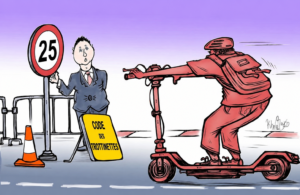
The second decree addresses the rapid growth of electric scooters by amending the national traffic code to include these vehicles. Key provisions include a 25 km/h speed limit, mandatory helmet use, and a ban on headphones or audio devices while riding to ensure full awareness of surroundings.
Additionally, children under eight years old are prohibited from operating electric scooters in public spaces. The regulation also mandates specialized equipment for transporting young children safely.
Balancing innovation with public safety
Government officials emphasize that these reforms are part of a broader effort to adapt to evolving urban mobility trends while prioritizing road safety. The new rules aim to curb risky behaviors and create a structured legal environment for alternative transportation methods in Moroccan cities.