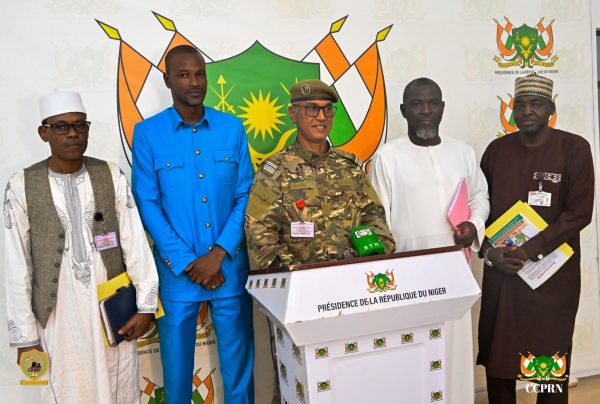
Niamey is witnessing a historic crackdown on financial misconduct as the fight against graft intensifies. On Wednesday, August 5, 2026, a high-profile ceremony unfolded within the presidential palace, attended by senior officials from the Supreme Council. The occasion marked the release of the first major financial report on the “Clean Hands” initiative, spearheaded by the National Anti-Corruption and Financial Delinquency Commission (COLDEFF). This specialized body was established to dismantle financial crimes and reclaim illicitly acquired assets for the benefit of the public.
The announcement sent shockwaves through government ministries and financial institutions across the capital. In a decisive move, authorities revealed that over 74 billion West African CFA francs have been reclaimed and deposited directly into the public treasury. This staggering sum reflects a significant surge in recovery efforts, with an additional 12 billion FCFA secured in just twelve months. Notably, the reported figure does not include seized land parcels, vehicle fleets, or other movable assets surrendered under duress by defaulters.
Financial penalties over incarceration: Niamey’s pragmatic anti-corruption approach
During a meeting with the COLDEFF leadership, the Head of State emphasized the government’s commitment to this bold strategy. The administration’s approach prioritizes fiscal penalties over imprisonment, aiming to rehabilitate rather than punish. Officials stressed that the focus remains on recovering public funds rather than pursuing punitive measures that could disrupt national stability.
“Our objective is not to fill the nation’s prisons. The punishment here is financial. It is the purse that must bear the cost of healing our country’s wounds.”
This measured yet firm stance underscores the government’s determination to maintain legality and uphold international credibility amid economic challenges. All accused parties are urged to repay their debts in full, with assurances that cooperation will preserve their dignity and standing in society.
As Niamey’s residents and global observers await further developments, one question looms large: How will these recovered billions be allocated? With Niger facing environmental and developmental hurdles, citizens are hopeful that these funds will translate into tangible improvements in daily life. Meanwhile, the COLDEFF has vowed to relentlessly pursue financial delinquency and dismantle corrupt networks.