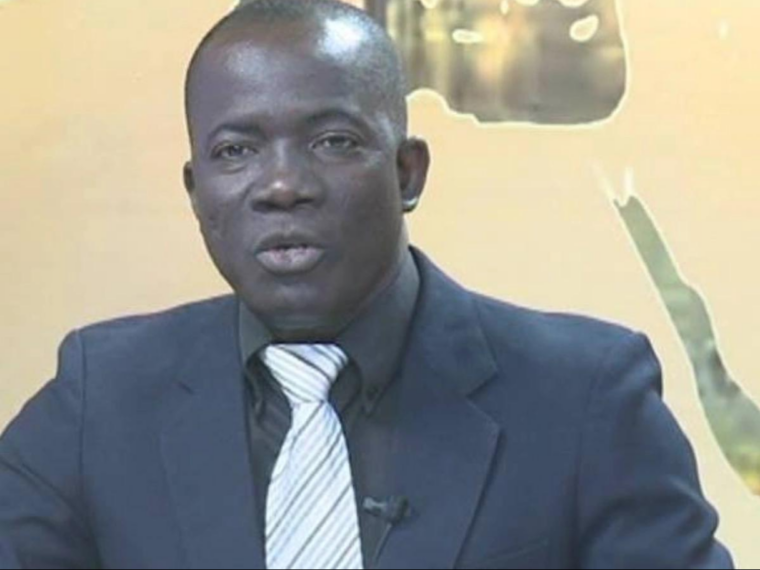
Niamey, November 11, 2026 — Journalists and human rights advocates breathed a tentative sigh of relief today as Niger released Serge Mathurin Adou, a Nigerien-Ivorian journalist who had spent over two years in custody on state security charges. While his family welcomes his return, the profession remains under siege amid escalating restrictions since the July 2023 military takeover.
From disappearance to detention: A journalist’s prolonged ordeal
The case of Serge Mathurin Adou traces back to September 1, 2024, when he vanished after reporting to a Niamey police summons. His relatives endured weeks of uncertainty before his whereabouts were confirmed. Addressing the media later, officials linked his detention to a supposed destabilization plot involving Burkinabè authorities, a claim that sparked international scrutiny.
By November 2024, the journalist faced formal charges of “undermining state security”. His trial concluded one year later with a two-year sentence, though prosecutors had sought a drastically harsher punishment. Today’s release closes a chapter of legal uncertainty yet leaves unanswered questions about due process and the handling of media-related cases under Niger’s current leadership.
The military regime’s tightening grip on Niger’s media landscape
The timing of Adou’s detention coincides with a broader crackdown on press freedoms following General Abdourahamane Tiani’s July 2023 coup. International watchdogs have repeatedly flagged a sharp decline in journalistic independence, citing arrests, forced suspensions, and a climate of self-censorship.
Among recent targets were high-profile figures such as Samira Sabou, Ousmane Toudou, and Soumana Maïga, all prosecuted for reporting on sensitive topics. In January 2024, authorities shuttered the Maison de la presse, a key professional body, while international outlets like RFI and France 24 faced temporary bans.
Rankings reflect a sharp decline in press freedom
Reporters Without Borders’ 2026 world press freedom index placed Niger at 120th out of 180 countries, a 37-place drop from 2025. The downgrade underscores the combined impact of political instability, legal pressure, and economic strain on local media houses. RSF explicitly tied the erosion of press freedom to the military takeover, warning of shrinking space for investigative journalism.
Freedom for one, but the battle for many
Adou’s release offers a moment of respite for a beleaguered profession. Yet the structural pressures remain unchanged. Journalists continue to self-censor, wary of reprisals when covering security issues or government policies. With no clear end to the current restrictions, the question lingers: Can Niger’s media reclaim its role as a watchdog, or will silence become the new norm?
For his part, Serge Mathurin Adou returns to his family, but the fight for a free press in Niger is far from over. Until fundamental liberties are restored, the safety of one journalist offers only fleeting hope for a profession under siege.