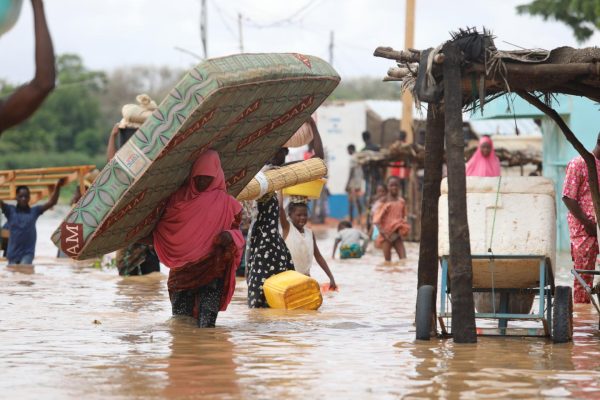
As the rainy season approaches, Niger’s authorities are ringing alarm bells. The Operational Centre for Monitoring, Alerting and Crisis Management (COVACC) is warning of significant risks to livestock and property damage due to the first storms expected across the country’s agropastoral belt.
On May 11, 2026, the Operational Centre for Monitoring, Alerting and Crisis Management (COVACC), under the Nigerien Ministry of the Interior, urged citizens—especially livestock farmers—to exercise extreme caution ahead of the 2026 winter season. National weather forecasts indicate that rainfall levels will likely be normal to above average, with strong winds capable of causing livestock losses and damaging infrastructure.
COVACC issues urgent warning for winter 2026
As the first rains loom on the horizon, Nigerien authorities are already bracing for the potential fallout of an intense winter season. COVACC has officially alerted rural communities, particularly pastoral groups, to the dangers posed by the severe weather typically accompanying the onset of the rainy season.
Data from the National Meteorological Directorate suggests that the 2026 winter season will bring “normal to above-normal” precipitation across Niger’s agropastoral belt. Expected rainfall levels are projected to align with or exceed the averages recorded between 1991 and 2020.
While these conditions may benefit agriculture, they also pose serious threats to livestock herders and local infrastructure.
Destructive winds threaten vulnerable herds
COVACC emphasizes that the early rains often bring violent winds that endanger already weakened livestock, weakened by the lean season. Exposed to harsh weather, underfed animals face higher risks of accidents and mass losses.
These weather events also inflict severe damage on property. Torn roofs, collapsed mud-brick structures, and destruction of public facilities are recurring issues during this period.
Early damage reports emerge
As of May 11, 2026, the General Directorate of Civil Protection (DGPC) reported structural damage in multiple locations. In the town of Allakaye, within the Bouza Department of the Tahoua Region, high winds destroyed the roof of a three-classroom block, a mud-brick classroom, and a wall of an integrated health centre.
In the Dosso Region, specifically in Dankassari, storms caused extensive damage: two classrooms were destroyed, along with a storage facility, six streetlights, and five utility poles.
Authorities urge heightened vigilance
Facing these risks, officials are stressing preventive measures to minimize human, animal, and material losses.
COVACC advises citizens to monitor weather updates and alerts issued by competent agencies. Herders are encouraged to secure livestock during periods of strong winds and avoid flood-prone areas.
The crisis centre also discourages driving herds through dry riverbeds (koris), which often transform into sudden torrents during heavy rains. Authorities urge the public to steer clear of runoff pathways and report incidents to local leaders promptly.
A critical challenge for a pastoral nation
In Niger, where livestock farming is a cornerstone of the economy and livelihoods for millions, each rainy season brings both opportunity and vulnerability.
While improved pastures offer hope, the accompanying climate risks demand stronger early warning systems to protect rural communities already strained by security and economic challenges.
With the heart of the 2026 winter season approaching, COVACC’s message is clear: prevention remains the best defence against climate hazards. For Nigerien herders, this rainy season could either revitalize pastures or jeopardize years of hard-won pastoral survival.