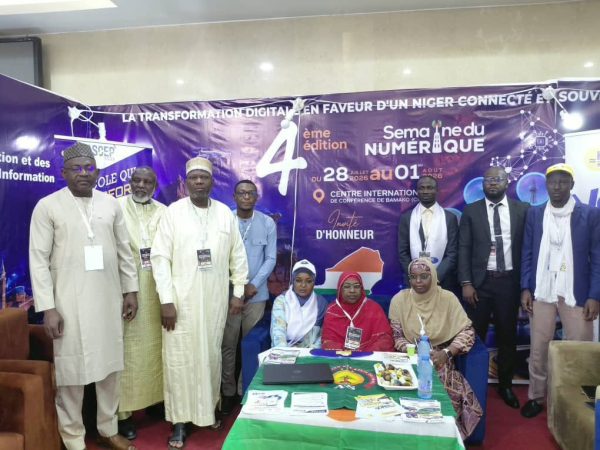
Bamako, July 31, 2026 — The digital revolution is reshaping Sahelian cooperation, and Niger is playing a central role. As the fourth edition of Mali’s Digital Week (Semaine du Numérique du Mali, SENUMA) unfolds in Bamako from July 28 to August 1, 2026, Niamey is represented by a high-level delegation.
The event, themed « The digital ecosystem in Mali: current state, challenges, and prospects for successful digital transformation », brings together policymakers, private sector leaders, and digital innovators to explore how technology can drive progress across administrations, businesses, and public services.
Niger’s strategic engagement in Sahelian digital cooperation
Niger’s participation is far from ceremonial. Within the framework of the Alliance of Sahel States (AES), Niamey and Bamako are deepening their collaboration on digital strategies—a critical domain for state sovereignty and development in the region. The challenges are immense: economic constraints, administrative hurdles, and security concerns demand innovative solutions, and digital tools are emerging as key enablers of modernization.
A delegation representing Mali’s digital backbone
Niger joins Burkina Faso as an honored guest country at this year’s SENUMA. The delegation includes:
- Ministry of Communication and New Information Technologies
- National Agency for the Information Society (ANSI)
- Regulatory Authority for Electronic Communications and Posts (ARCEP)
- Niger Post
- Higher School of Electronic Communications and Posts (ESCEP-Niger)
This cross-sectoral representation underscores a holistic approach to digital transformation, uniting regulation, education, infrastructure, and service delivery under one roof.
Shared experiences shaping a regional vision
The exchanges in Bamako go beyond mere networking. They offer a platform to compare experiences, refine strategies, and align digital policies across the AES. For Niger, this is an opportunity to showcase its own advancements while learning from Mali’s initiatives and those of other participating states.
The discussions also focus on practical solutions: How can digital tools streamline public services? What regulatory frameworks are needed to foster innovation? How can training programs bridge skills gaps? These questions resonate deeply in a region where limited resources must be leveraged for maximum impact.
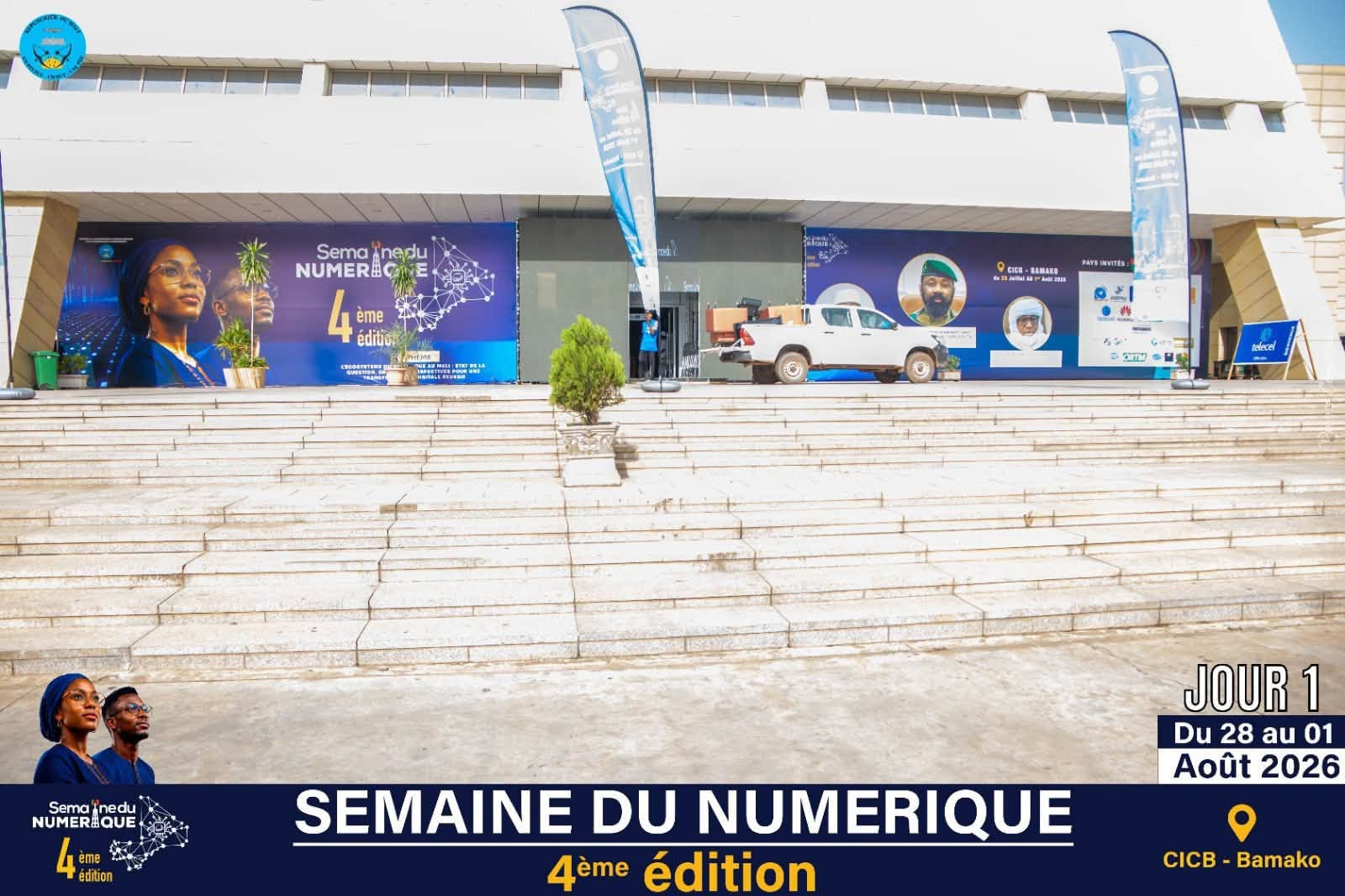
As the SENUMA 2026 draws to a close on August 1, the momentum for regional digital cooperation is palpable. The event has not only highlighted the progress made but also set the stage for deeper collaboration. For Niger, this is a step toward leveraging technology to serve its people—whether through smarter governance, thriving businesses, or accessible public services.
With shared challenges and shared ambitions, the Sahel’s digital future is being written in Bamako this week.