Nigeria grapples with escalating violence that transcends religious boundaries, thrusting the nation into an international spotlight. Recent months have witnessed a surge in abductions of schoolchildren, coordinated attacks on entire villages, and indiscriminate violence against worshippers in both churches and mosques. This volatile climate reached a critical juncture when the United States launched targeted airstrikes on jihadist positions in northern Nigeria on Christmas Day, citing protection of Christian communities as the primary justification.
While these dramatic incidents dominate headlines, they only scratch the surface of a far more complex and devastating reality. The United Nations warns that Nigeria faces one of Africa’s most severe and overlooked humanitarian emergencies, with insecurity permeating every region of the country.
From local insurgency to national catastrophe
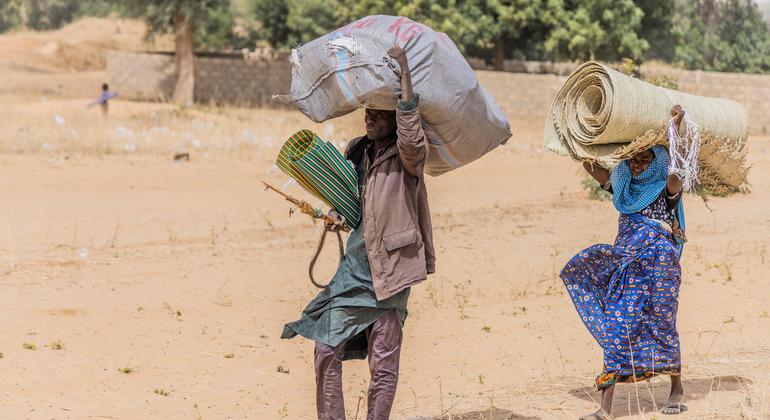
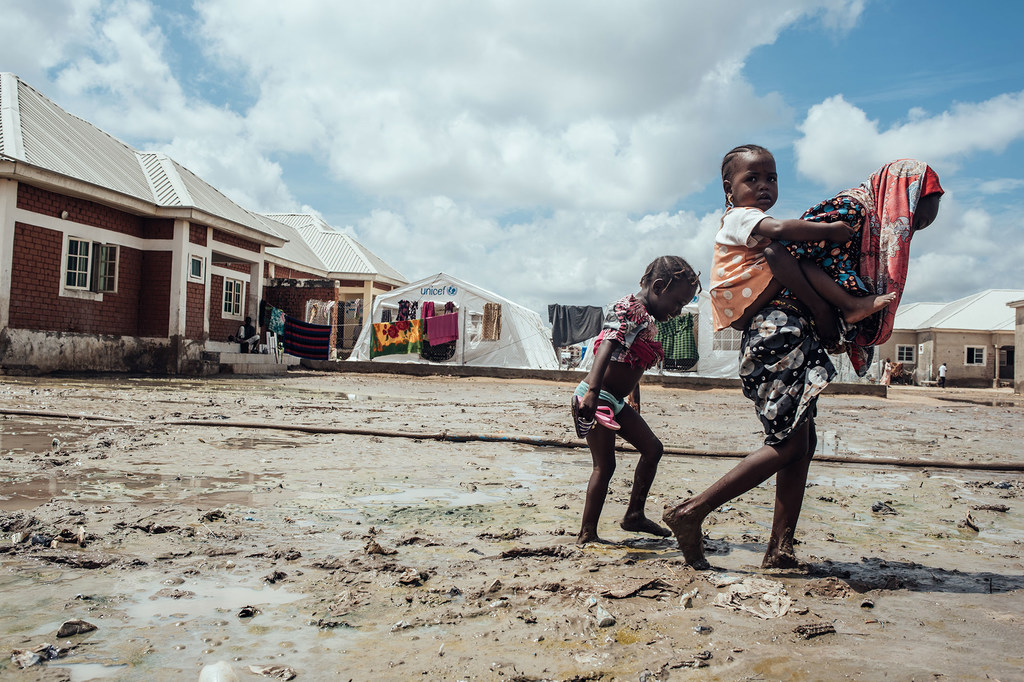
The crisis originated in Nigeria’s northeast, where Boko Haram’s armed insurgency has waged war since 2009. Over nearly two decades, the conflict has metastasized, evolving into a multifaceted security nightmare involving splinter groups like the Islamic State’s West Africa Province. The human toll has been catastrophic: more than two million internally displaced persons (IDPs), a generation displaced permanently in sprawling camps with no foreseeable return home.
Official figures document over 40,000 deaths since the insurgency began, alongside the destruction of thousands of schools and healthcare facilities. Agricultural lands have become inaccessible, leaving communities stripped of their livelihoods and basic human dignity. “Security remains the most pressing challenge in Nigeria,” explains Mohamed Malik Fall, UN Humanitarian Coordinator for Nigeria. “What’s most alarming is that this threat isn’t confined to any single region—it’s spread across the entire country.”
Criminal banditry and resource conflicts
The northeast insurgency has been compounded by a proliferation of armed criminal gangs in the northwest states of Zamfara, Katsina, and Sokoto. These groups engage in systematic looting, kidnapping for ransom, and deliberate village depopulation. “Entire communities have been emptied,” notes Fall. “Currently, nearly one million people are displaced in the northwest alone.”
Central Nigeria’s “Middle Belt” has become another flashpoint, where clashes between farmers and herders—fueled by land scarcity and climate pressures—have displaced thousands more. Southern regions face additional challenges, including separatist movements and disruptions tied to oil industry operations.
The cumulative effect is staggering: with approximately 3.5 million internally displaced persons, Nigeria accounts for nearly 10% of Africa’s total displaced population.
Religious persecution claims examined
Recent attacks on Christian churches and schools have reignited global debates about religious persecution in Nigeria. In January alone, over 160 worshippers were abducted during Sunday services in Kaduna State, while northwest village raids resulted in dozens of fatalities. Schools, including the Catholic institution in Papiri, have repeatedly been targeted, evoking memories of the 2014 Chibok abductions, when Boko Haram seized 276 mostly Christian schoolgirls.
In response to these atrocities, the U.S. conducted Christmas Day airstrikes against jihadist positions, with some American officials characterizing the violence as a “Christian genocide.” However, the United Nations has stopped short of endorsing this assessment, citing insufficient evidence of deliberate targeting based on religion.
Fall emphasizes this distinction: “Labeling this a targeted religious persecution would be misleading. Over 40,000 insurgency-related deaths have included substantial Muslim casualties—many killed in mosque attacks.” He points to a December 24 massacre in Maiduguri, where victims included worshippers leaving a mosque. “Insecurity affects everyone indiscriminately,” he warns. “Such narratives risk deepening divisions rather than fostering unity.”
Massive, underfunded humanitarian emergency
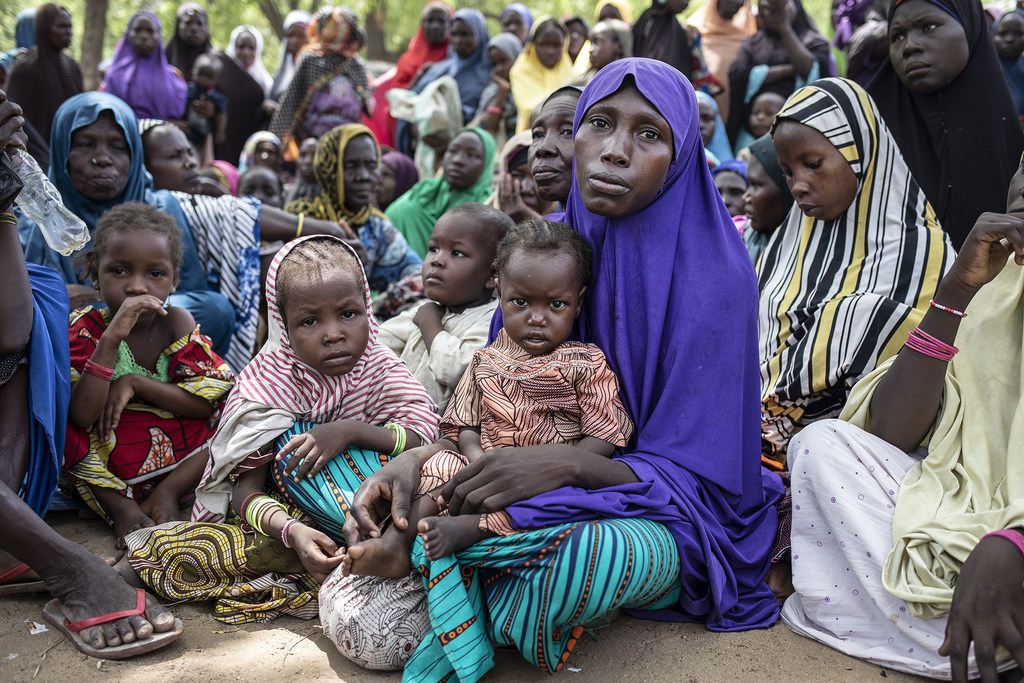
Beneath the security crisis lies a humanitarian catastrophe of monumental proportions. In Nigeria’s northeast alone, 7.2 million people require urgent assistance, with nearly 6 million in severe or critical conditions, according to UN estimates.
Food insecurity has reached alarming levels, with projections indicating up to 36 million Nigerians could face acute food shortages in the coming months. Among children under five, over 3.5 million risk suffering from severe acute malnutrition. “The consequences extend far beyond immediate hunger,” warns Fall. “Malnutrition impairs cognitive development, disrupts education, and casts long shadows over children’s lifelong prospects.”
Compounding these challenges are climate-related shocks—devastating droughts and floods—recurrent disease outbreaks like cholera and meningitis, and a fragile healthcare system stretched to its limits.
Yet funding for humanitarian response has plummeted. “A few years ago, our annual humanitarian appeal approached $1 billion,” recalls Fall. “In 2024, it dropped to $585 million. Last year, barely $262 million was received. And this year, we may not even reach $200 million.”
Nigeria’s economic giant and humanitarian responsibility
The paradox of Nigeria’s crisis is stark: a nation boasting one of Africa’s largest economies is grappling with one of its most severe humanitarian emergencies. “Nigeria isn’t Sudan or Somalia,” stresses Fall. “It possesses resources and institutional capacity. The primary responsibility for humanitarian response must lie with the Nigerian government.”
The UN’s strategy now focuses on gradually transferring leadership of aid operations to federal and state authorities while urging international donors not to abandon the response. “No community thrives on dependency,” Fall concludes. “People need pathways to economic opportunity, not perpetual aid. Teaching them to fish sustains them far longer than handing out fish ever could.”