Niger’s healthcare revolution: reducing foreign medical evacuations
Niger is undergoing a transformative shift in its healthcare strategy. Once dependent on foreign medical evacuations for advanced treatments, the country is now building robust local capacity to handle complex cases domestically. This bold initiative, spearheaded by Public Health Minister Colonel-Major Garba Hakimi, signals a new era where specialized care becomes increasingly accessible within Niger’s borders.
Investing in cutting-edge medical infrastructure
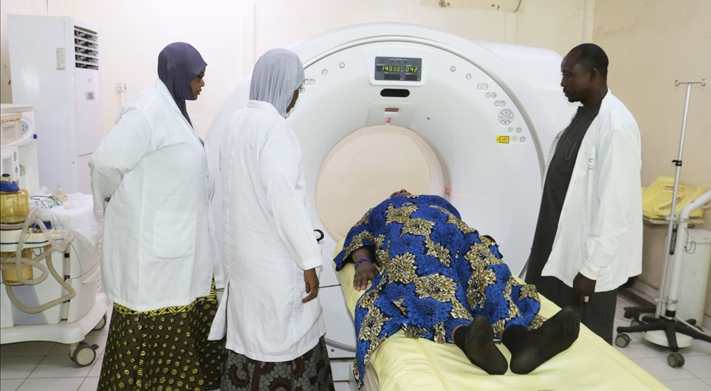
The foundation of this healthcare revolution lies in substantial investments in state-of-the-art medical equipment. The Ministry of Health has prioritized acquiring high-tech tools including 64-slice CT scanners, MRI machines, and linear accelerators for radiotherapy. These advancements are particularly transformative in cancer treatment, where Niger can now offer all three critical components: surgery, chemotherapy, and radiotherapy—eliminating the need for costly overseas evacuations that often burden families.
Cardiac care breakthroughs at home
Another milestone in this healthcare transformation is the development of local cardiac surgery capabilities. Previously, patients requiring heart procedures faced prohibitive costs and logistical challenges abroad. Now, Niger’s medical teams are performing these complex surgeries domestically at significantly reduced prices, marking a significant leap in the country’s medical autonomy.
Economic and social impact
This strategic shift delivers profound benefits beyond medical excellence. By reducing dependence on foreign medical care, Niger is:
- Slashing healthcare costs for families who previously bore the financial burden of evacuations
- Expanding access to specialized treatments for a broader population
- Strengthening national healthcare competencies and infrastructure
- Enhancing the country’s healthcare sovereignty
While certain highly specialized cases may still require international treatment, the trajectory is unmistakable: Niger is methodically building a self-sufficient healthcare system that treats patients at home rather than abroad.
The message is clear: Niger is no longer exporting its sick—it’s healing them locally. This healthcare revolution represents more than medical progress; it’s a declaration of national resilience and self-determination.