Niger’s evolving healthcare: shifting from foreign medical evacuations
The landscape of Niger’s healthcare system is undergoing a significant transformation. Once deemed essential due to domestic healthcare limitations, medical evacuations abroad may soon become the exception rather than the norm. This shift is being driven by new directives from Niger’s Minister of Public Health and Hygiene, Colonel-Major Garba Hakimi, signaling a strategic pivot toward strengthening the country’s medical infrastructure to treat more patients locally.
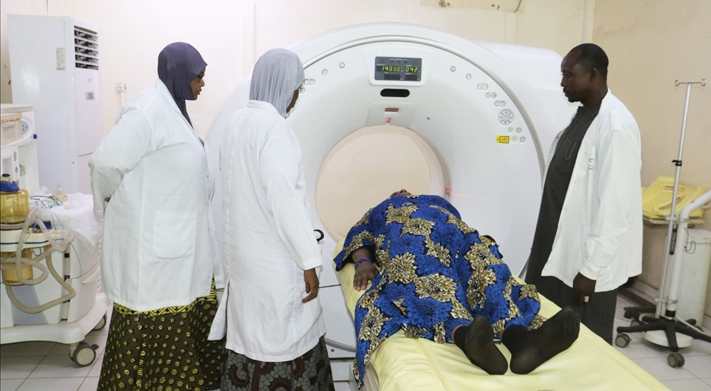
The cornerstone of this evolution lies in the acquisition of cutting-edge medical equipment, including 64-slice CT scanners, MRI machines, and linear accelerators for radiotherapy. Nowhere is this progress more evident than in cancer treatment. Niger has established all three essential pillars of care—surgery, chemotherapy, and radiotherapy—within its borders, drastically reducing the need for costly and often inaccessible evacuations abroad.
Cardiology is another area where this shift is making an impact. Cardiac surgery is now performed locally at a fraction of the cost of treatment overseas. Beyond the medical achievement, this represents a fundamental change in approach: Niger is beginning to manage conditions that were previously treated outside the country.
The social and economic implications of this transformation are substantial. By minimizing overseas medical evacuations, families face reduced financial burdens, while specialized care becomes more accessible. Additionally, this initiative strengthens national expertise and reinforces the country’s healthcare sovereignty. Though some highly specialized cases may still require evacuation, the trajectory is clear: Niger is steadily building its medical autonomy.
As the nation enhances its medical infrastructure and expands specialized care, its goal is unmistakable: to heal within Niger what was once treated abroad.