Niger’s youth weigh the FPL call as insecurity and debate intensify
A rebel movement’s message lands in a country on edge
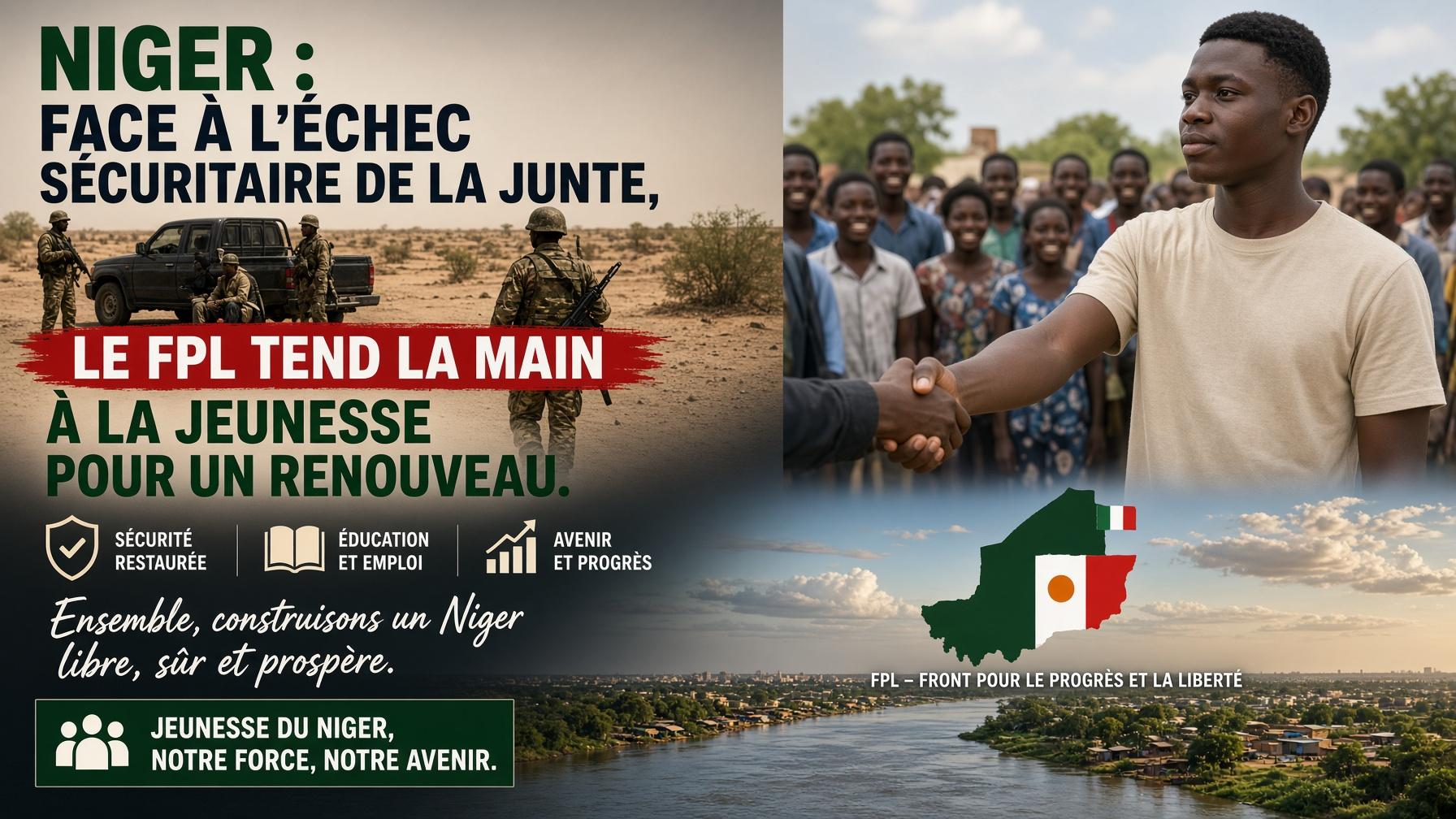
With the military government in Niamey struggling to shield civilians from an increasingly volatile security landscape, the Front Populaire pour la Justice (FPL) has taken a striking step. Through a multilingual video address that includes Arabic, the rebel movement has issued a direct appeal to Niger’s youth, urging them to join its ranks. The move has ignited immediate reactions across the country, with many citizens framing it as a potential turning point after years of mounting insecurity.
An alternative voice emerges amid transition failures
As the transitional authorities face growing criticism over their inability to stabilize the country, the FPL is positioning itself as a rallying point for those seeking change. In the video, which has spread rapidly across social media, the group’s spokesperson delivers a pointed message: “We have no problem with the people of Niger. Our only problem is the current regime in Niger. We are making a special appeal to the youth to join us on the FPL front against this regime.”
The directness of the address reflects a calculated effort to unite the country’s most dynamic forces behind a single goal: ending a military-led governance that has yet to deliver on its promises of peace and stability.
A multilingual push aimed at bridging divides
By speaking in Arabic and several local languages, the FPL signals an inclusive approach designed to cut across regional and ethnic lines. In a vast and diverse country like Niger, this multilingual strategy allows the movement to carry a message of unity straight to communities most exposed to violence.
The use of digital platforms further underscores an intent to connect directly with young people. Bypassing official state channels, the FPL offers a platform to those who feel sidelined by the current leadership.
Public frustration mounts over unfulfilled security promises
The appeal resonates in a context of deepening crisis. Despite the junta’s tough rhetoric, armed group attacks and chronic insecurity continue to hit civilian populations, especially in rural and border areas.
Key grievances voiced by the population include:
- Worsening security climate: persistent armed threats despite pledges to restore peace.
- Institutional and economic void: a lack of concrete prospects for young people, who are left without support amid daily hardships.
- Sense of abandonment: growing frustration among communities that see no tangible state protection on the ground.
For a large segment of the youth, the FPL’s invitation appears as a chance to take control of the country’s destiny and actively contribute to defending their communities.
What comes next: a youth-driven momentum or a fleeting spark?
On the ground, the FPL’s move is drawing growing interest among those demanding a political and security alternative. “The current situation cannot continue. We need real solutions to protect our families and restore justice,” says a young community activist. For many, the initiative represents a legitimate channel for engagement in the face of a power structure seen as stalled.
By placing youth at the heart of its project, the FPL is betting on the nation’s vital force to drive a new dynamic. The future of Niger now hinges more than ever on whether its citizens can mobilize to build a secure and just framework.