ongoing humanitarian law breaches in eastern DRC spark icrc warning
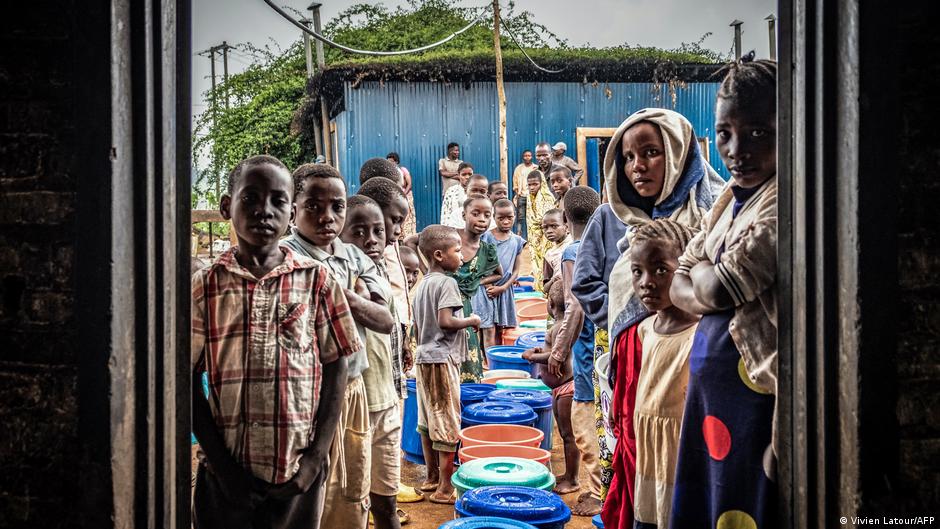
24 JulyThe situation in the eastern provinces of the Democratic Republic of the Congo remains dire, with international humanitarian law facing persistent and widespread violations. Despite commitments from authorities and international partners, civilians continue to bear the brunt of a conflict marked by the proliferation of armed groups and unrelenting violence.
Civilian suffering amid forgotten rules of war
In conflict zones across North Kivu, South Kivu, Ituri, and parts of Tanganyika, the principles of international humanitarian law are either ignored or unknown. This failure to uphold these critical protections leaves civilians increasingly vulnerable, caught in the crossfire of shifting alliances between armed factions. The consequences are devastating, particularly for women and girls, who face systematic sexual violence.
“Sexual violence has affected millions. Every minute, women, girls, and children—yes, even men—fall victim to these atrocities,” says Julienne Lusenge, a prominent human rights activist. She emphasizes the urgent need for international accountability, pointing out that no perpetrators of sexual violence have yet faced justice at the global level. “We must ensure that these crimes do not go unpunished. International sanctions against perpetrators are long overdue,” she asserts.
Military justice steps in to address impunity
Julienne Lusenge also stresses the importance of strengthening security forces and dismantling armed groups to better safeguard civilian lives. Meanwhile, military justice in the Democratic Republic of the Congo reports taking action against soldiers accused of human rights abuses. General Jean-Paul Tshayikolo, a military magistrate at the High Military Court, highlights the dual role of these prosecutions: they serve not only as punishment but also as a deterrent and an educational tool for the armed forces.
“There are good and bad elements within our ranks. Our goal is to cultivate the former. While zero impunity may never be fully achieved, military justice remains committed to holding perpetrators accountable,” General Tshayikolo explains. “The statistics speak for themselves. Every ruling sends a clear message to others in uniform, reinforcing the consequences of violating the law.”
Armed group fragmentation complicates justice efforts
The eastern Democratic Republic of the Congo is home to over 200 active armed groups, their shifting alliances creating a complex web of responsibility. This fragmentation makes it exceedingly difficult to identify those responsible for breaches of international humanitarian law, further obstructing efforts to engage in dialogue, enforce accountability, or impose sanctions.
Additionally, the fundamental distinction between civilians and combatants—pivotal to international humanitarian law—is often blurred in reality. This blurring of lines not only exacerbates civilian suffering but also hampers judicial proceedings and perpetuates a culture of impunity.