Ousmane Sonko prepares to take the helm of Pastef with a bold display of power
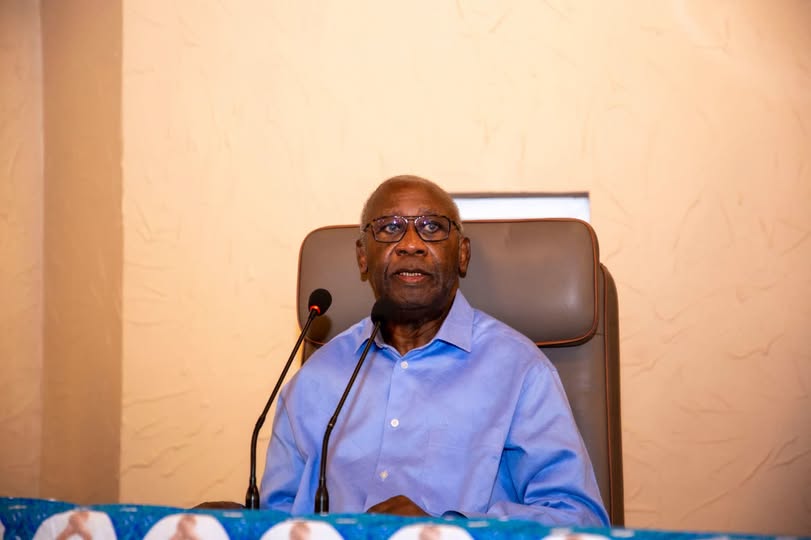
In the heart of Dakar, the political landscape is buzzing with anticipation as Ousmane Sonko, the charismatic leader of the Pastef party, gears up for a defining moment in his career. The upcoming party congress is shaping up to be more than just a routine gathering—it is set to serve as a resounding declaration of his authority and vision for Senegal’s future.
Speaking to close associates, Sonko described the event as “a demonstration of force”, signaling his intent to consolidate his influence within the party and beyond. The timing could not be more strategic, coming at a juncture where political alliances are shifting and public expectations are high.
The road to Pastef’s leadership
Sonko’s rise within Pastef has been nothing short of meteoric since its inception. As the founder and face of the party, he has cultivated a reputation for challenging the status quo, often clashing with established political figures. His unapologetic stance on governance and social justice has resonated with a broad base of supporters, particularly among the youth and disenfranchised communities.
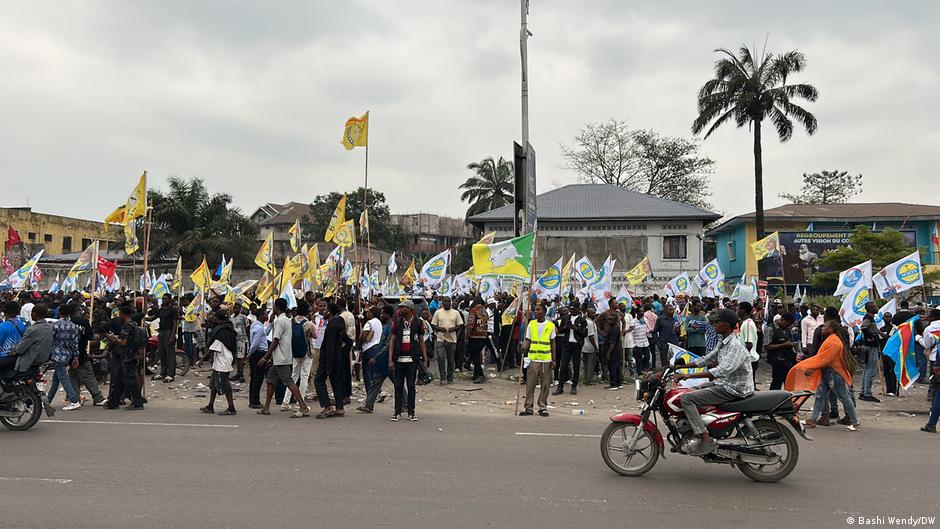
At the upcoming congress, delegates will not only endorse his leadership but also rally behind a platform that promises sweeping reforms. Key priorities include tackling corruption, enhancing economic opportunities, and redefining Senegal’s role on the continental stage. The event is expected to draw thousands of participants, underscoring the party’s growing momentum.
A party at a crossroads
Pastef stands at a critical juncture, balancing its grassroots appeal with the pressures of institutional politics. Sonko’s leadership style—blending populist rhetoric with a disciplined organizational approach—has kept the party united despite internal debates and external scrutiny. Critics, however, question whether his ambitious agenda can translate into tangible results once in power.
The congress will also serve as a platform for Sonko to address these concerns directly. Insiders suggest he will outline a clear roadmap for implementation, emphasizing transparency and accountability as cornerstones of his governance philosophy. For many, this is the moment of truth for a party that has promised to break away from the political elite.
What’s next for Senegal’s political scene?
As the congress approaches, all eyes are on Sonko and his ability to translate his vision into action. His leadership could redefine the dynamics of Senegalese politics, offering an alternative to traditional power structures. Whether this translates into electoral success remains to be seen, but one thing is certain: the stage is set for a pivotal chapter in the nation’s political narrative.