Le national dialogue en République Démocratique du Congo (RDC) faces renewed pressure as civil society organizations call for urgent unity among political actors. The Alliance pour l’Émergence et le Travail (AETA) has issued a strong appeal to both political leaders and civil society representatives, urging them to transcend narrow political interests and commit to the nation’s higher collective good.
In a statement released today, AETA emphasized that the current political climate demands decisive action to prevent further division. “The future of our country hinges on our ability to set aside personal agendas and work collectively toward sustainable solutions,” the organization declared. Their call comes amid escalating tensions between government and opposition factions, with growing concerns about the potential destabilization of national institutions.
Why this national dialogue matters
The push for a comprehensive national dialogue has gained momentum as multiple stakeholders recognize the need for inclusive participation. AETA’s message specifically targets political elites, reminding them that their decisions today will shape the RDC’s trajectory for generations. Key priorities highlighted include:
- Economic recovery: Addressing inflation, unemployment, and currency instability
- Security challenges: Combating armed groups and restoring state authority in conflict zones
- Governance reforms: Strengthening institutions and combating corruption
- Social cohesion: Rebuilding trust between communities and authorities
Civil society’s growing influence
While political parties often dominate national conversations, AETA’s intervention underscores the critical role of civil society in shaping the dialogue’s agenda. Their statement follows similar appeals from women’s rights organizations and youth movements, all demanding greater representation in decision-making processes. “This is not just a political issue—it’s about the very survival of our democracy,” noted one civil society leader who requested anonymity.
The organization also called for immediate confidence-building measures, including transparent negotiations and the release of political prisoners. Their recommendations have sparked discussions about potential mediation mechanisms, with some suggesting international facilitation to ensure impartiality.
What happens next?
With the national dialogue process already delayed multiple times, AETA has set a clear timeline for action. They’ve urged all parties to:
- Submit concrete proposals by the end of July
- Engage in direct negotiations without preconditions
- Establish an independent monitoring committee
- Publicly commit to implementing agreed outcomes
The coming weeks will be decisive. As one political analyst observed, “The RDC stands at a crossroads. Either we choose constructive dialogue, or we risk deeper crisis.”
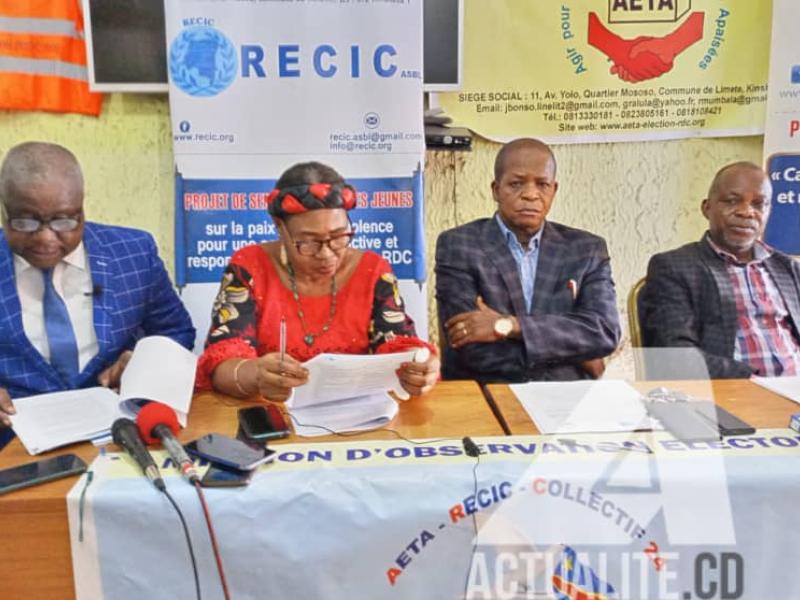
Les experts de l’AETA et du RECIC/Ph. ACTUALITE.CD
For now, all eyes are on the political class. Will they heed the call for national unity, or will sectional interests continue to overshadow the greater good? The answer will define the RDC’s path forward.