Moscow’s Strategic Expansion in North Africa
Russia’s growing military presence across six key Libyan air bases signals a deliberate effort to deepen its influence in North Africa while simultaneously shifting weapons, mercenaries, and combatants to active conflict zones.
Intelligence assessments reveal that Moscow is not only financing and constructing critical infrastructure at these sites but is also positioning personnel to oversee these operations. The bases—Al-Joufra, Al-Khadim, Al-Qardabiyah, Brak Al-Shati, Maaten al-Sarra, and Tamenhant—are strategically distributed across Libya, housing advanced military hardware such as air defense systems, MiG-29 fighter jets, and drones. Active participation of Russian military personnel and affiliated mercenaries has been documented at these locations, with plans to further invest in the Tobruk port and air base infrastructure.
From Syria to Libya: A Shift in Moscow’s African Strategy
Before the fall of Syrian leader Bashar al-Assad in late 2024, Russia relied on Syria as its primary transit hub for transporting military assets, weapons, and personnel across the Middle East. However, after losing its foothold in Damascus, the Kremlin pivoted its operations toward Libya. Initially, Russia sought access to Libyan ports, but when those efforts stalled, Moscow turned inward, establishing a stronger military presence in the country’s interior.
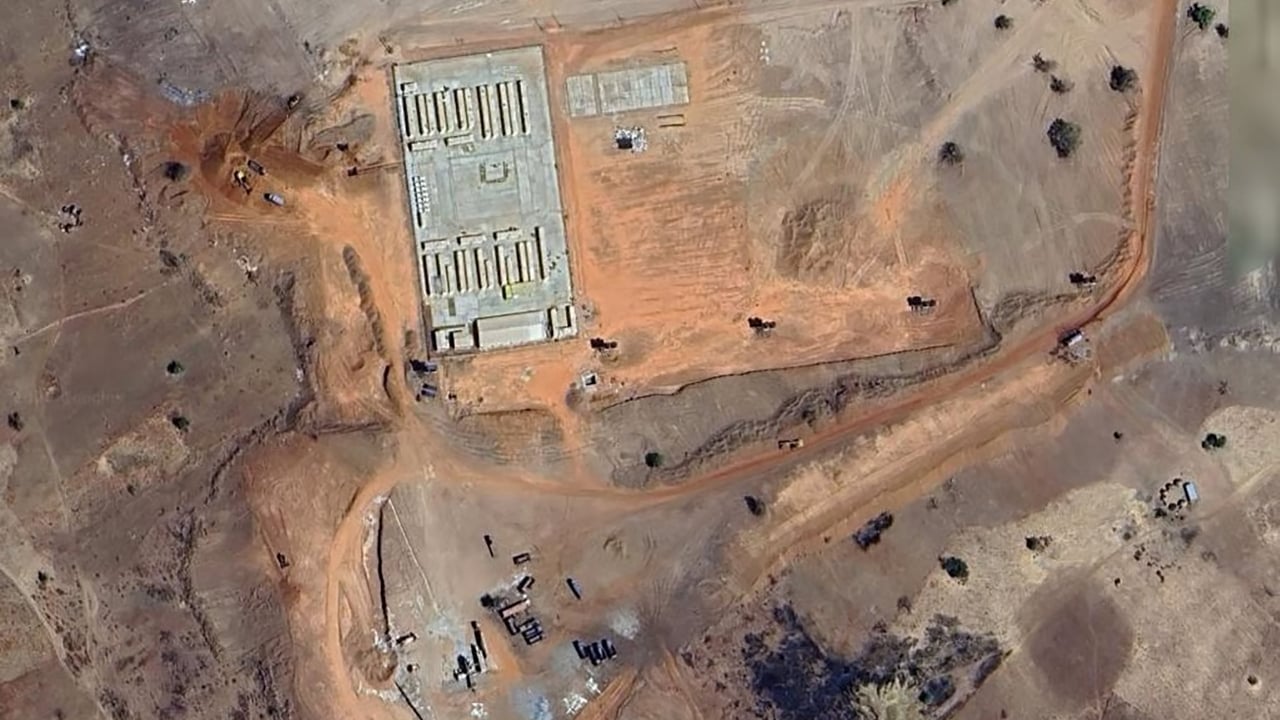
Analysts highlight Maaten al-Sarra as a critical example of this strategy. Located near the Chad and Sudan borders, this air base serves as a logistical nexus for Russian destabilization efforts across the Sahel region. Once abandoned in 2011, the base was restored in late 2024 through the deployment of Syrian soldiers under Russian supervision. From Maaten al-Sarra, Moscow can now facilitate direct arms shipments to Burkina Faso, Mali, and Sudan, according to intelligence reports.
Security experts warn that a Russian foothold in Matan al-Sarra would enable covert weapons transfers into Sudanese or Chadian territory, complicating regional stability. Andrew McGregor, a defense analyst, noted in a recent assessment that such a presence would provide Moscow with plausible deniability while expanding its operational reach.
Obstacles to Libyan Peace and Regional Instability
Russia’s military footprint in Libya has further complicated the already fragile unification process in Tripoli. By sustaining foreign troops and mercenary groups, Moscow has weakened international efforts to expel non-state actors from the country. Analysts argue that this interference prolongs conflict by empowering foreign-backed Libyan factions resistant to peace negotiations.
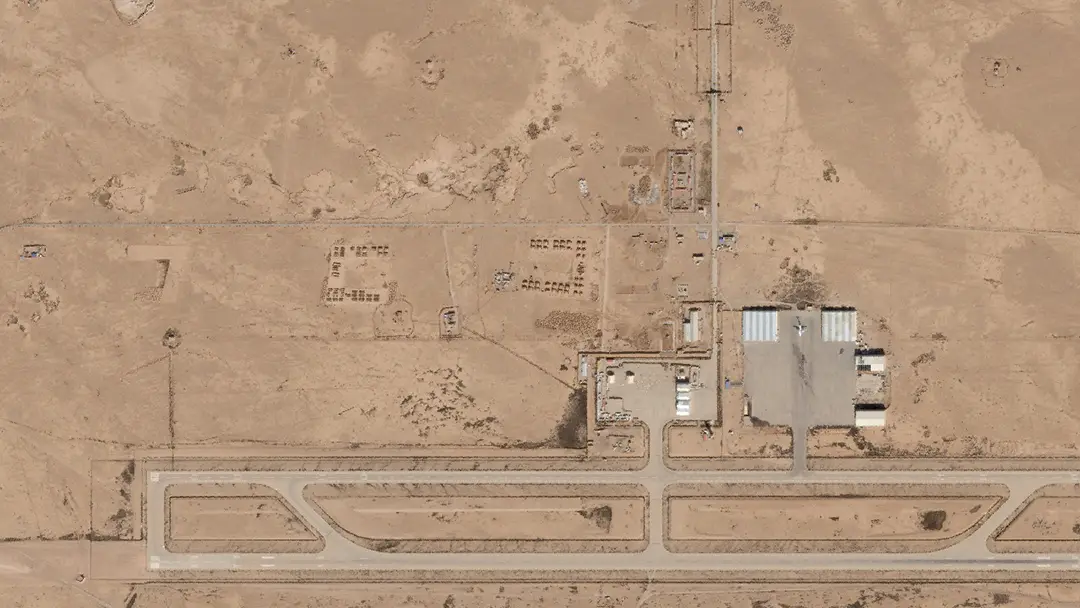
Take Al-Khadim air base, for instance, located roughly 100 km east of Benghazi. Over the past year, the base has expanded significantly, with the construction of three new hangars, a recreational facility, and what appears to be a communications tower and temporary housing. By 2026, a barracks structure was reportedly added. These developments align with broader Russian efforts to use Al-Khadim as a hub for weapons trafficking and resource exploitation across the region.
In 2025, open-source investigations documented a Gazprom executive traveling from Al-Khadim to a Russian-controlled mine in the Central African Republic, sharing images of the journey on social media. Geolocation tools later confirmed the presence of a Russian officer from the 102nd Motorized Rifle Division stationed at the base, reinforcing Moscow’s direct involvement.
Logistical Hubs Fueling Conflict Across the Sahel
The Al-Joufra air base in central Libya has served as a Russian paramilitary outpost since 2019. Recent upgrades include renovated hangars, small administrative buildings, reinforced barriers, and expanded storage facilities, all of which enhance the base’s operational capacity.
Similarly, Al-Qardabiyah, linked to the Syrte International Airport, has undergone substantial development since 2022. Russian forces have constructed new infrastructure, refurbished runways, and installed perimeter defenses. In 2024 alone, a hangar was repaired, and preparations for further expansion continue.
In southwest Libya, the Brak Al-Shati air base has seen a surge in Russian activity since March 2024. Recent construction includes at least one new hangar and two additional buildings likely used for aircraft maintenance. Personnel numbers at the base have grown from 300 to 450 since December 2024, reflecting Moscow’s commitment to consolidating its position.
The Tamenhant air base in southern Libya has also played a pivotal role in Russian military operations. Reports from mid-2023 indicate that Wagner Group mercenaries—precursors to the Africa Corps—used the base to launch military campaigns and facilitate arms deliveries to Sudan. Recent expansion efforts include new living quarters, a renovated road connecting runways to hangars, and runway modifications to accommodate heavier aircraft.