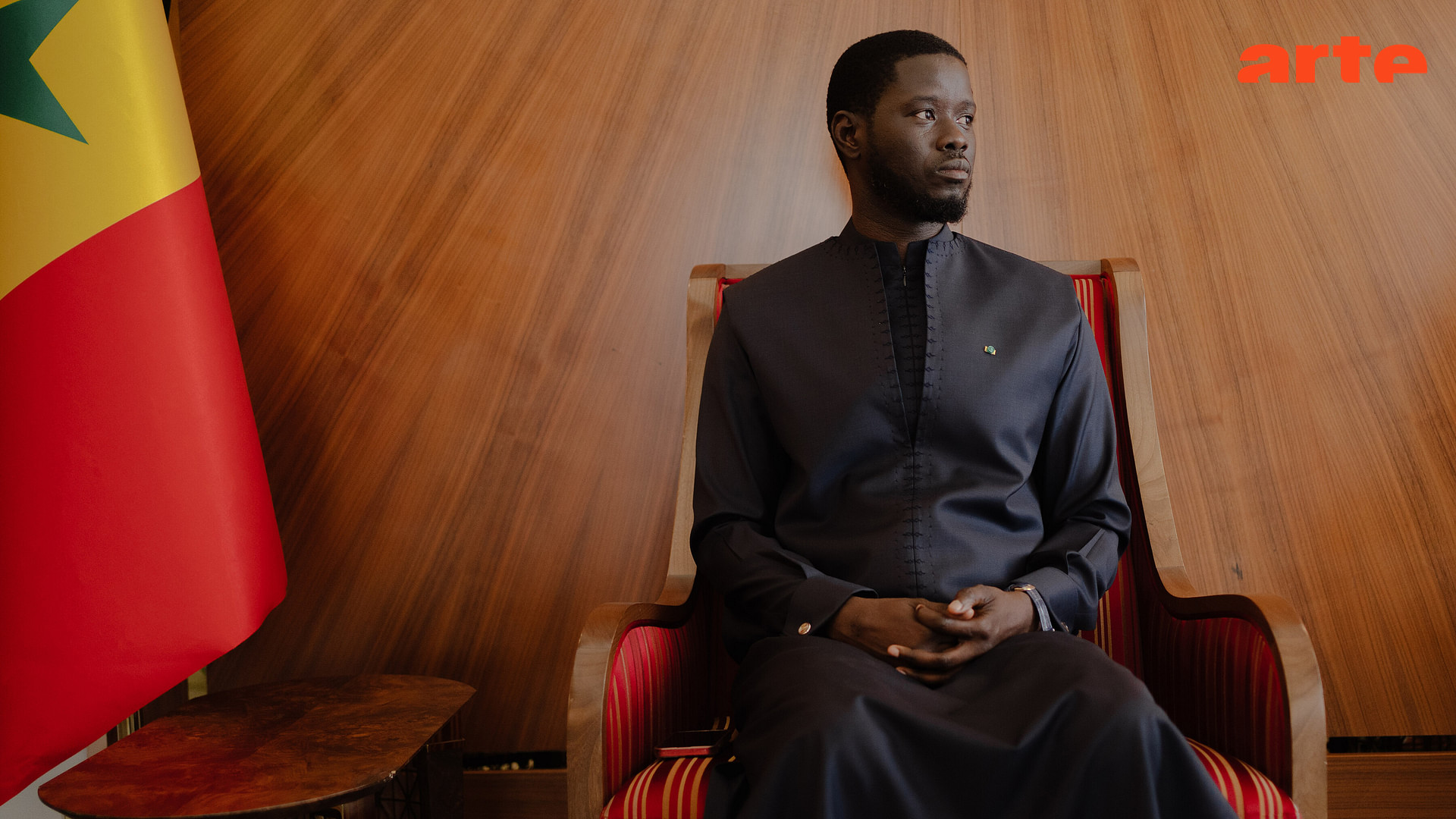
The political landscape in Senegal has been shaken by a series of dramatic developments in recent days. President Bassirou Diomaye Faye made a sudden move on May 22, 2026, by dismissing his prime minister, Ousmane Sonko, a close ally during the election campaign. Just days later, on May 26, Sonko was elected Speaker of the National Assembly, intensifying the power struggle within the country’s leadership.
Adding to the tension, Senegal passed a stringent law in March 2026 that significantly toughens penalties for homosexuality, sparking widespread debate and criticism both domestically and internationally. The new legislation has fueled concerns about the erosion of human rights and the potential for further social unrest.
Political division deepens
These events highlight the deepening divisions within Senegal’s political sphere. The dismissal of Ousmane Sonko, once seen as a key figure in the administration, has raised questions about the president’s strategy and the future stability of the country. Meanwhile, Sonko’s rapid rise to the position of Assembly Speaker underscores the shifting dynamics of power, creating an atmosphere of uncertainty and instability.
Human rights at risk
The controversial law criminalizing homosexuality has drawn sharp criticism from human rights organizations. Critics argue that the legislation not only infringes on personal freedoms but also risks isolating Senegal on the global stage. The timing of the law’s passage, amid political turmoil, has only amplified concerns about the government’s commitment to democratic values and inclusivity.
As Senegal grapples with these challenges, the nation stands at a crossroads. The decisions made in the coming weeks could determine whether the country stabilizes or plunges further into crisis.