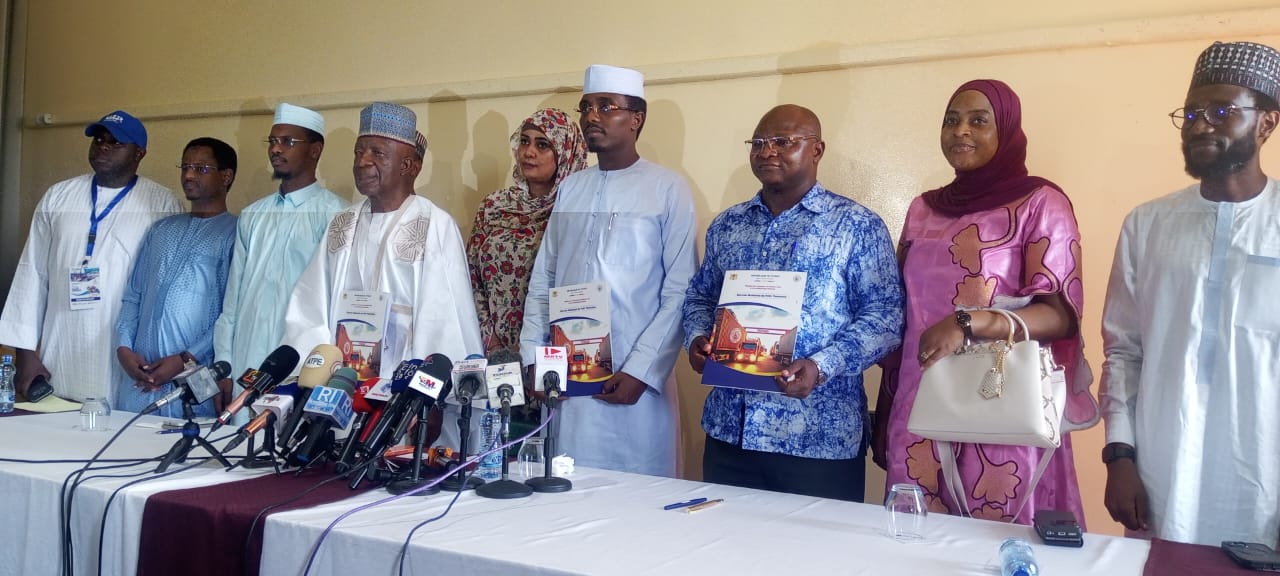
Senegal has leveraged the HAIP Friends Group platform in Tokyo to officially introduce the Senegal AI Factory, a cornerstone of its Technology New Deal. The Senegalese delegation in Japan framed this initiative within a broader vision of digital sovereignty and Africa’s integration into global artificial intelligence governance. The selection of Japan as the launch pad is deliberate: the country hosts one of the most structured diplomatic circles on responsible AI principles, rooted in the G7’s Hiroshima process.
The Senegal AI Factory is designed as a national infrastructure for high-performance computing and applied research, pooling intensive computing power, local datasets, and African expertise to tackle use cases aligned with continental realities. Dakar envisions this project as a tool to diminish reliance on foreign platforms while steering research toward national priorities such as public health, agriculture, education, national languages, and administrative services.
Aligned with the Technology New Deal
The Senegal AI Factory is embedded in the digital roadmap championed by Senegalese authorities following the establishment of the new administration. The Technology New Deal prioritizes digital sovereignty alongside connectivity infrastructure, public service modernization, and the development of a local skills sector. This AI factory embodies this policy through a concrete asset capable of nurturing a thriving national ecosystem.
At its core, the initiative aims to establish a shared high-performance computing environment, supported by academic and industrial partnerships. The government seeks to attract diaspora researchers, African startups, and foreign labs eager to test models on representative African data. Collaboration with Senegalese universities and regional research hubs is deemed essential for the initiative’s credibility.
Tokyo as a strategic diplomatic stage
The HAIP Friends Group meeting, where partners of the Hiroshima AI process convene, provided Senegal with a platform to resonate among economies at the forefront of AI regulation. By presenting a tangible project, Senegal positions itself as a credible African voice in global AI discussions, often overshadowed in such forums. This technological diplomacy aims to secure knowledge transfers and influence emerging norms.
The timing is critical. As the African Union adopts a continental AI strategy and capitals like Kigali and Rabat advance their own plans, Tokyo’s platform allows Dakar to assert its distinct approach. The strategy reflects a pragmatic understanding: the scramble for computing power, dominated by a handful of American and Asian players, offers emerging nations a narrow window to build national infrastructure without perpetuating new dependencies.
Challenges of funding and partnerships
Financial sustainability remains a hurdle. An AI factory demands substantial investments in GPUs, energy, and cooling systems, particularly amid global chip shortages. Senegal must blend domestic budgets, bilateral aid, and industrial partnerships to bring the project to fruition within a realistic timeframe. The Tokyo presentation could catalyze negotiations with Japanese, European, or Gulf partners already active on the continent.
The success of the Senegal AI Factory will also hinge on its ability to permeate the real economy. Initiatives such as engineer training, engagement with SMEs, data protection, and regulatory frameworks for model usage are equally vital. Dakar is playing a bold hand: positioning itself as an African nation that refuses to be swept aside by the AI wave and instead seeks to capture a share of its value.