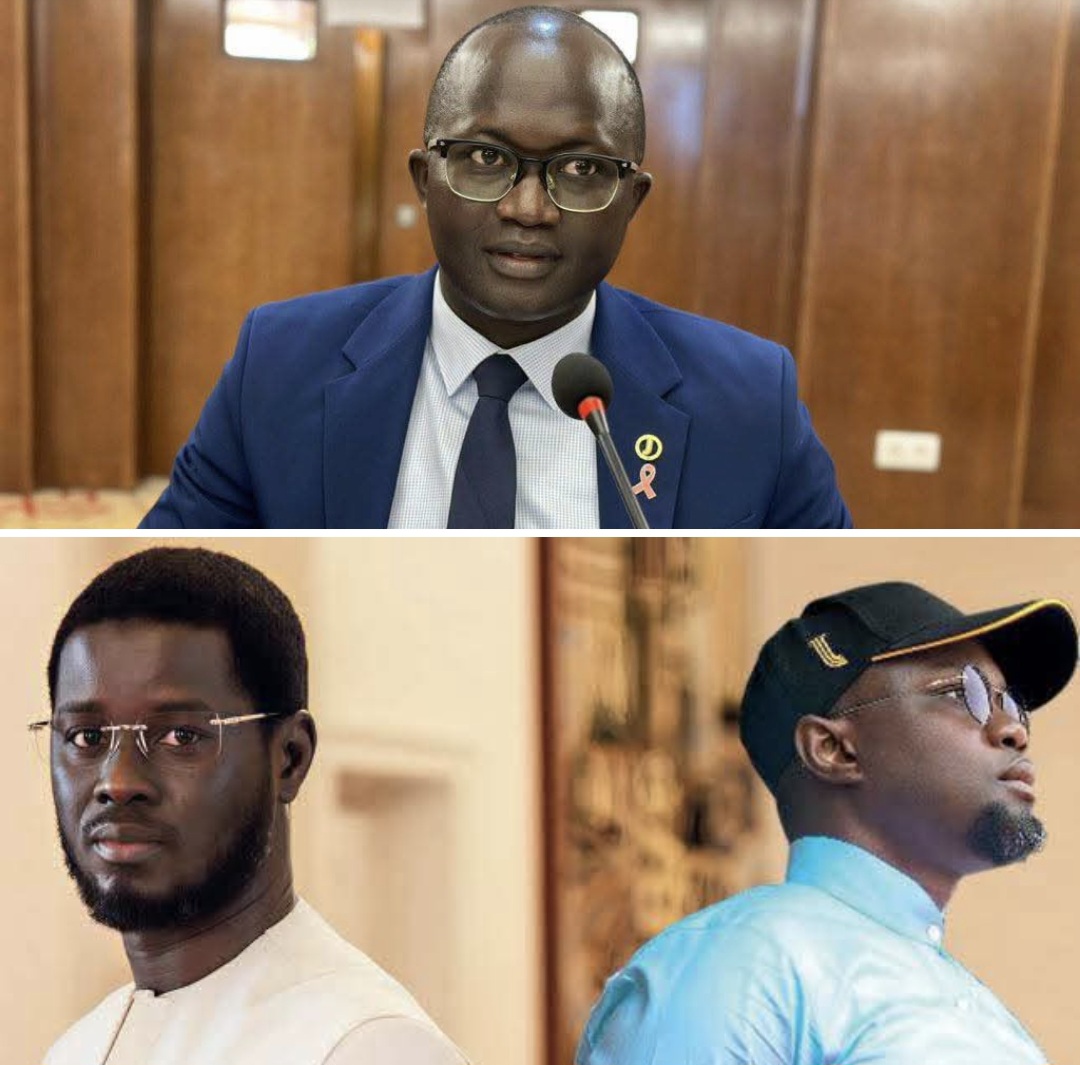
In a dramatic turn of events in Dakar, President Bassirou Diomaye Faye has terminated the appointment of his Prime Minister Ousmane Sonko, marking the end of a political partnership that had been under strain for months. The move comes after weeks of growing tensions between the head of state and the leader of the Pastef party, who had been the driving force behind the sovereignist agenda since the March 2024 presidential election.
An unworkable executive cohabitation
The Diomaye-Sonko tandem had been hailed as a unique political experiment in West Africa, blending institutional legitimacy with grassroots militancy. Yet this delicate balance proved unsustainable as disagreements over policy execution, judicial reforms, and economic strategy deepened. As President Faye consolidated his authority, the Prime Minister’s influence waned, leaving little room for a sustainable power-sharing arrangement in a system that prioritizes executive dominance.
The constitutional framework of Senegal, which vests ultimate decision-making power in the presidency, left little room for the kind of shared governance that Sonko had envisioned. What began as a promising alliance has now collapsed under the weight of diverging visions for the country’s future.
Sonko’s strategic pivot to parliamentary leadership
Far from retreating from politics, Ousmane Sonko has shifted his focus to the National Assembly, where his party maintains a strong majority following the early legislative elections. By positioning himself at the heart of parliamentary proceedings, he has transformed the legislative chamber into a platform for institutional opposition, echoing the strategies of other African leaders who have leveraged legislative influence after losing executive power.
This new dynamic presents President Faye with a significant challenge. With a parliamentary majority still aligned with Sonko, the president’s ability to push through new legislation, approve budgets, or implement sweeping reforms is severely constrained. The selection of a new government and the passage of key policies will now hinge on navigating an unprecedented internal power struggle within the ruling party itself.
Implications for Senegal’s political and economic future
The fallout from this rupture extends beyond personal and political rivalries. It calls into question the coherence of the sovereignist project championed by Pastef, including plans to renegotiate oil and gas contracts, challenge the CFA franc framework, audit public finances, and redefine migration policies. International partners, from the International Monetary Fund to investors in the Sangomar and Grand Tortue Ahmeyim fields, are closely monitoring Senegal’s institutional stability—a stability that has long made the country a democratic model in the region.
Regionally, this development coincides with efforts by the Economic Community of West African States (ECOWAS) to mend divisions following the withdrawal of Sahelian states into the Alliance of Sahel States. Senegal, which had positioned itself as a mediator under Faye’s leadership, may now see its diplomatic influence diminished by domestic turmoil. The critical question remains whether the president can assemble a new government capable of restoring stability or if Sonko’s loyal base will take to the streets to voice their discontent.
Senegal now stands at a crossroads, entering a period of political uncertainty that will shape the trajectory of its second democratic transition. The outcome of this crisis will define the country’s path forward in the coming months and years.