- Actualité
- AFRIQUE
Senegal’s strengthened anti-lgbt+ law ignites diplomatic friction with France
A new strain has emerged in the relationship between Senegal and France, triggered by Senegal’s recent legislative action to increase penalties for same-sex relations and the subsequent arrest of a French national in Dakar in February 2026. These two incidents, occurring within an already delicate geopolitical landscape, have provoked intense political reactions and rekindled discussions surrounding human rights, national sovereignty, and the intricate diplomatic ties connecting the two nations.
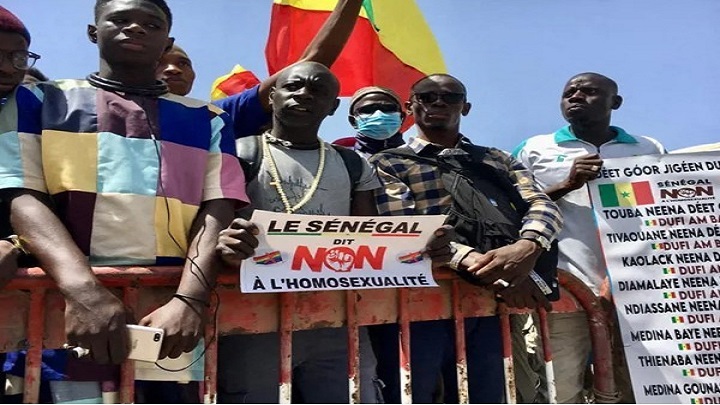
On March 11, 2026, Senegal’s National Assembly passed a bill that significantly toughens existing legal provisions against homosexuality. Dakar’s authorities have defended this legislative update, asserting that it aims to align the legal framework with the predominant socio-cultural values widely held across the country. While Senegal’s laws have historically been restrictive on these matters, this particular amendment marks a notable escalation in potential penalties, drawing immediate scrutiny from various international organizations and foreign political figures.
Concurrently, on February 14, 2026, a French engineer, in his thirties and residing in Dakar, was apprehended. Diplomatic sources and international media outlets have reported that he faces multiple charges, including “unnatural acts,” criminal conspiracy, money laundering, and attempted transmission of HIV. French consular officials have confirmed they are closely monitoring the situation, maintaining consistent contact with both the detainee and his family.
This legal matter quickly escalated into a political and diplomatic flashpoint. In France, numerous officials voiced profound concerns regarding the treatment of LGBT+ individuals in Senegal and the conditions under which the French national is being held. Among the most prominent reactions was that of Yaël Braun-Pivet, who publicly condemned what she perceived as infringements upon LGBT+ rights, highlighting instances of discrimination and violence. She strongly affirmed her belief that the criminalization of sexual orientation constitutes a violation of fundamental human rights.
These declarations have met with mixed responses. Some political leaders and observers interpret them as a legitimate expression of concern for human rights, while others view them as an intrusion into the internal affairs of a sovereign state. Proponents of this latter perspective emphasize that each nation possesses the right to enact its own legislation, shaped by its unique social, cultural, and legal context.
The debate has intensified against a backdrop of evolving Franco-Senegalese relations. For several years, Dakar and Paris have been actively working to recalibrate their partnership, particularly in economic, security, and diplomatic spheres. This ambition to rebalance their relationship is sometimes interpreted differently by various stakeholders, leading to intermittent tensions on sensitive issues.
In this dynamic environment, the rights of sexual minorities have emerged as a significant point of contention. Activist voices advocate for international protection mechanisms for LGBT+ individuals facing risks of persecution, while others steadfastly emphasize the importance of respecting national sovereignties and local cultural realities.
Beyond the specific case of the French national, this incident vividly illustrates the profound ideological differences between Western and African perspectives on individual rights and freedoms. It also underscores the inherent challenges in fostering peaceful diplomatic dialogue on such highly sensitive subjects. As official discussions between Paris and Dakar continue, both capitals appear to be navigating a relationship where cooperation and disagreements are increasingly visible and intertwined.