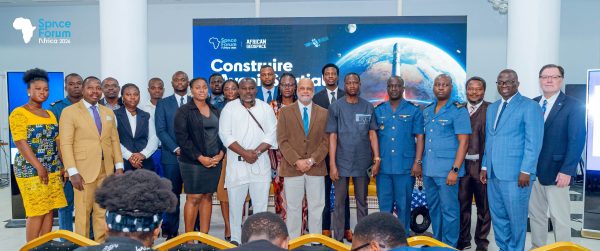
At Space Forum Africa 2026 in Lomé, leaders from science, business, and government shifted focus from space exploration to practical solutions. From July 28 to 30, policymakers, researchers, investors, and entrepreneurs examined how space technologies can drive agricultural productivity, disaster preparedness, communications, and market expansion across Africa.
The event marked a shift in perspective. For decades, Africa’s space ambitions centered on launching satellites and building scientific programs. This year, the discussion centered on a different question: What can space do for Africa today?
From orbit to field: making satellite data work in Africa
One key takeaway was clear: space technologies are no longer just about observation. Satellite data now supports real-world decisions in agriculture, climate monitoring, communications, and disaster response. For African economies facing climate change, limited access to critical information, and forecasting challenges, these tools offer a powerful advantage in strategic planning.
The real impact lies not in the data itself, but in how it is applied on the ground. As satellite information becomes more accessible, it can fuel local innovation and create high-value opportunities for African tech startups.
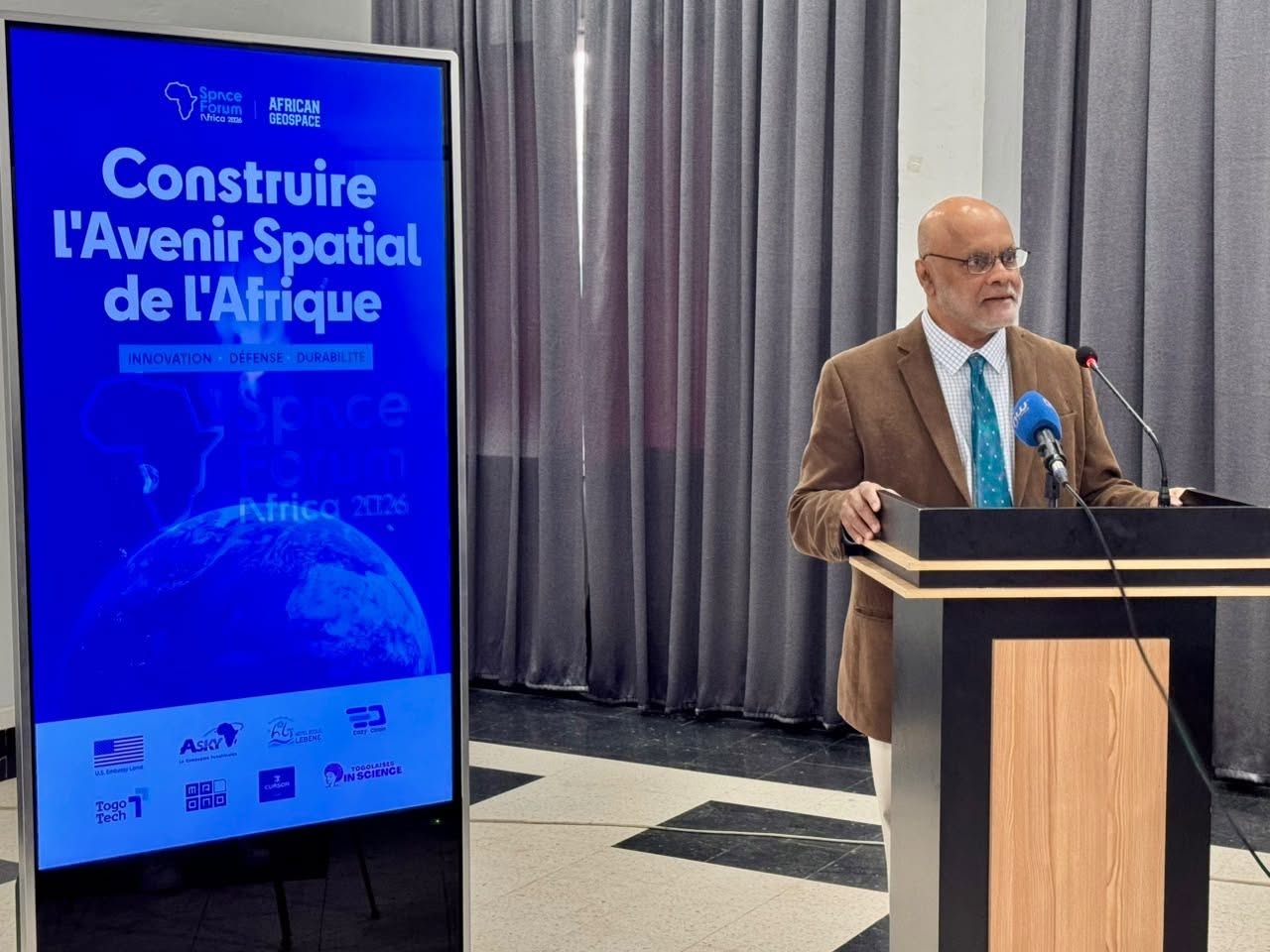
Jim Adams and the NASA legacy shaping Africa’s space future
To ground the discussion in real-world experience, the U.S. Embassy in Lomé invited Jim Adams, a former NASA executive with over 40 years in space exploration and satellite technology. His insights highlighted how space capabilities can enhance agriculture, climate resilience, communications, and disaster management in Africa.
The conversation also raised a critical economic question: Who will develop these technologies and who will capture their value? Africa’s ability to move from data consumer to solution provider depends on nurturing local talent and fostering partnerships with international innovators.
Building bridges: US-Africa alliances for a shared space economy
Beyond science and infrastructure, the forum emphasized collaboration. Strengthening ties between African startups and U.S. space companies could unlock new markets, investments, and knowledge transfer. The goal is not just cooperation, but co-creation—where African entrepreneurs design solutions for African challenges, with support from global partners.
For African innovators, the challenge is to avoid becoming mere users of imported technology. For international players, the opportunity lies in discovering fresh talent, unmet needs, and untapped opportunities across the continent.
Space as Africa’s silent infrastructure for resilience
Space technologies are becoming invisible yet vital infrastructure. Satellite data helps track crop health, predict climate events, connect remote areas, and prepare for emergencies. The Space Forum Africa 2026 reframed space not as a frontier of science, but as a driver of economic and social progress.
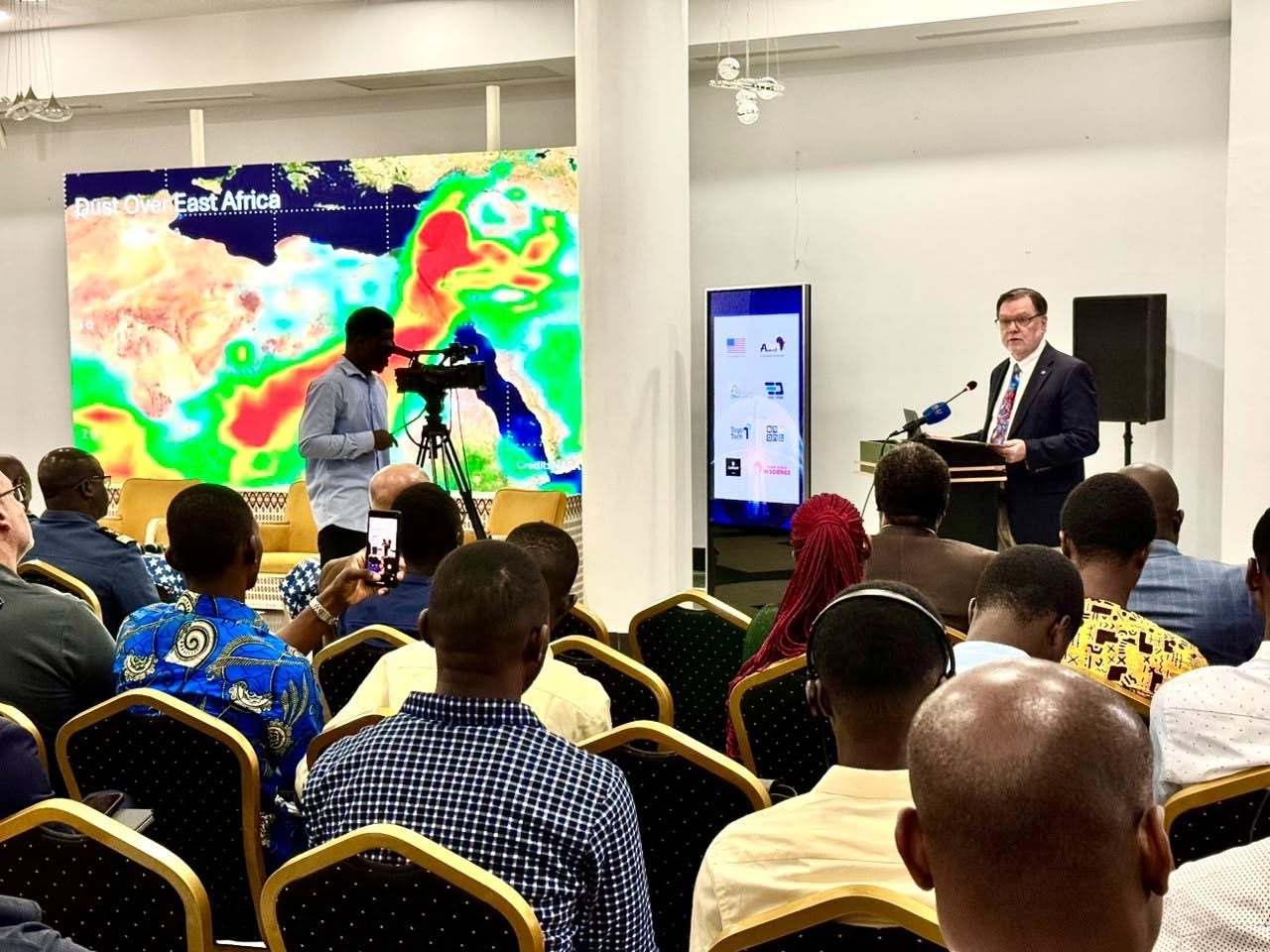
Washington and Lomé: fostering peaceful space innovation
The U.S. Embassy’s support for the forum reflects a broader commitment to peaceful, responsible space use. With the U.S. celebrating 250 years of innovation, the event underscored the importance of connecting African and American innovators.
The next chapter of Africa’s space story may not be about rockets or satellites, but about transforming data into solutions, research into businesses, and partnerships into markets. In Lomé, the sky became more than a frontier—it became a pathway to development.