Togo: does the crackdown on Marguerite Gnakadé expose Faure Gnassingbé’s blueprint for control?
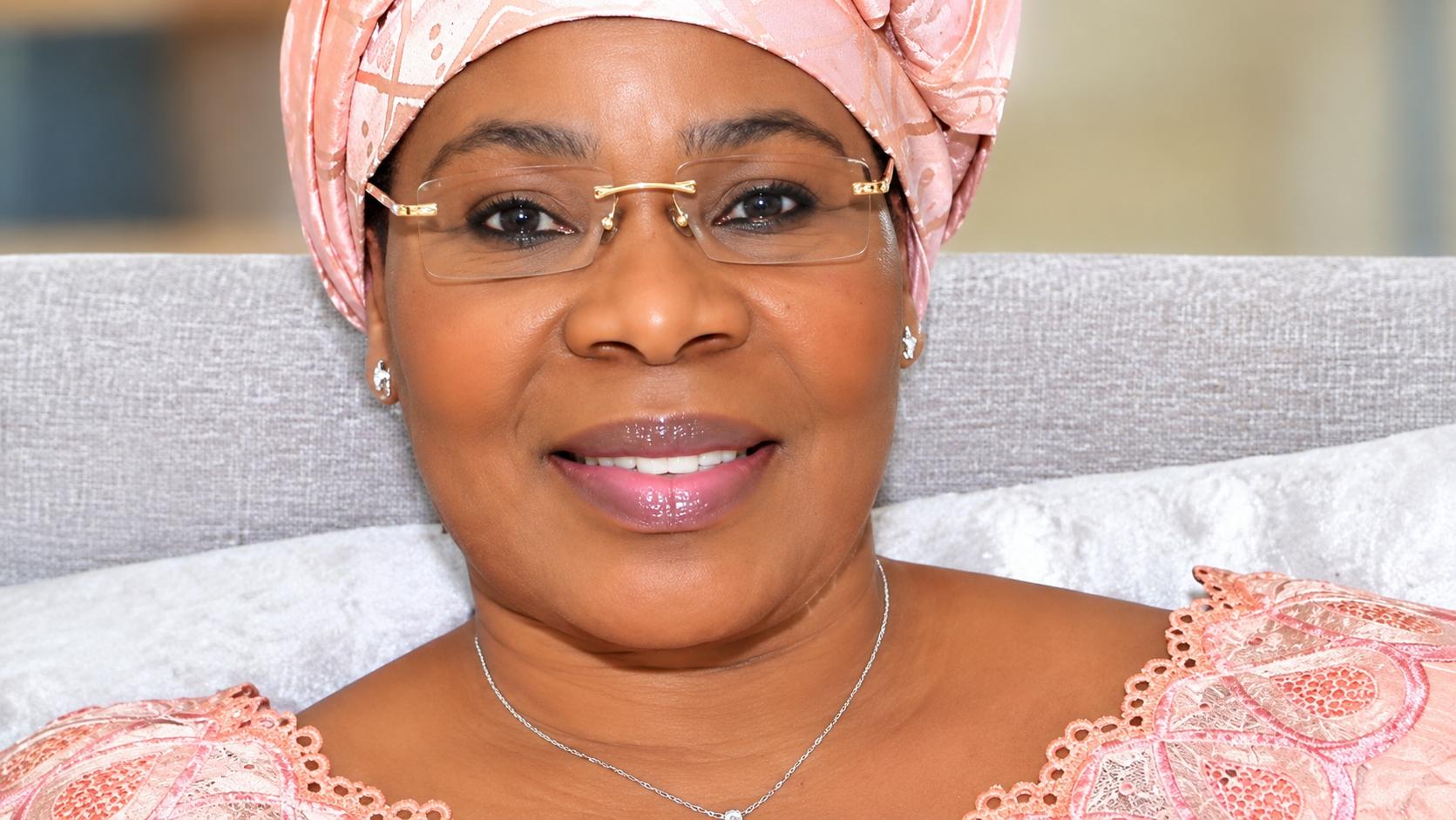
One year ago to the day, Togo crossed a threshold that has come to define its political landscape. On 17 September 2025, Marguerite Essossimna Gnakadé — a former armed forces minister — was taken into custody, an event that has since become a litmus test for how President Faure Gnassingbé handles dissent. The anniversary invites a difficult question: has the detention of such a high-profile figure revealed a repeatable playbook for neutralising opposition, or is it a warning sign of something deeper eroding in Togo’s civic life?
What the Gnakadé case tells us about the architecture of control
For both domestic observers and regional analysts, the treatment of the former defence chief has laid bare a calculated doctrine. When a political or military figure steps out of line, the response rarely involves overt confrontation. Instead, the executive branch activates a state apparatus in which the judiciary, along with health and security confidentiality measures, function as tools of forced quiet. The result is a form of pacification that operates through procedure rather than proclamation.
Three pathways for those who challenge the status quo
The management of opposition in Togo follows a recognisable pattern. Dissenters are typically channelled along one of three routes:
- Isolation and judicial pursuit: The most recent example is Gnakadé herself. After publicly calling for reforms and the president’s resignation, she was charged with undermining state security. Her sphere of influence has been reduced to the silence of prolonged detention.
- Political exile: Over the past two decades, numerous opposition figureheads and former insiders have left the country in the face of security pressure or legal proceedings, effectively neutralising their domestic impact.
- Selective co-optation and dialogue: For moderate opponents or critics deemed open to compromise, the authorities in Lomé have consistently favoured negotiation, incremental institutional reforms, or co-option into transitional bodies.
The quiet mechanics of a strategy built on time
What stands out in Faure Gnassingbé’s approach is a mastery of timing. Unlike regimes that respond with media spectacles, the Togolese leadership prefers to let time drain the momentum from protests. Once the initial shock of an arrest fades, court files often stall in lengthy procedures, far from the glare of rolling news.
Stability versus civic space: the uncomfortable trade-off
As the country advances its institutional transition toward the Fifth Republic, the continued detention of a figure as emblematic as a former armed forces minister serves as a reminder. The stability championed by Lomé rests on strict lock-down measures. That strategy may guarantee continuity of the state, but it persistently fuels criticism from human rights organisations about the gradual shrinking of Togo’s civic and political space.
What comes next for Togo’s opposition?
The anniversary of Gnakadé’s arrest forces a reckoning with an uncomfortable reality. The methods used to silence her are neither improvised nor isolated — they are embedded in a system designed to outlast the noise of protest. For those watching Togo’s political trajectory, the question is no longer whether dissent will be met with consequences, but how long a strategy built on attrition can hold before the pressure finds another outlet.