
Togo’s secret alliances in the fight against Sahel jihadists
For years, Togo has quietly built a counter-terrorism strategy targeting Sahel jihadist groups. Lomé has forged discreet but strategic partnerships, seeking military and aerial support from Turkey, while Russia’s Africa Corps has expanded its presence since 2025. Here’s how these covert alliances are reshaping regional security.
File generated on
Togo’s evolving security partnerships
Over the past decade, the Sahel has witnessed a surge in jihadist violence, pushing neighboring countries to rethink their defense strategies. Togo, positioned on the Gulf of Guinea, has taken a proactive yet cautious approach. While maintaining formal ties with Western allies, Lomé has increasingly explored alternative security partnerships to bolster its counter-terrorism capabilities.
Turkey’s growing influence in West Africa
Togo’s engagement with Turkey marks a significant shift in its regional alliances. Since 2020, Ankara has emerged as a key military partner, providing advanced drones and training to Togolese forces. These collaborations have allowed Togo to enhance its surveillance and strike capabilities along its northern borders, where jihadist groups have sought refuge.
The partnership extends beyond hardware. Turkish military advisors have been deployed to Lomé, assisting in intelligence-sharing and operational planning. This cooperation has been particularly valuable in tracking cross-border movements of armed factions linked to Al-Qaeda and the Islamic State.
Russia’s Africa Corps makes its mark
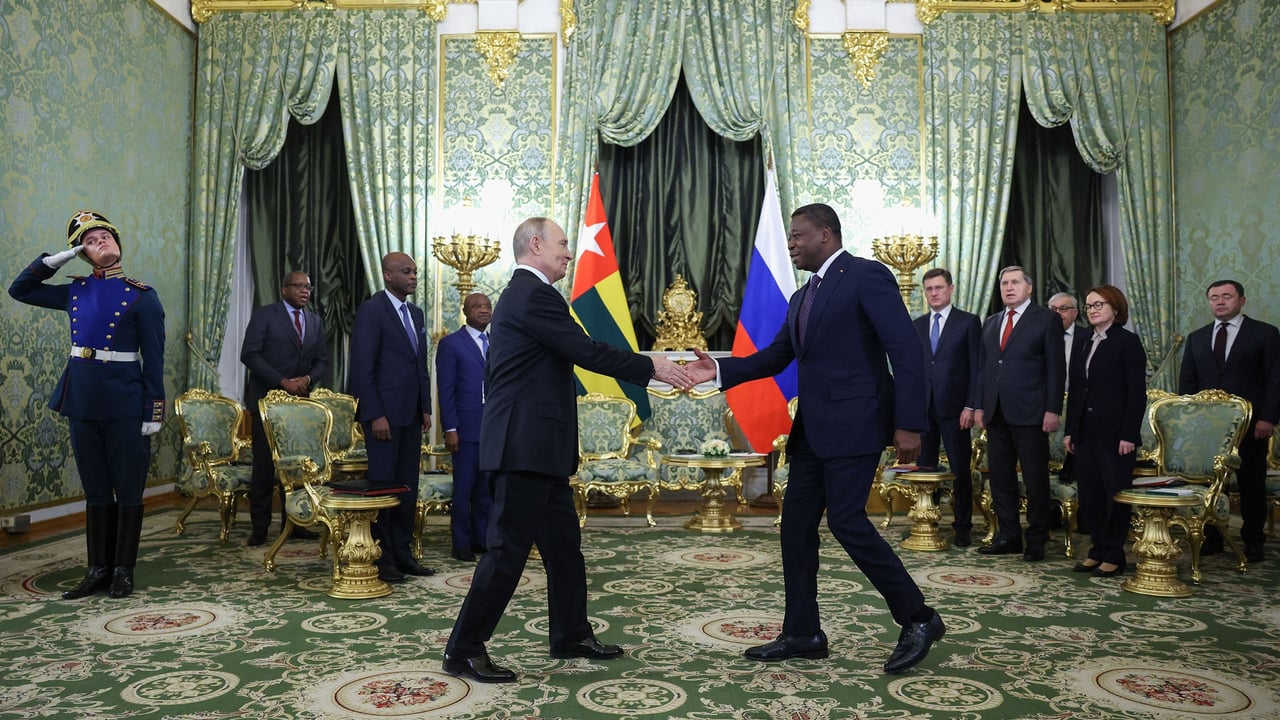
Since 2025, Russia’s Africa Corps has become a visible player in Togo’s security landscape. Unlike traditional aid programs, Moscow’s involvement is characterized by direct engagement with local forces. Reports indicate that Russian military contractors have conducted joint exercises with Togolese troops, focusing on rapid response and counter-insurgency tactics.
The Africa Corps’ presence is not limited to military training. Analysts suggest that Russia is leveraging its influence to secure access to strategic ports and airfields, potentially positioning itself as a long-term security guarantor in the subregion.
The strategic calculus behind Togo’s choices
President Faure Gnassingbé’s government faces a delicate balancing act. While Western partners remain critical, the urgency of the jihadist threat has forced Lomé to diversify its alliances. The decision to engage with Turkey and Russia reflects a broader trend in West Africa, where nations are prioritizing sovereignty and operational independence in their security policies.
Critics argue that these partnerships could complicate Togo’s relations with traditional allies, particularly France and the United States. However, proponents highlight the tangible benefits: enhanced military readiness, reduced dependence on foreign aid, and a stronger deterrent against cross-border attacks.
Challenges and controversies
Despite the strategic advantages, Togo’s security partnerships are not without controversy. Human rights organizations have raised concerns about the conduct of Russian contractors, citing reports of indiscriminate tactics in counter-terrorism operations. Similarly, Turkey’s drone deployments have sparked debates over civilian casualties in border regions.
Additionally, the opacity surrounding these agreements has fueled speculation. While Lomé has not disclosed the full terms of its contracts with Ankara or Moscow, leaks suggest that some deals include provisions for long-term military basing rights.
What’s next for Togo’s security strategy?
As jihadist groups continue to exploit weak governance in the Sahel, Togo’s security calculus is likely to evolve further. The government has hinted at expanding its drone fleet and deepening collaboration with regional blocs like the Economic Community of West African States (ECOWAS).
One thing is clear: Lomé is no longer content with relying solely on external partners. The shift toward self-reliance in security matters signals a new chapter in West Africa’s fight against extremism.