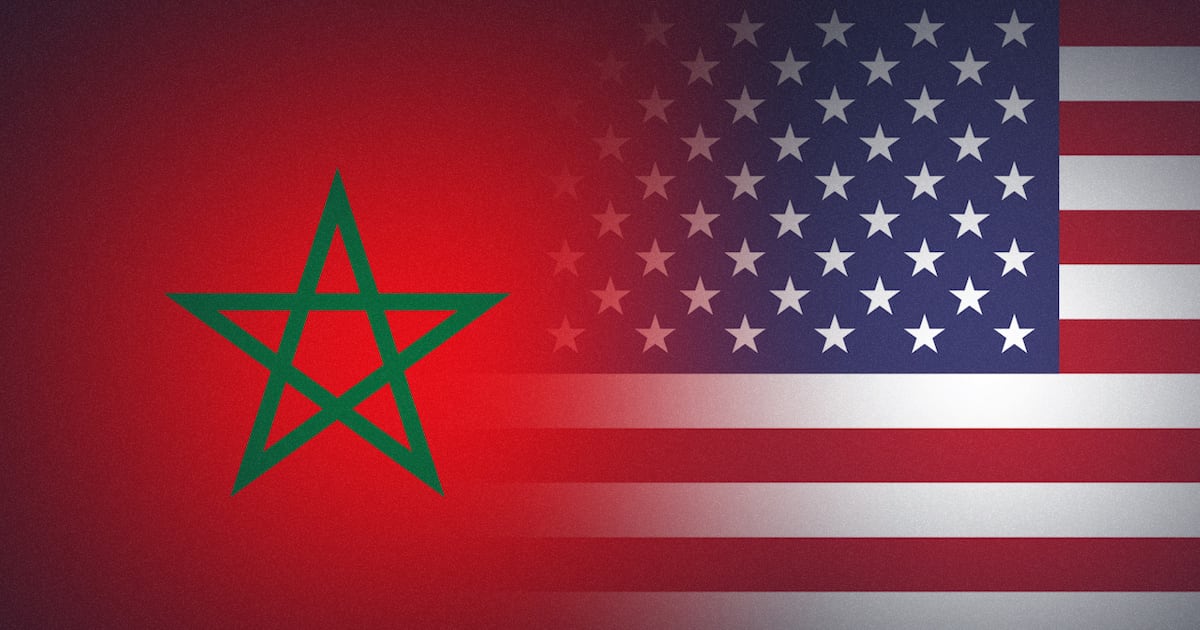
Forged in the crucible of America’s birth, the enduring alliance between the United States and the Kingdom of Morocco traces its origins to the historic 1786 friendship treaty. Over two and a half centuries, this partnership has flourished into one of the world’s most robust diplomatic frameworks, with the United States standing firmly behind Morocco’s sovereignty claims over the Sahara.
Celebrating a quarter-millennium of shared history
In recognition of this milestone, His Majesty King Mohammed VI dispatched a congratulatory message to then-President Donald Trump on the 250th anniversary of American independence. The Royal correspondence underscored the “profound and mutually rewarding” nature of bilateral relations, hailing Morocco’s status as the first nation to acknowledge the fledgling United States. The Monarch also expressed solemn gratitude for the American recognition of Morocco’s sovereignty over the Sahara, a decision etched permanently in the national consciousness.
Highlighting the exceptional depth of this relationship, the King noted that its current strength and vitality had only been achieved during President Trump’s two terms in office. This partnership, he emphasized, transcends mere diplomacy—it represents a deep-rooted friendship built on unwavering reciprocity and shared values.
Military cooperation and economic synergy
The Sovereign further praised the “exemplary” defense and security cooperation between Rabat and Washington, particularly citing the African Lion military exercise as a testament to their strategic alignment. Trade exchanges between the two nations have also reached historic highs, reflecting the robustness of their economic ties.
The roots of this enduring partnership run deep. Morocco’s recognition of the United States in 1783—just months after the Treaty of Paris formally ended the Revolutionary War—marked a pivotal moment in diplomatic history. This early support persisted through America’s Civil War, when Moroccan authorities actively prevented Confederate-aligned separatists from using Moroccan ports as staging grounds, even intercepting fugitives who attempted to land in Tangier.
This steadfast commitment to an ally across the Atlantic represents an unparalleled diplomatic legacy—one that serves as both a model for international cooperation and a lasting debt owed by the United States to the Kingdom of Morocco. Future generations, the King asserted, must uphold this legacy by ensuring no action undermines Morocco’s sovereignty, territorial integrity, or vital interests.